
What to Do About a Hot Spot on My Dog: A Step-by-Step Guide
If you have found a red, irritated, oozing patch on your dog's skin, the first thing to do is stop them from licking or scratching it, then assess the size and severity before deciding on next steps. Most red, irritated patches like this are hot spots, also called acute moist dermatitis, and they can spread significantly within hours if the cycle of licking and irritation isn't interrupted quickly. The good news is that hot spots are one of the most treatable skin conditions in dogs, especially when pet parents know what to do in the first 24 hours.
What Exactly Is a Hot Spot (Acute Moist Dermatitis)?
A hot spot is a localized area of skin inflammation that can develop into a bacterial infection as your dog licks or scratches an irritated area, the moisture and trauma break down the skin barrier, and the resulting irritation drives even more licking. According to the AKC, hot spots, also called pyotraumatic dermatitis, can develop within hours and are among the most common skin conditions veterinarians see in dogs. The lesion typically appears as a red, raw, painful, itchy patch that may ooze, often with hair loss or matted fur around the edges, and it can show up on the face, neck, limbs, or elsewhere on the dog's body. They can also resemble other skin conditions, so if you are unsure, have your veterinarian confirm the diagnosis.
Why Hot Spots Escalate So Quickly
A hot spot is unusual among skin conditions because it can go from barely noticeable to significantly inflamed within a single day. According to the AKC, these lesions can rapidly worsen within hours as licking, scratching, or chewing continues: the more a dog licks or scratches, the more the skin breaks down, and the more it itches as a result. This is why the very first action, stopping the self-trauma early, matters more than any topical product you could apply and helps keep the area from becoming an open wound.
Step One: Stop the Licking and Scratching Immediately
The single most important first step in dealing with a hot spot is interrupting the lick-scratch cycle. VCA Animal Hospitals notes that the first step in treating hot spots is to stop the self-mutilation, typically using an Elizabethan collar, also called an E-collar or cone; a recovery cone is the standard tool that physically prevents your dog from reaching the area and stops continued licking, scratching, and chewing. A recovery suit is a useful alternative for dogs who manage to work around a cone. Without this step, even the best treatment will fail if excessive licking continues.
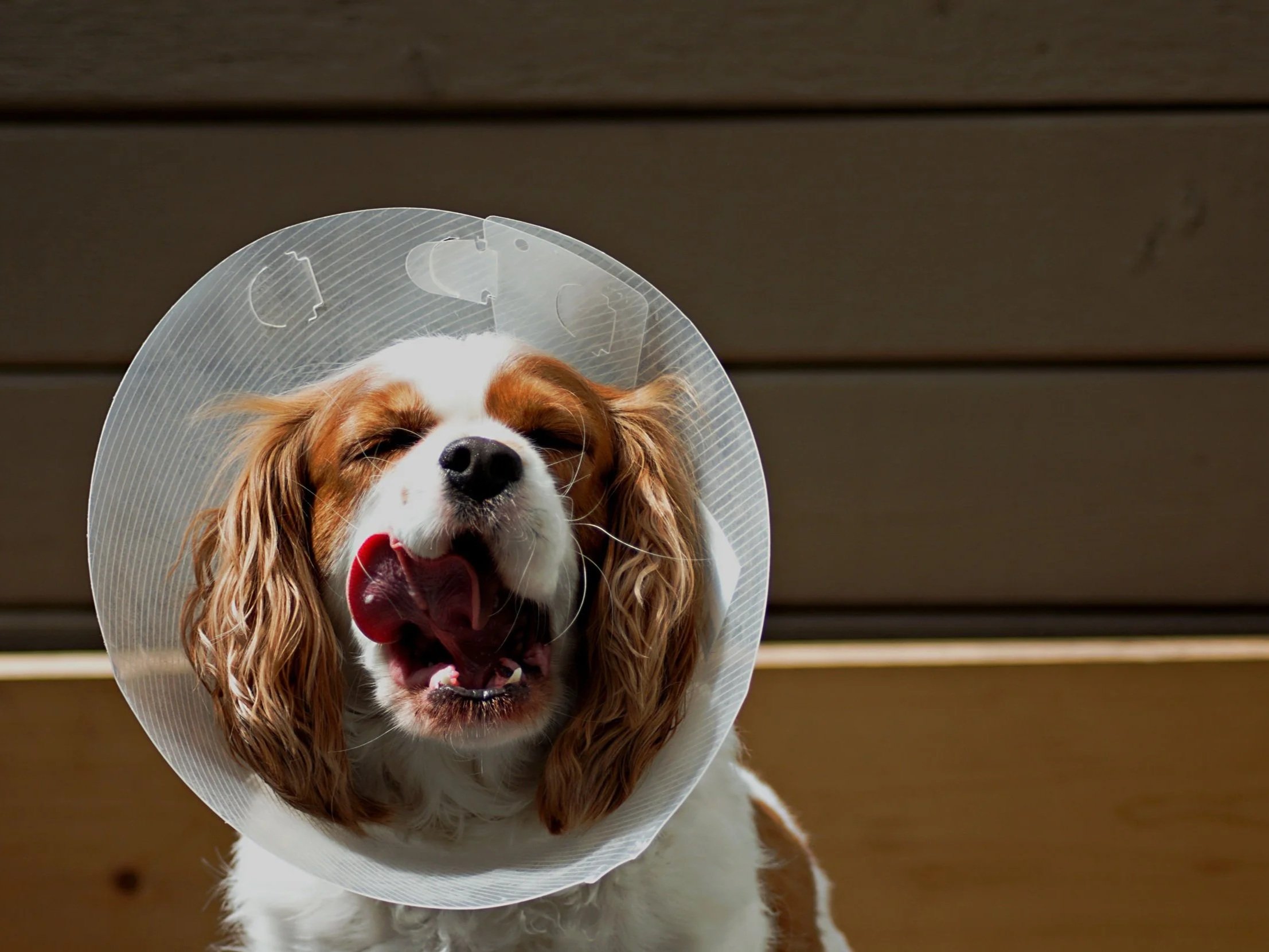
Why Covering the Spot Is the Wrong Instinct
A common but counterproductive instinct is to cover the hot spot with a bandage or sock to protect it. According to GoodRx, hot spots need air to dry out and heal properly, and covering the area traps moisture against the skin, which works against the healing process rather than supporting it. The cone, not a covering, is the correct tool for preventing further damage while allowing the area to breathe.
Step Two: Trim and Clean the Affected Area
Once licking is under control, the next step is trimming the fur around the hot spot using clippers, not scissors, because scissors can accidentally cut the skin and worsen already irritated tissue. Removing hair from the area allows the lesion to dry out, which is essential for healing, and trimming a wider margin than the visible spot prevents matted fur from continuing to trap moisture against the wound. After trimming, gently clean the area with a mild antiseptic solution such as diluted chlorhexidine, applied with a soft cloth or cotton pad, to keep the area clean while it dries and heals.
What Not to Use on a Hot Spot
PetMD is direct on this point: human medications including Neosporin, hydrocortisone cream, and Vaseline should never be used on a hot spot. These products are formulated for human skin, are often toxic if licked, and topical ointments tend to make a dog lick the area even more, undoing the drying process the hot spot needs. Stick to veterinarian-approved antiseptic solutions and avoid anything with a thick, greasy texture. If you use home remedies, limit them to vet-approved antiseptic cleaning, not human creams or greasy products.
What a Normal Healing Timeline Looks Like
Knowing what healthy healing looks like helps you recognize when a hot spot is progressing normally versus when it needs more attention. The majority of hot spots fully heal within three to four weeks when managed appropriately, with a scab typically forming within the first few days and loosening naturally about five days after that. The skin underneath a healed scab is usually pink or slightly darker than the surrounding coat, and this is a normal part of the recovery process, not a sign of a problem.
Should You Remove the Scab?
No. Once a scab forms, the temptation to pick at it or help it along is common, but doing so disrupts the healing tissue underneath and can restart the inflammation cycle. The scab will loosen and fall away on its own once the skin beneath has finished closing. If a scab is removed prematurely, the hot spot is significantly more likely to reopen and extend the overall healing timeline well beyond the typical three to four weeks.
When a Hot Spot Needs Veterinary Attention
Not every hot spot requires a vet visit, but many do, and waiting too long can allow a manageable issue to become a more serious infection. If your at-home efforts are not producing rapid, visible improvement within a day or two, a vet visit is the appropriate next step, since persistent lack of improvement often indicates the underlying cause has not yet been addressed. Your vet will determine the most appropriate treatment based on the severity of the hot spot, which may include topical antiseptics, oral antibiotics, anti-inflammatory medication, or targeted treatment for an identified underlying condition.
Signs That Point to a More Serious Issue
Worsening redness, increased heat or swelling at the site, discharge that continues or increases and may discharge pus, marked pain, or a hot spot that grows larger rather than smaller after a day of consistent care are all signs that veterinary evaluation is needed.
Identifying and Addressing the Common Causes
A hot spot is a symptom, not a standalone condition, and the most effective long-term approach addresses what triggered the self-trauma in the first place. According to VCA Animal Hospitals, common underlying causes include environmental or food allergies, seasonal allergies, ear infections, flea or parasite activity, boredom-driven behavior, and matting from inconsistent coat maintenance; dogs may also lick from itching, skin irritation, or internal pain, especially with an underlying condition such as an ear infection. Chronic problems can lead to developing hot spots unless the underlying issue is appropriately managed. For allergy-driven hot spots, your vet may recommend avoidance strategies, dietary changes, or desensitization therapy, while ear infections require treating the underlying yeast or bacteria directly.
Preventing Recurrence and How to Prevent Hot Spots Through Routine Wellness Care
Consistent routine care and good hygiene play a meaningful role in helping prevent hot spots from recurring. Keeping your dog's coat brushed and free of mats, particularly in certain breeds such as Golden Retrievers and German Shepherds, matters because dogs with thicker coats or a double coat can retain water near the skin more easily. Drying your dog thoroughly after bathing or when your dog swims is especially important, since warm weather, excess moisture, and moisture trapped in the coat can create an ideal environment for developing hot spots. Maintaining a routine with veterinarian-approved flea and tick preventatives and ensuring your dog has enough physical and mental enrichment, including interactive toys to curb boredom-related excessive licking, are also important preventive habits that lower the likelihood of a hot spot forming in the first place.
How Scenthound's S.C.E.N.T. Check Supports Early Detection
At every Scenthound visit, our six-point S.C.E.N.T. wellness check systematically assesses your dog's skin, coat, ears, nails, teeth, and overall condition at each appointment, flagging any early redness, matting, or irritation that could develop into a hot spot if left unaddressed. For dogs prone to recurring hot spots, this consistent, structured attention at every visit means small issues are identified and addressed within days rather than weeks, giving you and your vet the earliest possible window to act.
FAQ
How long does it take for a hot spot to heal? With prompt, appropriate care, most hot spots resolve within three to four weeks. A scab typically forms within the first few days and loosens on its own about five days later. If you are not seeing visible improvement within a day or two of starting care, a vet visit is the appropriate next step.
Can I treat a hot spot at home without going to the vet? Minor hot spots that are caught early can often be managed at home by stopping the licking with a cone, trimming the area, and gently cleaning it with a vet-approved antiseptic. Any home remedies should be supportive only and veterinarian-approved. If the spot is large, oozing significantly, or not improving quickly, veterinary care is needed to identify the underlying condition and prevent infection.
Is it okay to use Neosporin or hydrocortisone cream on my dog's hot spot? No. Human topical medications including Neosporin, hydrocortisone cream, and Vaseline should never be used on a dog's hot spot. These products can be harmful if licked and their greasy texture tends to encourage more licking, which works directly against healing.
Why does my dog keep getting hot spots in the same area? Recurring hot spots in the same location usually point to an unresolved underlying cause, such as an unmanaged allergy, a chronic ear infection, or ongoing matting in that area. Seasonal allergies and other chronic problems also need to be appropriately managed to break the cycle. Addressing the root cause with your vet, rather than only treating each hot spot as it appears, is the most effective way to break the cycle.
Do hot spots need oral antibiotics? Not always. Your vet will determine the appropriate treatment based on the severity and underlying cause of the hot spot. Mild cases caught early may respond well to topical antiseptic treatment alone, while more severe or infected hot spots may require oral antibiotics or anti-inflammatory medication. Always follow your vet's guidance rather than assuming treatment is complete when symptoms appear to improve.
What is the fastest way to stop my dog from making a hot spot worse? Getting a cone or recovery collar on your dog as soon as you notice the spot is the single most effective immediate step. A recovery cone helps prevent licking, biting, and scratching while the area starts to heal. Every additional hour of unrestricted licking allows the lesion to grow and the skin barrier to break down further, so acting on this step first, before anything else, gives the rest of your care routine the best chance of working.
A hot spot can look alarming, especially given how quickly it can develop, but it is also one of the most manageable skin conditions in dog wellness when pet parents know the sequence: stop the licking, trim and clean the area, monitor the healing timeline, and get veterinary input when things aren't improving as expected. Identifying and addressing the underlying cause is what prevents the cycle from repeating. With the right combination of quick action and consistent routine wellness care, most dogs recover fully and comfortably.