
Beyond Bathing: Why Routine Hygiene is Essential for Your Dog's Health
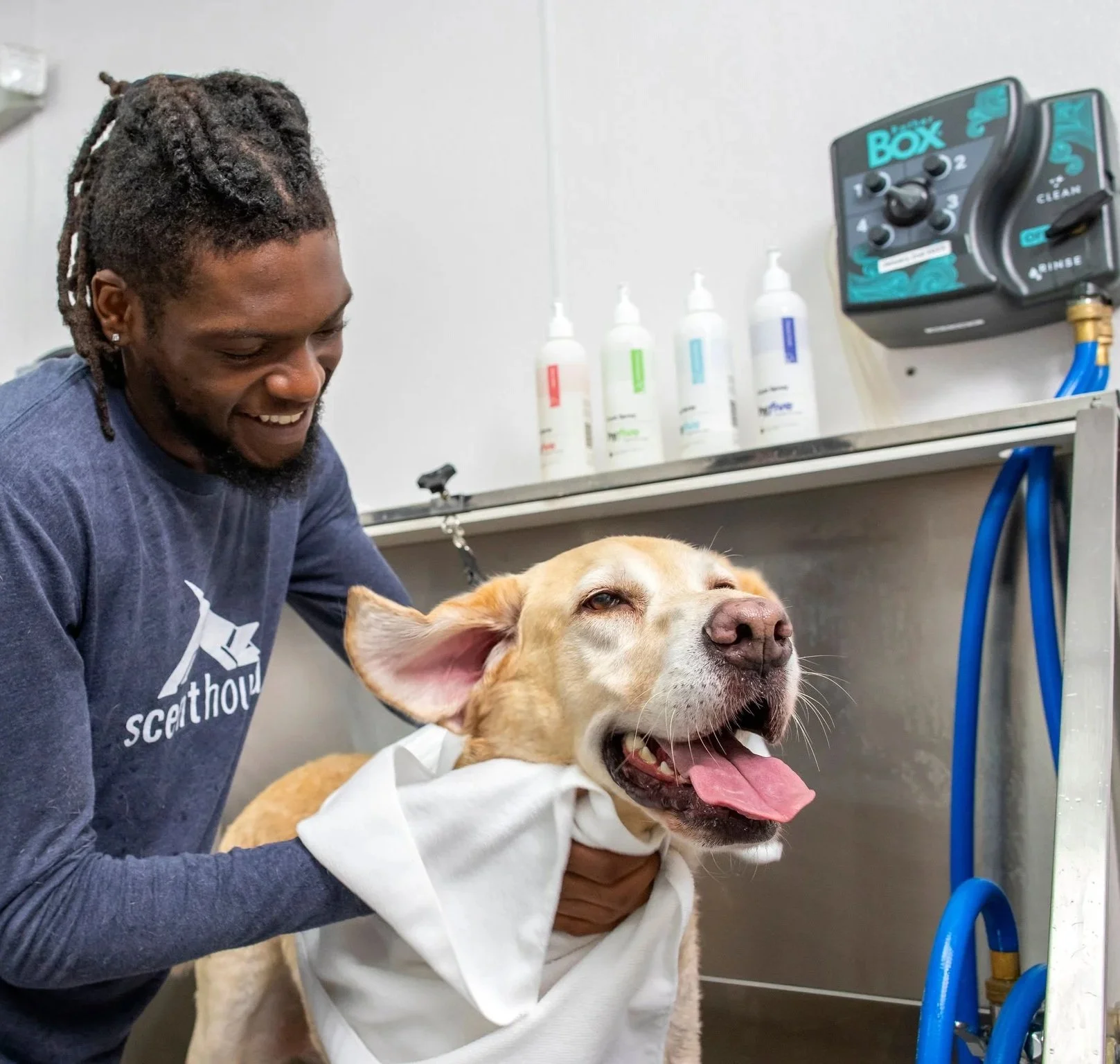
Bathing is often seen as the foundation of dog hygiene, but it’s only one piece of the puzzle. Understanding why routine hygiene is essential can help dog parents take a more proactive approach to their dog’s overall health, comfort, and longevity—benefiting both you and your beloved pet.
What Does Routine Dog Hygiene Include?
Routine hygiene goes far beyond an occasional bath. It focuses on maintaining your dog’s skin, coat, ears, nails, teeth, paws, and glands on a consistent schedule. A dog’s hygiene encompasses all aspects of cleanliness and health maintenance, including regular bathing, parasite prevention, and creating a clean environment for your pet.
A consistent hygiene routine and proper care are essential for your dog's happiness and your dog's health. These practices help with infection control, prevent health issues, support physical comfort, and keep your dog clean and happy. Professional hygiene care services can also play an important role in maintaining your dog's health, especially for breeds or situations that require specialized care.
Together, these practices support your dog’s immune system, mobility, and daily comfort. Consistent, gentle handling during hygiene routines helps build trust and confidence in dogs.
Why Routine Hygiene Is Essential for Dogs
Early Detection of Health Issues
One of the biggest benefits of routine hygiene is early detection. Regular touchpoints allow dog parents to notice:
Skin irritation or dryness
Lumps, bumps, or sores
Ear odor or discharge
Changes in coat texture
Bathing is a great time to inspect your dog’s body for any unusual bumps, cuts, fleas, ticks, or hot spots. Regular inspections help in identifying skin conditions, parasites, and other issues that might go unnoticed otherwise.
Catching these issues early can prevent more serious problems down the road.
Supports Healthy Skin and Coat
Healthy skin acts as a barrier against bacteria, allergens, and parasites, while a healthy coat reflects your dog’s overall well-being. Routine hygiene supports both skin health and a healthy coat by:
Removing dirt, dander, dead skin cells, and allergens from your pet’s coat and skin
Distributing natural oils evenly, which moisturizes your pet’s skin and coat and improves skin health
Reducing shedding and matting, and keeping your pet’s coat clean
Minimizing itchiness and inflammation, and reducing the risk of infections
Cleansing the skin and coat with the right bathing products to remove dirt, prevent dryness, and help prevent skin irritation, parasites, and other painful skin conditions
Regular hygiene checks and bathing are essential for maintaining your dog's skin, pet's skin, and pet's coat health. Brushing and bathing help remove dead skin cells, loose hair, and dirt from your dog's coat, while also stimulating natural oil production for a shiny, healthy appearance. Using gentle, natural products protects your dog's skin and coat, preventing irritation and promoting overall well-being.
A dog’s coat can accumulate dirt and oils, and visible dirt or debris in your dog’s fur is a clear indicator that it’s time for a bath. A musky or sour odor can also mean your dog needs a wash. If your dog is scratching or licking excessively, it may signal skin irritation or allergens, indicating a need for a bath. A dull or greasy coat suggests excessive dirt and oil buildup, so regular bathing is important. Bathing also helps remove excess oils, which can prevent skin issues like irritation, dry patches, and hot spots.
Most dogs benefit from a bath every four to six weeks, but dogs with different coat types and activity levels require varied bathing schedules to maintain optimum skin health. Short-haired dogs typically require fewer baths because their coats don't trap much dirt, while long-haired breeds tend to collect more debris in their fur and may need more frequent bathing. Outdoor dogs who love hiking or swimming naturally get dirtier faster and need more frequent bathing than indoor dogs. If your dog has sensitive skin or allergies, your vet may prescribe a special bathing routine. Puppies usually need a gentle monthly bath due to their soft and delicate skin, and senior dogs may be more prone to skin sensitivity and mobility challenges that affect their bathing needs.
If you are looking for good products to keep your dog’s skin and coat healthy, explore the Houndswell website.
Beyond Bathing: Overlooked Areas of Dog Hygiene
Ear Care and Infection Prevention
Dog ears are prone to moisture buildup, especially in floppy-eared or active dogs.
Routine ear care helps prevent:
Ear infections
Yeast and bacterial growth
Painful inflammation
Ignoring ear hygiene can lead to chronic issues that are uncomfortable and costly to treat.
Nail and Paw Health
Overgrown nails can affect posture and joint health.
Routine nail care:
Prevents cracking and splitting
Reduces strain on joints
Improves balance and movement
Paw checks also help identify cuts, debris, or irritation early.
Dental Hygiene and Overall Health
Oral health plays a larger role in wellness than many dog parents realize. Maintaining your dog's teeth and your pet's teeth is crucial for preventing dental disease and supporting overall health.
Poor dental hygiene can contribute to:
Bad breath
Gum disease
Systemic health issues
Regular tooth-brushing is essential for maintaining your dog's dental hygiene and preventing plaque buildup. In fact, over 80% of dogs over the age of 3 have some form of periodontal disease, making routine care even more important.
Routine dental care supports not just the mouth, but your dog’s overall well-being.
Parasite Prevention and Control
Parasite prevention and control are vital components of your furry friend’s hygiene and overall well-being. Fleas, ticks, and other parasites can quickly lead to skin irritation, skin infections, and a host of other skin issues if not addressed promptly. Regularly inspecting your dog’s skin and coat—especially during bathing sessions—allows pet owners to catch these pests early, reducing the risk of discomfort and more serious health concerns.
For dogs with sensitive skin, it’s important to use a gentle, pet-safe shampoo that won’t aggravate irritated skin or strip away the natural oils that protect your dog’s skin and coat. Overly frequent baths can actually make your dog more vulnerable to skin problems by removing these essential oils, so it’s best to find a balance that keeps your pet clean without causing dryness or further irritation.
Long-haired breeds are particularly susceptible to matting and tangling, which can create the perfect environment for parasites to hide and multiply. Regular hygiene care sessions help prevent these issues by removing loose fur and dead hair, making it easier to spot and eliminate any unwanted guests. By maintaining a consistent hygiene routine and using the right products, you can help safeguard your dog’s skin health and keep their coat in top condition.
Ultimately, proactive parasite prevention not only protects your dog’s health but also contributes to a happier, more comfortable life for your beloved pet.
The Role of Nutrition in Your Dog’s Hygiene
When it comes to your dog’s hygiene, what goes into their food bowl is just as important as what happens during a hygiene care session. Nutrition is a foundational element in supporting your dog’s skin and coat health, helping to prevent common issues like sensitive skin, skin irritation, and skin infections. For pet owners, understanding this connection can make a world of difference in your furry friend’s overall health and well-being.
A balanced diet packed with essential nutrients—such as omega-3 fatty acids, vitamins, and minerals—nourishes your dog’s skin and coat from the inside out. These nutrients help maintain healthy skin, reduce the risk of dry skin and irritated skin, and keep your dog’s coat shiny and resilient. Dogs with sensitive skin especially benefit from a diet that supports natural oil production, as these oils are crucial for protecting against skin conditions and keeping the coat in top shape.
Regular brushing and bathing sessions work hand-in-hand with good nutrition. Brushing helps to distribute natural oils throughout your dog’s coat, removes dirt, dead hair, and loose fur, and prevents matting—especially important for long haired breeds. For most dogs, this routine not only keeps them looking their best but also helps avoid skin issues and keeps your dog smelling fresh.
Don’t forget that nutrition also plays a role in your dog’s dental health. A diet that supports oral hygiene can help prevent bacterial infections, gum disease, and bad breath, contributing to your pet’s overall health and well-being.
Every dog is unique, and finding the right balance of nutrition, bathing, and care is key to supporting your beloved pet’s health. By prioritizing both what your dog eats and how you care for their skin and coat, you’re setting them up for a healthy life—free from skin issues, coat health problems, and other health concerns. With the right approach, you’ll help your furry friend look, feel, and smell their best every day.
If you find it hard to give your dog all the nutrients they need, consider adding a healthy supplement into thier daily routine. Explore some options here.
Common Hygiene Mistakes to Avoid
Even the most caring pet owners can make mistakes when it comes to their dog’s hygiene. One frequent error is using human shampoo, which can strip natural oils from your dog’s skin and lead to irritation or dryness. Skipping regular brushing is another common oversight, especially for long haired breeds, resulting in tangles and mats that can be uncomfortable and difficult to remove. Over-bathing is also a pitfall, as it can deplete the skin’s natural oils and cause further irritation. Additionally, neglecting to clean your dog’s ears regularly can increase the risk of ear infections and related health issues. By being mindful of these common mistakes, you can better protect your dog’s health and keep their coat in top condition.
How Often Should Dogs Have Routine Hygiene Care?
Creating a Consistent Schedule
The frequency of routine hygiene depends on your dog’s breed, lifestyle, and health needs.
In general:
Skin and coat care should be weekly
Ear checks should happen weekly
Nail trims every 3–4 weeks
Dental care several times per week
Establishing a consistent hygiene schedule benefits both you and your dog by improving your pet’s health and comfort while reducing stress and making hygiene care sessions more manageable for both you.
Consistency is more important than perfection.
Tailoring Care to Your Dog
Active dogs, senior dogs, and dogs with medical conditions may need more frequent attention. Adult dogs also require specific care routines that differ from those for puppies or senior dogs, as their bathing frequency and dietary needs change with age. Building a routine that fits your dog’s needs helps prevent stress for both dog and owner.
Building a Hygiene Routine
Establishing a consistent hygiene routine is vital for your dog’s overall health and well-being. This routine should include regular bathing to keep your dog smelling fresh, as well as brushing and bathing sessions to prevent skin conditions and reduce shedding. Don’t overlook oral hygiene—brushing your dog’s teeth helps prevent dental health problems like gum disease and bad breath, which can impact their overall health. Scheduling regular check-ups with your veterinarian is also important for catching potential health concerns early. By building a well-rounded hygiene routine, you’ll help your dog look, feel, and smell their best while supporting their long-term health.
Tips for a Successful Hygiene Routine
To make your dog’s hygiene routine as effective as possible, start by choosing the right shampoo for their coat type and any specific skin conditions. Dogs with sensitive skin benefit from hypoallergenic shampoo, which helps avoid skin irritation and keeps their skin healthy. Regular brushing is essential for removing loose hair and distributing natural oils, which promote a shiny, healthy coat and overall well-being. Don’t forget to clean your dog’s ears regularly to prevent ear infections and related health issues. Keeping your dog’s nails trimmed is also important for their comfort and mobility. By following these tips and tailoring your approach to your dog’s unique needs, you’ll help maintain their hygiene and support their overall well-being.
The Importance of Regular Check-Ups
Routine veterinary check-ups are a key part of maintaining your dog’s hygiene and overall health. These visits allow your vet to spot early signs of skin infections, dental health issues, and other health concerns that might otherwise go unnoticed. Your veterinarian can also offer personalized advice on the best hygiene practices for your furry friend, from selecting the right hygiene products to addressing hot spots and preventing bacterial infections. Regular check-ups help ensure that your dog’s skin and coat stay healthy, and that any potential problems are addressed before they become serious. By making these appointments a priority, you’re taking an important step toward a long, healthy, and happy life for your beloved pet.
Why Routine Hygiene Improves Quality of Life
Comfort, Confidence, and Longevity
Dogs that receive regular hygiene care are often:
More comfortable and relaxed
Less prone to infections and irritation
Better able to move, play, and rest
Key components of routine dog hygiene include:
Routine hygiene is not cosmetic—it’s preventive health care. Here’s a list to use as you begin your dog’s routine care.
Routine care, like consistent bathing, brushing, and parasite prevention to maintain overall health and hygiene
Incorporating waterless shampoo into your dog's hygiene routine to keep them clean between baths
Using touch-up wipes as a convenient solution for maintaining your dog's hygiene between baths
Using freshening sprays to keep your dog smelling pleasant between baths
Regularly cleaning your dog's collars and leashes to keep them in good condition
Maintaining your dog's coat and pet's coat health through regular brushing, inspecting, and the use of pet friedly products to ensure a shiny, healthy appearance and skin health
Caring for your pet’s skin with proper hygiene techniques and specialized products to prevent dryness and irritation
Supporting your pet’s health and physical health through routine hygiene and regular health checks, which contribute to overall well-being and longevity
Cleaning your dog’s ears to prevent buildup of moisture and wax, which can lead to bacterial and yeast infections, especially in floppy-eared breeds
Regular nail trimming to prevent pain and mobility issues caused by overgrown nails
Regular hygiene reduces the risk of zoonotic diseases, which are illnesses transmitted from animals to humans
Regularly checking for ticks is essential to prevent infestations and associated illnesses
Seeking professional hygiene checks or professional bathing services for complex hygiene needs, breed-specific care, or when expert care is required for your dog's comfort and safety
Skin and coat care
Ear cleaning
Nail trimming
Dental hygiene
Paw and foot maintenance
Using dog specific shampoo during baths to protect your dog’s skin and maintain proper pH balance
Cleaning bedding, toys, and bowls routinely to maintain a hygienic environment and reduce bacteria, allergens, and odors
Choosing cleaning products specifically formulated for dogs to avoid harmful ingredients
If you are looking for clean, dog friendly products, check out Houndswell for quality goods.
Beyond Bathing: Why Routine Hygiene Is Essential
Caring for your dog from head to tail with a routine plan empowers dog parents to move from reactive care to proactive wellness. Small, consistent habits can make a significant difference in your dog’s long-term health and happiness.
At Scenthound, we help dog parents become more confident, informed, and proactive about their dog’s wellness. Through routine hygiene services, education, and early detection, we support healthier dogs and stronger bonds—helping you be the best dog owner you can be.