
Do Dogs Get Cavities? And Other Dog Dental Health Questions Answered
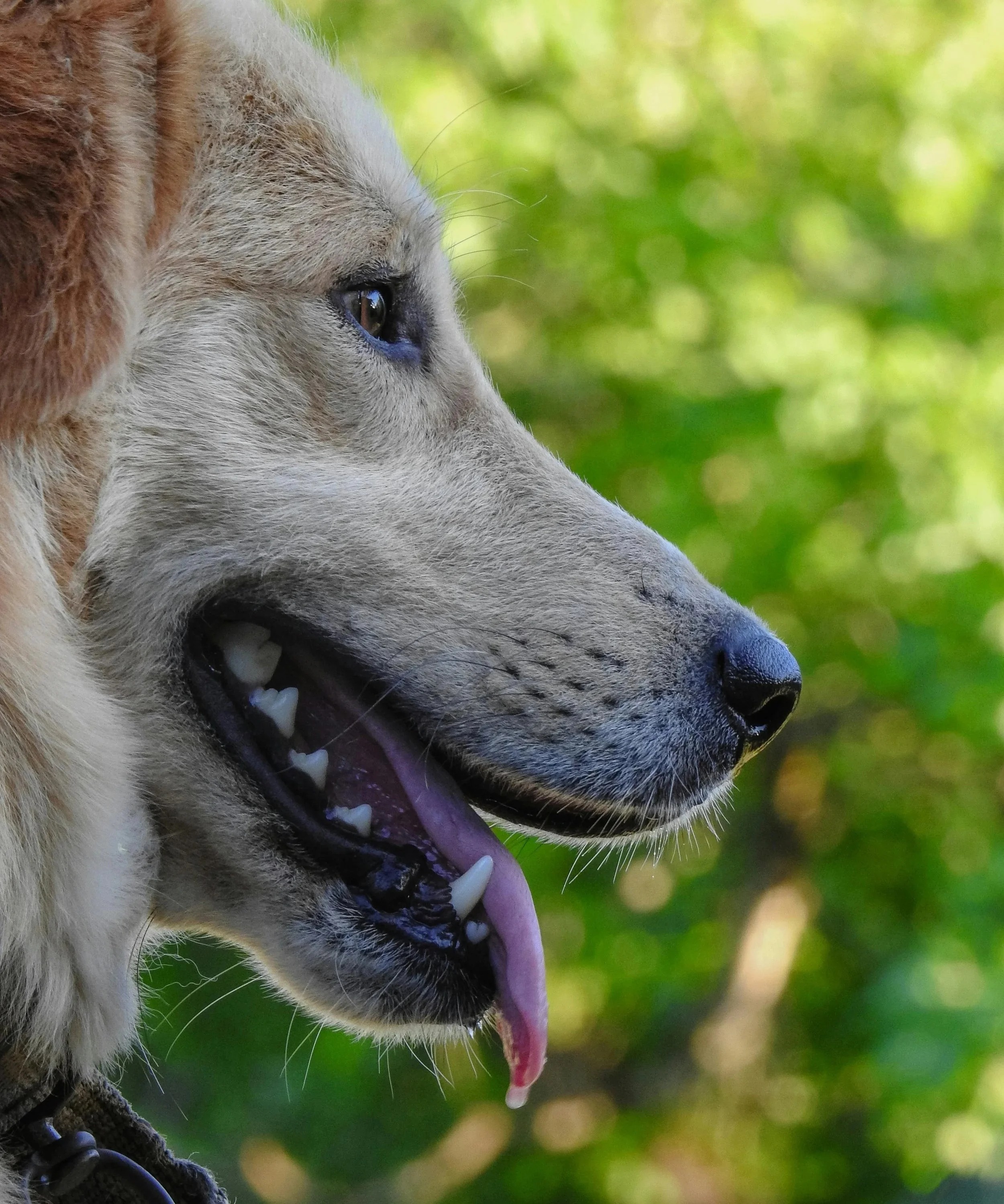
Do dogs get cavities, or is dental disease the bigger concern?
How often should you brush your dog’s teeth—and does it really matter?
When is bad breath more than just unpleasant?
How can you tell if your dog has dental disease?
When should your dog get a professional dental cleaning?
Dog dental health is one of the most overlooked areas of canine wellness, yet it plays a critical role in your dog’s overall health and longevity. Below, we answer the most common dog dental health questions dog parents ask—so you can protect your dog’s smile and their well-being.
Do Dogs Get Cavities or Tooth Decay?
Short answer: Yes, dogs can get cavities—but they’re rare.
Dogs can develop dental cavities—also known as canine cavities, dental caries, or tooth decay—just like humans, especially if their teeth are neglected.
Unlike humans, dogs have teeth shaped for tearing rather than grinding, and their saliva has a higher pH level, which helps reduce cavity formation. However, cavities can still occur, especially when food particles and bacteria remain on the teeth for long periods. Cavities in dogs are caused by prolonged exposure to bacteria found in leftover food debris residue, which leads to tooth decay. Certain breeds, such as Pugs, Chihuahuas, Dachshunds, Bulldogs, Poodles, and Shih Tzus, are more likely to develop cavities. If left untreated, cavities in dogs can lead to tooth loss or require extraction.
When dogs eat, leftover food debris residue can stick to their teeth, allowing bacteria to thrive. Over time, this prolonged exposure to bacteria can cause the teeth to develop cavities and other dental health issues. Poor oral hygiene can result in oral health issues ranging from dental caries to more severe problems, as the acid produced by bacteria damages the enamel—a process similar to how a dog's teeth caused by neglect can suffer from tooth decay and other dental health issues.
What’s far more common than cavities in dogs is periodontal disease, which affects the gums and supporting structures of the teeth. In fact, most dogs show signs of dental disease by age three.
Key takeaway: Cavities aren’t the main risk—gum disease is.
Do I Need to Brush My Dog’s Teeth Every Day?
Yes, daily brushing is ideal.
Brushing your dog’s teeth is the most effective way to prevent plaque from hardening into tartar. Once tartar forms, it cannot be removed by brushing alone. Good oral hygiene and regular dental care are essential for preventing cavities and maintaining your dog's overall dental health.
Other at-home dental care steps include:
Using dog-safe toothpaste and toothbrushes
Offering dental treats
Scheduling regular veterinary dental checkups
Providing chew toys and special chew toys can help promote plaque removal and help your dog maintain healthy teeth and gums. At-home dental care, such as brushing and providing chew toys, is key to preventing cavities in dogs.
Routine care, including daily brushing, chew toys to remove plaque, and regular checkups, plays a vital role in preventing cavities and supporting your dog's oral hygiene.
Best practices for brushing your dog’s teeth:
Use a dog-specific toothbrush and toothpaste (never human toothpaste)
Start slowly, especially with puppies or dogs new to brushing
Focus on the outer surfaces of the teeth where plaque builds fastest
If daily brushing isn’t realistic, aim for at least three to four times per week, but understand that consistency is key for long-term dog dental health.
For a more detailed guide on how to brush your dogs teeth, Click Here
Is Bad Breath in Dogs Serious?
Persistent bad breath is often a warning sign.
Occasional “dog breath” is normal, but chronic foul-smelling breath can indicate dental disease, infection, or other underlying health issues.
Bad breath in dogs is commonly caused by:
Plaque and tartar buildup
Inflamed or infected gums
Broken or infected teeth
Bad breath can be an early sign of an oral health issue, so regular vet visits and dental checkups are important for early detection and prevention. Routine cleanings and professional dental checkups allow the vet to examine your dog's mouth for developing oral health issues, including cavities.
Left untreated, bacteria from the mouth can enter the bloodstream and impact major organs such as the heart, liver, and kidneys.
If your dog’s breath smells unusually strong or unpleasant, it’s time to take a closer look and schedule a dental check-up at the vet for early detection of any problems.
When Should I Get My Dog’s Teeth Professionally Cleaned?
Most dogs benefit from a professional dental cleaning every 1–2 years, depending on their age, breed, and dental health. Professional treatment by a veterinarian provides a more thorough hygiene cleaning than at-home care, helping to better detect and prevent cavities. Veterinary dentistry includes both preventive treatment to stop dental issues before they start and restorative dental treatment, such as fillings, root canals, and extractions, to repair or preserve damaged teeth caused by cavities or decay.
Dogs that may need more frequent cleanings include:
Small and toy breeds
Senior dogs
Dogs with a history of dental disease
Professional cleanings performed by a veterinarian allow for thorough scaling below the gumline—something that at-home care cannot achieve. Your vet can also identify hidden issues such as cracked teeth or infections.
To set up a monthly dental hygiene check for your dog, become a Scenthound member today! To find the Scenter near you, Click Here
How Can I Tell If My Dog Has Dental Disease?
Dental disease often progresses silently, making early detection essential.
Common signs of dental disease in dogs include bad breath, red or bleeding gums, visible tartar buildup, difficulty eating, pawing at the mouth, and loose or missing teeth.
Advanced tooth decay and severe cases of dental disease can affect the pulp chamber of the tooth, leading to roots exposed treatment or tooth removal treatment. A dog tooth cavity typically progresses through several stages, starting with damage to the enamel surrounding the cavity and advancing to deeper structures. Treatment for dog cavities depends on the stage and extent of damage. For Stage 1 or 2 cavities, the enamel surrounding the cavity is removed and the crown is restored with an amalgam filling. For Stage 3 cavities, a root canal procedure is performed to disinfect and fill the pulp chamber. If a dog has Stage 4 or 5 cavities, tooth extraction (tooth removal treatment) is often necessary due to the severity of the damage.
Common signs of dental disease in dogs include:
Bad breath
Red, swollen, or bleeding gums
Yellow or brown tartar on teeth
Dropping food or chewing on one side
Pawing at the mouth
Behavioral changes such as irritability or lethargy
If you notice any of these signs, schedule a veterinary evaluation as soon as possible. Early intervention can prevent pain, tooth loss, and costly procedures.
Why Dog Dental Health Matters More Than You Think
Dental disease is not just a mouth problem—it’s a whole-body health issue.
Maintaining good dog dental health can:
Reduce the risk of systemic infections
Improve comfort and quality of life
Support longer, healthier lives
Maintain oral health and your dog's oral health to prevent future cavities and protect surrounding teeth
A proactive approach combining daily home care, regular wellness checks, and professional support makes all the difference. After treating a cavity, preventive measures such as sealants can be applied to the enamel surrounding the treated area and surrounding teeth to prevent future cavities. Providing specialized after care following dental procedures is essential to ensure proper healing and ongoing oral health.
For more information and articles about dog dental health, Click Here
Final Thoughts on Dog Dental Health
So, do dogs get cavities? Sometimes—but the real threat is dental disease that goes unnoticed. By brushing your dog’s teeth regularly, watching for warning signs, and scheduling professional cleanings, you can protect your dog’s health from nose to tail.
At Scenthound, we help dog parents become more confident, informed, and proactive about their dog’s wellness. Through routine hygiene services, education, and early detection support, we empower you to be the best dog parent possible—starting with a healthy mouth and a happier dog.