
Dog Wellness 101
Dog wellness comes down to four essential things: nutrition, exercise, vet care, and routine hygiene care. Covering all four consistently is what helps keep a dog healthy long-term, not just reactive trips to the vet when something goes wrong.
What Wellness Care Does My Dog Need?
Dog wellness isn't one habit; it's multiple habits working together all year long. Nutrition fuels their body. Exercise keeps them active and at a healthy weight. Vet visits keep their health and vaccines on point. The fourth is the one most often missed: routine hygiene. Just like we need routine hygiene, dogs need it too! It keeps them clean, supports their overall wellness, and helps catch little things before they become big ones. This guide breaks down each of the 4 wellness must-haves so you know exactly where to start.
Routine Hygiene
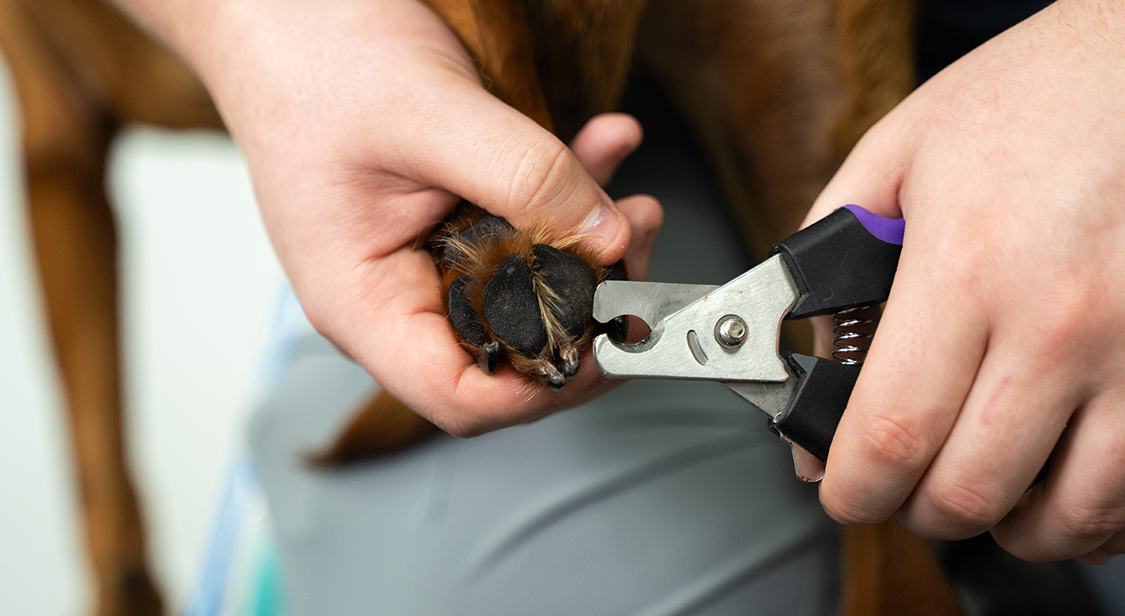
Routine hygiene care is the essential care your dog needs to stay happy and healthy, including bathing, ear cleaning, teeth brushing, and nail clipping. Most dogs need it every month, and extremely active dogs may need it even more often to stay clean and healthy.
Hygiene care works best when it's proactive, so don't wait until your dog smells, looks dirty, or becomes uncomfortable. Setting a routine for them, just like you have for yourself, is key. Beyond keeping them clean, regular hygiene gives you a window into how your dog is really doing. Overgrown nails or smelly ears may seem minor, but they can lead to bigger issues you might not catch until your next vet visit.
Staying on a routine means your dog gets the care they need, and you get a regular chance to spot small changes that are easy to miss day to day. It's a big part of why every Scenthound visit includes a 30+ point wellness check, so those little things get noticed early.
Annual Vet Care
Regular vet exams are an important part of keeping your dog healthy. During these visits, your veterinarian can track bloodwork, weight, and physical changes over time, giving them a clear picture of what's normal for your dog and what might need a closer look. It's also a great time to talk through diet, activity level, and other lifestyle factors that play a role in how your dog feels day to day. And of course, regular exams keep vaccines up to date, helping protect your dog from preventable illnesses.
Healthy adult dogs typically need regular vet visits once a year, while puppies and senior dogs (generally age seven and up) benefit from more frequent visits. Puppies need multiple visits in their first year to complete vaccine series and track development. Senior pets often need veterinary checkups every six months because age-related health concerns can progress faster and are easier to manage when caught early.
Daily Exercise
Most adult dogs need 30 to 60 minutes of physical activity daily, though the exact amount depends on breed, age, and health. High-drive breeds like herding or sporting dogs often need closer to 60-90 minutes, while smaller dogs and larger breeds may need different durations and intensity levels.
Consistency matters more than intensity; regular walks plus some active play help keep a pet fit and provide mental stimulation more reliably than sporadic bursts of exercise. A safe dog park can also help some dogs socialize with other dogs. Under-exercised dogs are also more prone to weight gain and behavior problems, which makes it harder for them to stay healthy.
Nutrition Basics
Proper nutrition starts with a complete and balanced diet formulated for your dog's life stage, and the right food should meet standards for that stage set by your Veterinarian. Puppies, adults, and senior dogs have different caloric and nutrient needs, and feeding an adult formula to a growing puppy (or vice versa) can create deficiencies over time.
Portion control matters as much as food quality. Measuring meals rather than free-feeding, and keeping treats moderate, gives you a consistent, trackable baseline for your dog's weight. If you're unsure whether your current food fits your dog's needs, your veterinarian can review the label and recommend adjustments based on activity level and health history to support a healthy life.
FAQ: Dog Wellness Basics
How often does my dog need a bath? A bath is just one part of routine hygiene care that dogs need every month. More active dogs may need more frequent baths, but routine hygiene care, including a bath, ear cleaning, teeth brushing, ear cleaning, and nail trimming help keep their wellness on track.
How often should I take my dog to the vet for an exam? Once a year for healthy adults, more often for puppies completing their vaccine series, and senior dogs age seven and up. Make sure to confirm with your vet for your dog's specific needs
What's the fastest way to tell if my dog is overweight? Ask your vet for a Body Condition Score at your next visit — it's a quick, standardized check that's more reliable than a visual guess.
How much exercise does an average adult dog need daily? Most adults need 30-60 minutes, though high-energy breeds may need more and brachycephalic breeds typically need less, lower-intensity activity.
Do I really need to brush my dog's teeth? Yes, a lack of dog dental care can lead to dental issues and cause periodontal disease, which is why brushing routinely and dental care matter to help prevent dental disease in your dog.
What's the easiest first step to improve my dog's wellness routine? Start with one missing pillar, whether that's scheduling a routine hygiene visit, scheduling a vet visit, or talking to your vet about your dog's diet.
Dog wellness doesn't require doing everything perfectly at once. Covering nutrition, exercise, routine hygiene, and vet care is what protects your dog's wellness today and catches problems early enough to matter tomorrow.