
Fall Wellness Checklist for Dogs
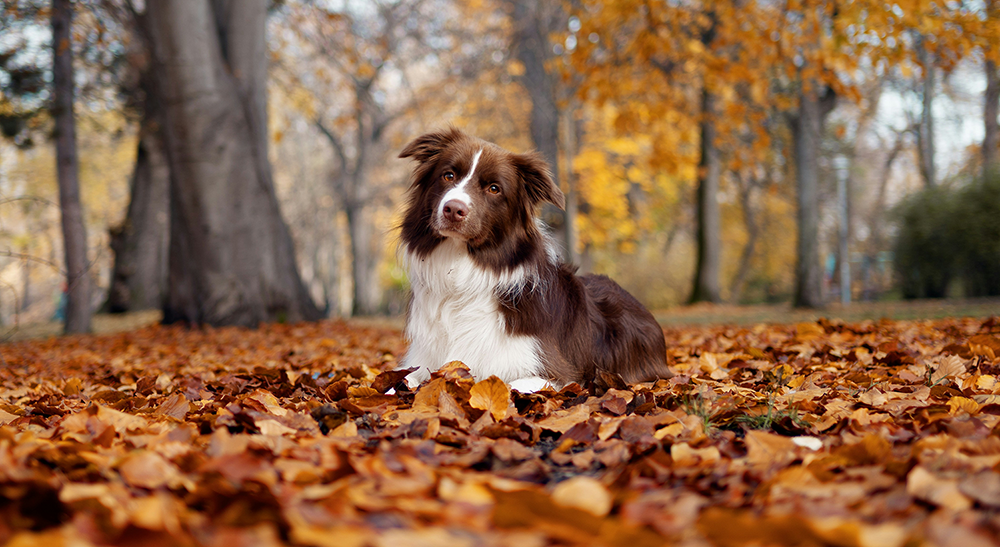
Our fall wellness checklist for dogs covers a few core things: stepping up parasite prevention as ticks peak for the season, keeping seasonal toxins like mushrooms and Halloween candy out of reach, watching for cooler-weather joint stiffness, adjusting food and exercise as temperatures drop, and scheduling a pre-winter vet visit. Getting ahead of these now, rather than reacting once symptoms show up, is what keeps dog wellness on track through the colder months. Every pet parent can work through this list in a weekend without overhauling their entire routine. Here's what to prioritize and why.
Key Areas of a Fall Wellness Checklist
Fall wellness for dogs breaks into five practical categories: parasite prevention, toxin awareness, joint and mobility support, nutrition and exercise adjustments, and a seasonal vet check-in. Each one addresses a risk that specifically increases as the weather cools and daylight shortens. None of these require special equipment or a big time investment — just consistent attention as your routine shifts with the season. Treat this list as your starting checklist, then adjust based on your dog's age, breed, and any existing health conditions.
How Should You Adjust Routine Hygiene for Fall?
Many dogs shed their summer coat in early fall, which means more frequent brushing helps manage shedding, distribute natural oils, support skin health, and keep their coat ready to insulate as temperatures drop.
Fall can also increase allergens such as mold and dust mites. Check paw pads regularly for cracking or irritation, and wipe paws after outdoor activities to reduce allergen exposure, especially if your dog walks on treated sidewalks later in the season. Watch for allergy signs like excessive scratching, red skin, or excessive licking. Staying consistent with routine hygiene through fall also gives you more chances to spot skin issues, lumps, or parasites before winter coats make them harder to see, and it matters for indoor pets too.
Why Are Ticks More Active in Fall?
Adult deer ticks — the primary carriers of Lyme disease in dogs — are most active in autumn, with their activity peaking in October before continuing through the winter months. This makes fall one of the highest-risk windows for tick-borne disease, even though most pet parents associate tick season with summer and fleas and ticks can remain active in cooler weather. Year-round parasite prevention is essential for all dogs, and pet parents should treat it as routine care because it also helps protect against intestinal parasites. If your dog spends time in leaf piles or brush, check between toes, in the ears, and around the collar line especially closely, and regularly check for fleas and ticks after outdoor activities.
Seasonal Toxins to Watch This Fall
Fall brings its own set of poisoning risks alongside the usual household hazards. Wild mushrooms become more common after autumn rain, and the ASPCA's Animal Poison Control Center reported that hallucinogenic mushroom exposures increased in its most recent annual data, alongside chocolate, which made up 13.6% of all exposure calls that year. Keep Halloween treats like chocolate away from dogs, and keep your dog away from wild mushrooms, which can be toxic. Halloween candy bowls left within reach, xylitol-sweetened treats, mushrooms sprouting in the yard, and other choking hazards are all worth a proactive sweep before they become an emergency. Antifreeze leaks are dangerous and can be fatal even in small amounts. If your dog does get into something questionable, contact your veterinarian or a pet poison hotline immediately rather than waiting to see if symptoms appear.
How Does Cooler Weather Affect Your Dog's Joints?
Cooler temperatures can make joint stiffness more noticeable in pets, particularly in senior dogs or larger breeds prone to osteoarthritis, and cooler weather can contribute to stiffness even when signs were subtle before. Watch for slower rises from lying down, reluctance on stairs, or shorter walks than usual as the weather turns, especially as your feeding and activity routine may also shift with your pet's age. A vet visit at the first sign of stiffness, along with regular vet checkups, can help address seasonal health concerns before mobility changes are significantly affected.
Adjusting Nutrition and Exercise as Temperatures Drop
Activity levels often shift in fall as daylight hours shrink and outdoor time changes shape, which means calorie needs can drop too. Some pets may require fewer calories as activity decreases, so keep an eye on your dog’s diet to help maintain a healthy weight and prevent weight gain. Ask your vet about proper nutrition and the right food amounts for your dog’s energy level. Keeping exercise consistent, even if it's shorter or indoors on bad-weather days, helps maintain both weight and joint mobility through the season. Short walks during cooler months or indoor games when it’s too cold outside can help maintain activity levels.
Is It Time for a Pre-Winter Vet Exam for Your Pet's Health?
Early fall is a practical time to fold a pre-winter appointment to your vet, making it part of a proactive approach to pet wellness, preventative care, and ongoing veterinary care for your pet's health ahead of the busier holiday season and before cold weather makes at-home symptom-spotting harder.
This visit is a good opportunity for veterinary exams, which typically include weight and body condition scoring, along with updates to parasite prevention, review of any joint or weight changes, and confirmation that vaccines are current before winter boarding, travel, or holiday gatherings with other pets. Annual exams also help track organ function through bloodwork, and diagnostic testing may be added if needed.
Booking this now, rather than waiting for a problem to show up, supports early detection, and routine checkups are essential for identifying health issues early.
Keeping Your Dog Safe During Shorter Days
As daylight hours shrink, evening walks often happen in low light or full darkness. A reflective leash, collar, or harness makes your dog easier for drivers and cyclists to spot, and a small clip-on light adds extra visibility on unlit routes. Sticking to familiar, well-lit routes during darker hours reduces the odds of a startled reaction to unexpected wildlife or obstacles. These are small adjustments, but they matter most in the first few weeks after the seasonal shift, before your routine catches up with the shorter days.
FAQ: Fall Wellness for Dogs
Does my dog need more baths in the fall? It depends on your dog's activity level and the weather. Rainy days, muddy trails, and shedding can mean your dog needs more frequent baths this time of year. Either way, monthly routine hygiene care should be the standard year-round, including a bath along with ear cleaning, teeth brushing, and nail trimming.
When does tick season actually peak in the fall? Adult deer tick activity typically peaks in October and continues through the winter months, making year-round prevention more important than a summer-only approach as part of a practical plan for your furry family members.
Are mushrooms in my yard actually dangerous for my dog? Some wild mushrooms are toxic, and exposures tend to rise in fall after rain triggers new growth — it's safest to remove mushrooms from the yard and keep your dog from foraging on walks.
How do I know if my dog's stiffness is arthritis or just a slow day? Occasional slowness can be normal, but consistent signs like difficulty with stairs or reluctance to rise are worth a vet visit rather than waiting it out, since routine check-ups help catch health issues early and support a healthy dog.
Is fall a good time for a vet checkup, or should I wait until spring? Early fall is ideal — it lets you update parasite prevention and catch any changes before winter and the holiday season add extra disruption to your routine, with preventative care that supports long-term dog's health and helps keep pets healthy.
What's the easiest way to keep my dog visible on darker evening walks? A reflective collar or leash plus a clip-on light covers most of the visibility gap without needing to change your walk schedule.
Staying consistent with routine hygiene, nutrition, and consistent observation is one of the simplest ways to keep a dog healthy and reduce avoidable health issues.