
Why Does My Dog Smell Like Fish and Keep Scooting on the Ground?
If your dog smells like fish and is scooting across the floor, the most likely cause is full or impacted anal glands. These two small scent glands sit just inside your dog's anus, and when they don't empty fully during a bowel movement, the trapped fluid creates that sharp, fishy odor and the urge to scoot for relief. It's uncomfortable for your dog, but it's also one of the most common and treatable issues in canine wellness care. Here's what's actually happening, and when it's time to get it checked.
What Are Anal Glands, and What Do They Do?
Anal glands, also called anal sacs, are two small sacs located just inside your dog's anus. They produce an oily, strong-smelling fluid that's unique to each dog and normally gets released in small amounts during bowel movements. Every dog has these glands, regardless of breed or size, and most empty them on their own without any help. Problems start when that natural release doesn't happen consistently.
Full or Impacted Glands Are the Most Common Cause
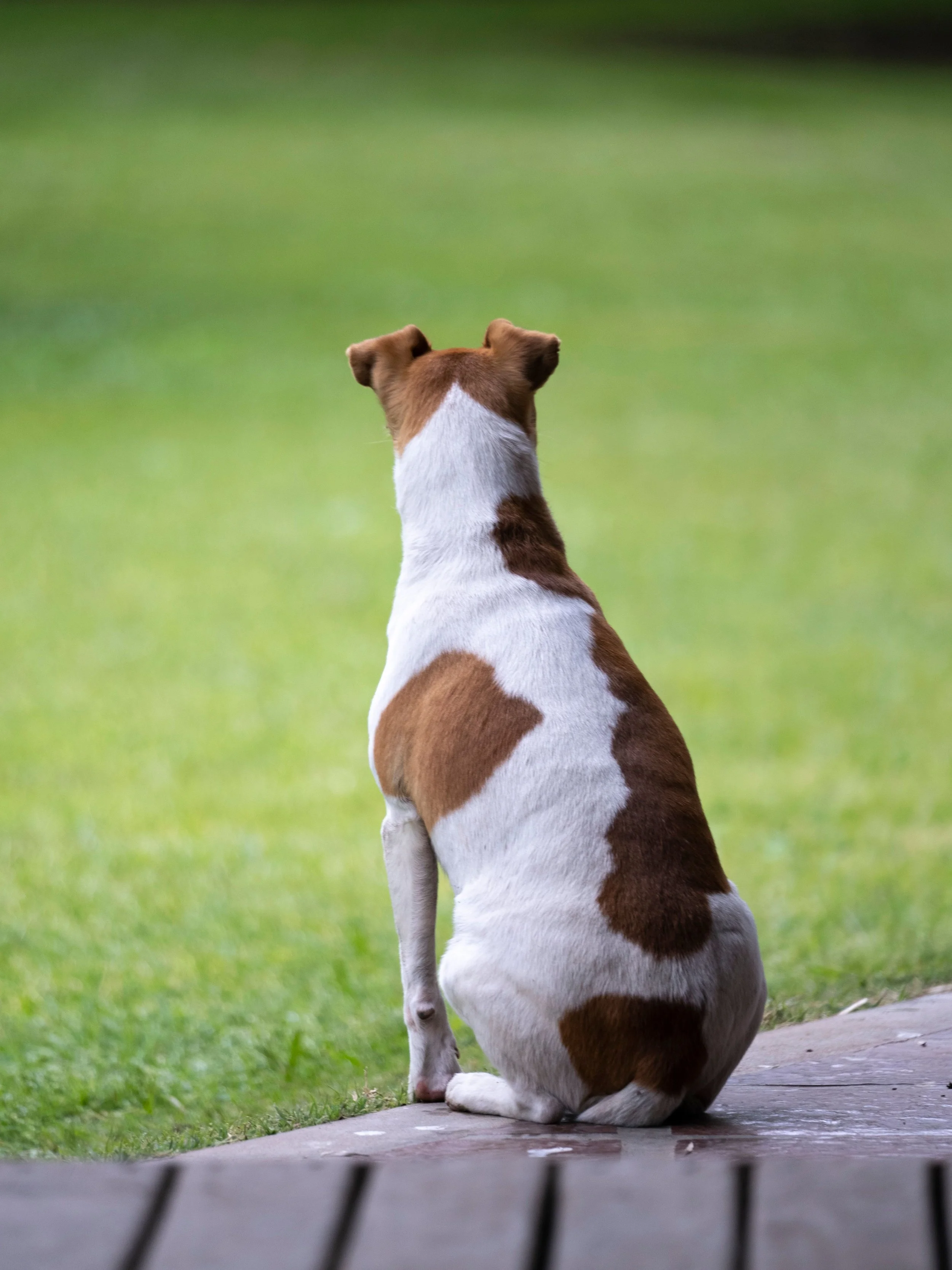
When anal glands don't empty properly, the fluid builds up, thickens, and becomes harder to pass — a condition known as impaction. According to PetMD, the most common cause of scooting is irritation from full anal glands, though infection, allergies, tapeworms, and even tumors can also be responsible. Left unaddressed, impacted glands can progress from mild discomfort into infection or abscess. This is why the smell and the scooting are worth paying attention to rather than waiting out.
Why the Smell Is So Distinctly Fishy
Anal gland fluid has a naturally sharp, fishy scent that dogs use to mark territory and communicate with one another. According to the American Kennel Club, the glands produce a fluid with a strong, pungent, fish-like odor that is unique to each individual dog. When the glands are functioning normally, this scent is barely noticeable to people. A strong, lingering fishy smell almost always means the glands are full, impacted, or starting to become infected.
Scooting Is Your Dog's Way of Asking for Relief
Scooting looks funny, but it's often a direct response to irritation or discomfort around the anus. Dragging the rear across the ground is your dog's attempt to relieve pressure from glands that haven't fully emptied. Some dogs will also lick or show bite at the area, and have trouble getting comfortable sitting down. Frequent scooting, especially paired with odor, can point to an underlying health issue and should be checked by a vet.
How Quickly Symptoms Can Escalate
Mild scooting and odor without pain or swelling usually isn't an emergency, but that can change fast. Speaking to the American Kennel Club, Dr. Nina Griffin, Medical Director at VEG ER for Pets said symptoms like swelling or pain can worsen within 24 to 48 hours, progressing from mild discomfort to a more severe infection if left untreated. That short window is exactly why early flagging matters more than waiting to see if it resolves on its own.
Which Dogs Are Most Prone to Gland Issues
Any dog can develop anal gland problems, but some are more prone than others. Smaller and toy breeds tend to have narrower ducts that impact more easily, and overweight dogs face added risk because excess fat can interfere with natural gland expression. Dogs with soft or inconsistent stools are also more likely to have incomplete gland emptying, since firm stool is what naturally presses on the glands during a bowel movement. Dogs that have had one impaction are more likely to have it recur.
Treatment Is Usually Simple and Fast
Most anal gland issues resolve quickly once addressed. A veterinarian or trained veterinary team member can manually express the glands in a short, in-office procedure, which typically brings fast relief. For dogs with recurring impactions, dietary changes like added fiber can help stool naturally express the glands during normal bowel movements. Dogs with frequent, repeat issues may need a conversation about more consistent, scheduled expression as part of their ongoing wellness care.
Why Early Detection Matters
Catching a gland issue while it's still mild is the difference between a quick, simple fix and a painful abscess that requires more intensive treatment. Early checks also help rule out other odor sources, including problems with the teeth that can make breath smell fishy. Persistent foul odor from a dog's mouth can point to dental disease, and routine wellness can help eliminate unpleasant smells from non-gland causes. Consistent checks make it easier to catch small changes before they become urgent, and consistent early intervention generally means a faster time to resolution with less discomfort for your dog. This is exactly why gland health shouldn't be something pet parents only think about after the scooting starts.
What We Check at Every Visit
Every visit includes a six-point S.C.E.N.T. wellness check, and a gland check is one of the six. Building this into every appointment means gland issues are caught consistently, not just when symptoms are already obvious. Early flagging supports a faster time to resolution and a more predictable outcome for your dog, rather than waiting for a fishy smell or scooting to prompt an unplanned visit.
FAQ
Is it normal for my dog's anal glands to smell a little? A faint scent during marking or excitement is normal. A strong, persistent fishy odor usually means the glands are full or impacted and need attention.
Can female dogs have anal gland problems too? Yes. Both male and female dogs have anal glands and can experience impaction, infection, or other gland issues. A urinary tract infection can also contribute to odor; about 14% of dogs are affected, so if your female dog also has frequent urination, it’s worth getting her checked.
How often do anal glands need to be expressed? Many dogs never need manual expression at all, while others — especially smaller breeds — may need it every few weeks. It depends on the individual dog.
Is scooting always related to anal glands? Not always. Scooting can also be caused by skin irritation, matted fur, allergies, parasites, or other conditions, and skin infections can lead to fishy smells too, which is why a proper check matters.
Can diet help prevent gland issues? Yes. Fiber helps produce firmer, bulkier stool, which naturally presses on the glands during a bowel movement and supports more consistent expression. Dental chews can also help reduce bad breath odors, though persistent mouth odor still needs evaluation.
When should I stop waiting and get my dog seen? If scooting repeats over several days, is paired with a strong odor, or you notice swelling or pain — or urinary symptoms — it's time to schedule a visit rather than wait it out.
The Bottom Line
A fishy smell and scooting are two of the clearest signs your dog's anal glands need attention, and in most cases, the fix is quick and low-stress once it's caught. Because symptoms can escalate within 24 to 48 hours, early detection matters. That's why a gland check is built into every one of our six-point wellness checks — so small issues get flagged and handled before they turn into something bigger.