
Is Your Dog’s Dental Routine Up to Snuff?
Your dog’s dental routine plays a major role in their overall health, comfort, and longevity. Yet dental care is one of the most commonly overlooked aspects of dog wellness. It is an essential part of responsible pet ownership, helping to ensure your furry friend stays healthy and happy. If you’ve ever wondered whether you’re doing enough—or doing the right things—to keep your dog's pearly whites clean and healthy, this guide will help you evaluate and improve your dog’s dental routine with confidence.
Why a Dog Dental Routine Is So Important
A strong dog dental routine helps prevent plaque and tartar buildup that can lead to periodontal disease. By age three, most dogs show signs of dental disease, which can cause pain, tooth loss, and even damage to vital organs if bacteria enter the bloodstream.
Just like us humans, dogs are susceptible to dental diseases such as gingivitis and periodontal disease, making preventative dental care essential for both.
Good dog dental care supports:
Healthier gums and teeth
Fresher breath
Reduced risk of infection
Improved overall quality of life and lowers the risk of serious health issues affecting organs like the heart, liver, and kidneys
Dental care isn’t cosmetic—it’s preventive healthcare.
What Makes a Dog Dental Routine Effective?
An effective dog dental routine combines consistent at-home care with professional support. Maintaining your pet's dental hygiene through regular brushing and proper dental care tools is essential for an effective routine. Relying on treats or occasional brushing alone is rarely enough.
Daily or Regular Tooth Brushing
Brushing your dog’s teeth is the gold standard of dog dental care.
Best practices include:
Brushing daily, or at least three to four times per week
Using dog toothpaste or pet toothpaste and a soft-bristled toothbrush—never use human toothpaste, as it contains ingredients like fluoride and xylitol that are harmful to dogs
Focusing on the outer surfaces of the teeth where plaque accumulates fastest
Using tasty toothpaste can make the experience more pleasant for your dog and encourage better cooperation during brushing.
The brushing process involves gently lifting your dog's lips and brushing in small circles; you can use a finger brush as an alternative to a traditional toothbrush for easier handling and comfort.
Regular brushing is essential for preventing plaque and tartar buildup, and it's best to start brushing your dog's teeth as early as possible to establish a healthy routine.
Just as we care for our own teeth, brushing your pet's teeth daily is crucial for their overall health and can help prevent costly dental issues down the line.
Consistency matters more than perfection.
Dental Chews and Water Additives
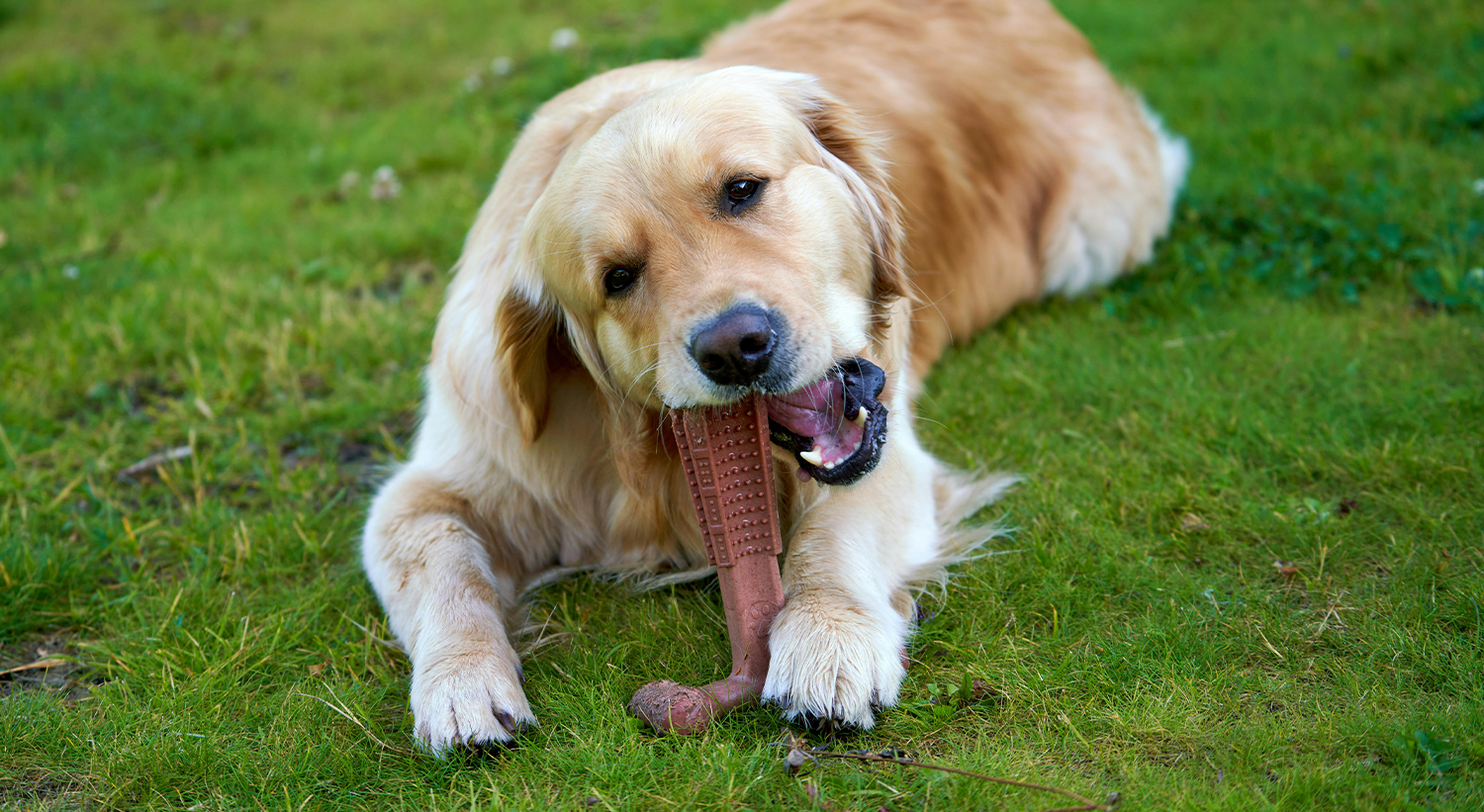
Dental chews and water additives can support your dog’s dental routine, but they should never replace brushing. Dental toys, chew toys, and dog dental chews are also valuable tools that can help maintain oral health by reducing plaque and encouraging healthy chewing behavior.
Dental chews and water additives help by:
Reducing plaque buildup between brushings
Encouraging saliva production
Supporting fresher breath
Dental treats can help clean teeth and freshen breath
You can also use water additives in your pet's water bowl to help control bacteria and support dental health. Houndswell's Daily Water Additive freshens breath, reduces tartar buildup, and fights bacteria that cause odor and gum disease.
Houndswell also offers daily dental support supplements for all dog types.
Regular Oral Checks at Home
Part of a solid dog dental routine is simply paying attention.
Check your dog’s mouth for:
Red or swollen gums, especially along the gum line
Yellow or brown tartar buildup
Bad breath that doesn’t improve
Broken or loose teeth
Early detection makes dental issues easier and less costly to manage.
Signs Your Dog’s Dental Routine Needs Improvement
Even well-meaning dog parents may miss subtle signs that their dog’s dental care routine isn’t working. Recognizing early signs of oral problems and oral health issues is crucial, as these can impact your dog's overall well-being if left unaddressed.
Common red flags include:
Changes in your dog's breath, especially persistent bad breath, which can indicate oral health issues or other underlying problems
Build up of plaque or tartar on teeth, which can lead to more serious oral problems
Bleeding gums
Dropping food or chewing differently
Pawing at the mouth
If you notice any of these early signs, your dog’s dental routine may need more consistency or professional support.
How Often Does Your Dog Need Professional Dental Care?
Professional dental care, including professional dental cleaning and dental procedures performed at a veterinary clinic, is a critical part of maintaining long-term dog dental health.
Most dogs benefit from:
Having their teeth cleaned regularly through annual or biannual veterinary dental cleanings
More frequent monitoring for small breeds, senior dogs, or dogs prone to dental disease
Professional cleanings allow for scaling below the gum-line and identification of hidden issues that at-home care cannot address. Neglecting professional dental cleaning can lead to advanced periodontal disease, which may result in serious health risks such as infections affecting the heart, liver, and kidneys.
If you are looking to get your dog’s dental routine back on track contact your local Scenthound and ask about our monthly hygiene care subscription options.
Nutrition and Dental Health
What your dog eats has a direct impact on their dental health. A balanced, nutrient-rich diet not only supports your pet’s overall well-being but also helps prevent dental problems like periodontal disease and gum disease. Pet owners should look for high-quality dog foods that are formulated to promote dental health, as these often contain ingredients that help reduce tartar buildup and freshen breath. Avoid feeding your dog table scraps or sugary treats, as these can contribute to tooth decay and other dental issues.
Some dog foods are specifically designed to support dental health, with kibble shapes and textures that help clean teeth as your pet chews. These diets can be a helpful addition to your pet’s dental care routine, but they work best when combined with regular vet visits and routine dental care. Your veterinarian can recommend the best diet for your dog’s unique needs, ensuring their teeth and gums stay as healthy as possible.
Dental Health and Overall Wellness
Your dog’s dental health is more than just a matter of fresh breath and clean teeth—it’s a vital part of their overall wellness. Poor dental health can lead to serious health problems, including heart, kidney, and liver disease, as bacteria from gum disease can enter the bloodstream and affect other organs. That’s why pet owners should pay close attention to their dog’s oral health and watch for warning signs like bad breath, loose teeth, or changes in eating habits.
Regular tooth brushing, dental chews, and a healthy diet all play important roles in preventing dental issues and supporting your pet’s health. If you notice any signs of dental problems, such as reluctance to eat or visible discomfort, don’t wait—schedule a veterinary checkup. By making dental care a priority, you’re not just protecting your dog’s teeth and gums, but also helping them enjoy a longer, healthier life. Consistent dental routines are a simple but powerful way to safeguard your pet’s health and happiness.
How to Build a Better Dog Dental Routine
Improving your dog’s dental routine doesn’t have to be overwhelming. Many dogs benefit from helpful tips that make starting and maintaining a dental routine easier and more effective.
Start with these steps:
Introduce brushing gradually and keep sessions short
Create a consistent schedule tied to daily routines
Use positive reinforcement to build comfort and trust
Combine home care with professional services for full support
Check your pet's teeth regularly to monitor your pet's dental health and pet's oral health
Small, consistent actions add up to meaningful long-term results. Building a dental routine not only supports your pet's health, but also strengthens the bond with your canine companion.
Final Thoughts: Is Your Dog’s Dental Routine Really Enough?
If your dog’s dental routine consists of the occasional chew or an annual vet visit, it may be time to step things up. Poor dog dental care can lead to serious health consequences and should not be overlooked. A well-rounded dog dental routine helps prevent disease, reduces discomfort, and supports a healthier, happier life.
At Scenthound, we help dog parents become more confident, informed, and proactive about their dog’s wellness. Through routine hygiene services, education, and early detection support, we empower dog parents to build better habits and catch potential dental issues before they become serious—because better dental care leads to better dog ownership.