
Protect Your Pups Paws from Hot Pavement
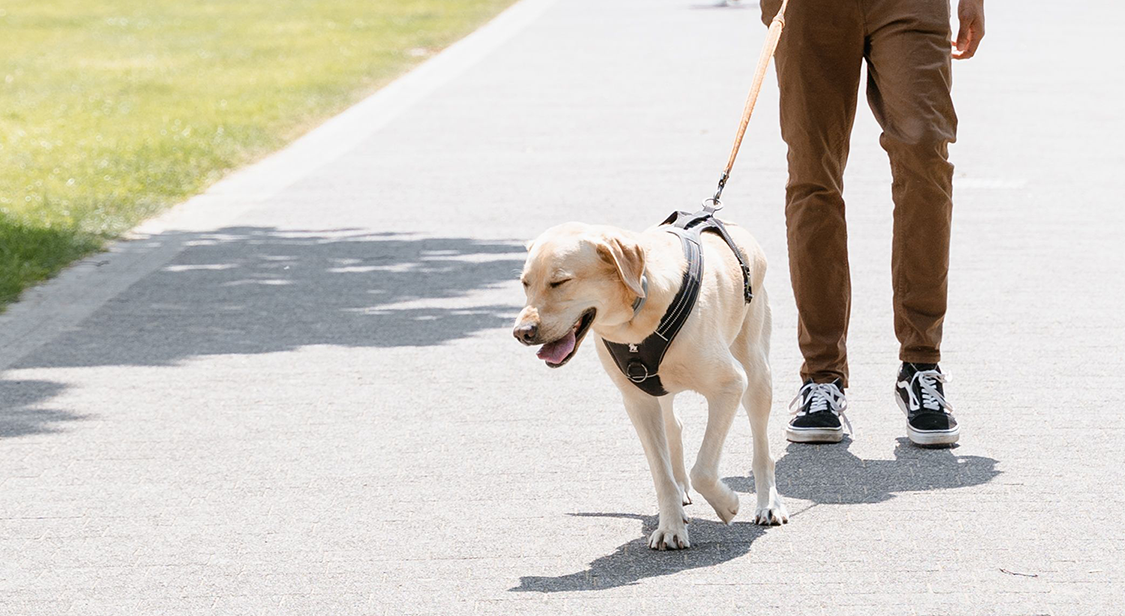
Protecting your dog's paws from hot pavement starts with one simple habit: testing the surface before your dog walks on it. When the air temperature reaches 86°F, asphalt in direct sun can reach 135°F, hot enough to cause burns within 60 seconds of contact. The good news is that paw pad burns are almost entirely preventable with a few consistent adjustments to your daily routine.
Why Hot Pavement Is More Dangerous Than It Looks
Pavement, asphalt, and concrete absorb and hold heat from the sun far beyond what the surrounding air temperature suggests. Dark surfaces like asphalt are particularly efficient at absorbing and retaining heat, and they can stay dangerously hot for hours after the sun goes down.
The Temperature Gap Most Pet Parents Miss
The difference between air temperature and surface temperature is one of the most consistently underestimated summer risks. According to data cited by the AKC from the Journal of the American Medical Association, when the air temperature is 86°F, asphalt registers at 135°F. Even on an 80°F day, pavement can still reach 125°F. Dark surfaces absorb and retain heat most aggressively, but even concrete and brick in direct sun reach temperatures well beyond what is safe for your dog's pads. Pet parents who check the weather forecast before a walk but not the ground temperature are working with incomplete information, and it is important to check the surface itself before heading out.
The 7-Second Test: Your Most Reliable Prevention Tool
The most practical way to check whether pavement is safe for your dog is the 7-second test, since dog paws can be as sensitive as human feet. Place the back of your hand flat on the surface and hold it there for a full 7 seconds, though some owners also use their bare feet to gauge whether the surface feels safe. If you cannot hold your hand on the pavement comfortably for the full 7 seconds, the surface is too hot for your dog's paws. This test costs nothing, takes seconds, and is more accurate than relying on air temperature alone.
When to Walk and Where
Timing and route selection are the two most effective adjustments a pet parent can make during summer months. Walking in the early morning or late evening, when pavement has had time to cool, reduces burn risk significantly. Choosing safer places to explore, like routes with plenty of shade and natural surfaces such as grassy paths or dirt trails instead of hot sidewalks or open asphalt, is the most reliable surface-level precaution during midday hours; artificial grass and sand can also get dangerously hot, so remember that heat may still linger into the evening after a hot day. During peak heat, save exercise and playing for shaded walks or indoor options.
Signs Your Dog's Paws Have Already Been Burned
Dogs often do not show obvious signs of a paw burn immediately, which is why pain and discomfort from hot pavement can be missed until after a walk is over. According to Vetster, pavement is rarely hot enough to burn instantly, so most burns develop when a dog continues walking on a hot surface for several minutes. The earliest behavioral signals are slowing down, limping, licking a paw, or refusing to continue walking, and these should be taken seriously in the moment by stopping the walk to protect your pup rather than after returning home.
Visible Signs That Indicate a Burn Has Occurred
Once home, check your dog's paws carefully if any of the behavioral signs appeared during the walk. According to Dogster, visible signs of burned paw pads include redness or discoloration, and burned pads may also appear darker in color, of the pad surface, which is skin, swelling, blisters, peeling or sloughing pad tissue, and your dog repeatedly lifting a foot or avoiding pressure on it; damage may affect the skin on your dog's paw pads. Mild burns may heal within 7 to 10 days with appropriate care, while more severe burns with blistering or open wounds require prompt veterinary attention and can take several weeks to heal fully.
What to Do If You Suspect a Paw Burn
Act quickly and calmly if you notice signs of a burn during or after a walk. Move your dog off the hot surface immediately so they can stand on cool grass or another cool surface, then cool the affected paw with room-temperature to cool running water for 5 to 10 minutes. Do not apply direct ice to the paw. Offer a drink of water and move to shade while you monitor for heat stress. If the burn is serious enough, take them to the Vet.
When to Call Your Vet Immediately
Not every burn requires an emergency visit, but some do, especially if the injury extends beyond the pads or is paired with heat illness affecting your dog’s legs or overall stability. Seek immediate veterinary care if your dog has blistering, raw or exposed tissue, bleeding, limping, multiple paws affected, or any signs of heat illness alongside the paw injury. If you are unsure of the severity, a telehealth consultation with your vet is a practical first step that can help you determine whether the injury can be managed at home or needs in-person evaluation.
Protective Tools That Help
Dog boots are the most practical physical barriers between your dog's paws and hot surfaces. According to the AKC, dog shoes or all-terrain boots offer reliable protection from hot pavement because they create a barrier that helps protect paws and reduces burn risk, but most dogs need time to adjust to wearing them before the first outing. Introducing boots gradually over one to two weeks before summer heat peaks gives your dog the best chance of tolerating them comfortably when you need them most.
Paw Balm as a Preventive Wellness Care Habit
Applying a pet-safe paw balm two to three times per week during summer keeps pads supple and reduces the risk of cracking, which makes pads more vulnerable to surface burns, and it can also help shield paws from snow and ice in winter. Houndswell Paw Balm is formulated to soothe, nourish and protect your dog’s paw pads, elbows and nose, keeping them healthy and comfortable year-round. According to the AKC, dry pads are more susceptible to burns from hot pavement, making moisturization a meaningful preventive measure rather than simply a comfort one. Incorporating paw balm into your routine wellness care alongside a brief post-walk paw check creates a consistent habit that supports early detection of any developing changes to pad condition.
FAQ
At what air temperature should I start worrying about pavement heat? The AKC recommends treating any air temperature of 85°F or above as a threshold where pavement safety should be actively checked rather than assumed. Always use the 7-second test regardless of air temperature, as surface heat varies significantly depending on sun exposure, surface material, and time of day.
Do dog boots actually work for hot pavement protection? Yes, when properly fitted and introduced gradually. Dog boots provide a physical barrier between the pad and the hot surface, and they also help on hot metal surfaces. They are particularly useful for dogs in consistently hot climates or on surfaces where timing adjustments alone are not sufficient. A snug but not tight fit with full-foot grips and wrap-around closures is the most functional design for most dogs.
My dog refuses to wear boots. What else can I do? Walk during cooler parts of the day, stick to grassy or shaded routes, apply paw balm regularly to keep pads conditioned, and use the 7-second test before every walk on pavement. Keep in mind that darker pavement can become much warmer than grass. These combined habits are meaningfully protective even without boots, as prevention through route and timing is more reliable than any single product.
Can puppies get burned more easily than adult dogs? Yes. According to the AKC, hot pavement is especially damaging to puppies with sensitive young paws, and a puppy's paw skin and pads are especially sensitive. Puppy pads are thinner and less conditioned than adult pads, making them more vulnerable to heat damage. This makes early introduction to boot wearing and strict walk timing habits particularly worthwhile for young dogs during their first summer.
Should I check all four paws after a walk, or just look for obvious limping? Check all four paws, regardless of whether limping is visible. Burns can be present on one paw without producing obvious behavioral signs immediately, and catching mild redness or early pad changes within the first few hours of injury consistently produces better outcomes than waiting for symptoms to worsen.
Hot pavement is one of the most consistent and most preventable summer risks for dogs. This article is meant as an informational guide, not a substitute for veterinary advice. The pet parents who avoid paw pad burns are not doing anything complicated. They are checking the surface before a walk, choosing the right time of day, keeping pads conditioned, and knowing what to look for when something seems off. A few consistent habits at the start of summer can protect your dog's paws through all of it.