
Why Does My Dog Smell Worse in Summer?
Your dog smells worse in summer because heat and humidity accelerate the biological processes that produce odor, specifically bacterial activity on the skin, increased sebaceous gland output, moisture trapped in the coat, and a higher likelihood of secondary conditions like ear infections and yeast overgrowth. Warmer temperatures give the microorganisms that naturally live on your dog's skin and coat the exact conditions they need to multiply faster. The result is that a dog who smells mildly at baseline in cooler months can smell noticeably more by mid-summer, even without any change to their hygiene routine.
The Biology Behind Summer Dog Odor
Dogs have apocrine glands distributed throughout their skin that release chemical signals rather than the cooling sweat humans produce. They also have sebaceous glands that produce sebum, an oily substance that protects the coat and skin but becomes rancid quickly in warm temperatures. According to Veterinary Partner VIN, dog allergies can cause increased production of sweat and sebum, potentially encouraging bacterial and yeast overgrowth on the skin surface, both of which produce the musty, stale smell many pet parents notice intensifying in summer months.
The Most Common Sources of Summer Dog Odor: Anal Glands
Summer odor in dogs rarely comes from just one place. The most consistent contributors are the coat and skin, the ears, the paws, and in some cases the anal glands, though these are the most common sources and other causes can also contribute when odor persists. According to Rover, heat and rain can intensify a dog's natural odor significantly, while contact with outdoor environments including water, grass, soil, and surfaces treated with pesticides or fertilizers adds additional odor-causing compounds to the coat. Identifying which source is driving the odor is the most useful first step, because bathing alone may mask the smell temporarily without addressing what is actually causing it.
When Summer Odor Points to a Health Issue
A smell that is distinctly foul or a foul odor, fishy, sour, or yeasty rather than simply musky is typically a sign of a health issue rather than routine summer odor. Common medical sources of odor in dogs include allergic or seborrheic skin disease, ear infections, anal gland impaction or infection, and dental disease, which may show up as bad breath tied to dental problems. Pet parents who notice a strong or sudden shift in their dog's smell, particularly if it is localized to one area of the body and comes alongside scratching, licking, discharge, behavioral changes, or anal gland issues such as scooting when a dog slides its bottom on the ground, should schedule a veterinarian visit rather than treating the symptom with bathing alone, since the source may need diagnosis and a tailored treatment plan.
Ears and Paws: The Two Most Overlooked Summer Odor Sources and Ear Infections
Ears are one of the most common, and most frequently missed, sources of summer dog odor. Increased moisture from swimming, humidity, and outdoor activity creates the warm, damp environment that yeast and bacteria in the ear canal need to overgrow, producing a yeasty or sewage-like smell that worsens over days if not addressed. Dry your dog thoroughly after baths or swimming to reduce odor and infection risk, especially when the coat or ears stay wet. Properly drying and checking your dog's ears helps prevent infections after swimming, bathing, or rain. Clean your dog's ears regularly, at least once a month, to help prevent buildup in a moist environment. Paws are the second most overlooked contributor: the eccrine sweat glands in a dog's paw pads release moisture in warm weather, and the bacteria and fungi that live naturally in the interdigital spaces produce a more intense version of the familiar corn-chip odor as microbial activity increases with heat.
Identifying Ear Odor vs. General Coat Odor
If your dog's smell is most concentrated around the head and ears rather than generalized across the coat, an ear infection is the most likely source. A healthy ear has minimal odor. A yeasty or foul smell from the ear canal, paired with head shaking, scratching, or visible redness, indicates infection rather than routine summer odor and requires veterinary attention. Ear infections do not resolve on their own, and odor that returns within a few weeks of bathing is a reliable early signal that something medical is driving it.
The Role of Allergies in Summer Odor
Summer is peak allergy season for many dogs, and allergic skin disease is one of the most consistent medical drivers of intensified odor. Dogs with underlying allergies tend to develop an underlying odor during peak allergy season because the allergy, not the smell itself, is usually the primary issue; inflammation causes overproduction of skin oils and an overgrowth of yeast on the skin surface. Dogs with environmental allergies often show seasonal patterns, smelling noticeably worse in spring and summer when pollen counts are at their highest, and allergic reactions to outdoor triggers can also lead to hot spots or secondary infections that make a dog more smelly, then improve again in fall and winter when exposure to outdoor allergens drops. In some dogs, food sensitivities can also worsen seasonal odor.
How Skin Fold Odor and Hot Spots Increase in Summer Heat
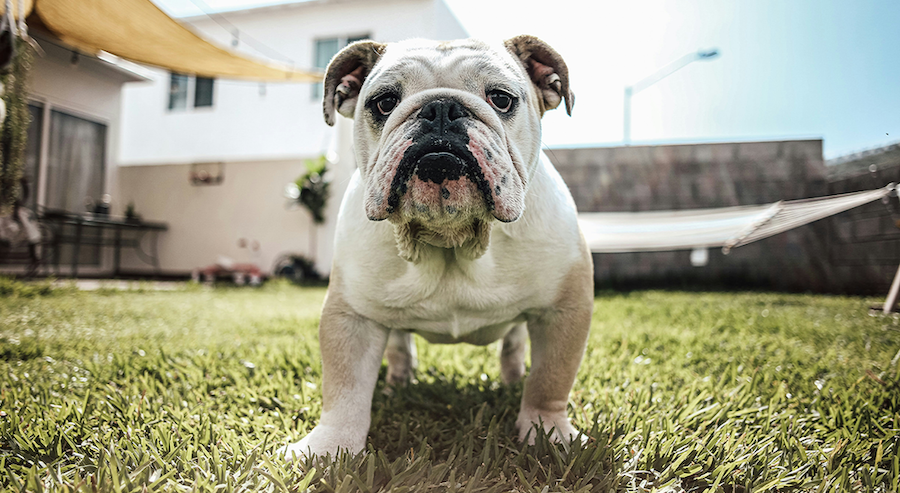
Dogs with skin folds, including Bulldogs, Shar-Peis, Pugs, and Basset Hounds, are at particularly high risk for intensified odor in summer because heat and moisture become trapped in the folds where air cannot circulate, and dogs with thick coats are especially prone to trapped moisture and odor in these areas during summer. Bacteria and yeast thrive in these enclosed microenvironments, producing strong odors that worsen quickly in warm weather and can be harder to control in large dogs with dense fur, and may progress to a painful skin fold infection called skin fold dermatitis if not managed consistently. Cleaning and thoroughly drying skin fold areas at least two to three times per week during summer months is the most reliable preventive habit for these breeds.
Routine Wellness Care Habits That Reduce Summer Odor
The most effective approach to summer odor management is increasing the frequency and consistency of routine hygiene rather than only responding when the smell becomes obvious. Bathing with a pH-balanced, dog-specific shampoo every three to four weeks during summer removes accumulated sebum, bacteria, allergens, and environmental debris from the coat before they compound into a stronger odor. For some dogs, frequent baths can help, but over bathing may strip natural oils from the dog's coat and dog's fur. Brushing three to five times per week and regularly brushing your pup regularly helps distribute natural oils more evenly, while a mild shampoo wash and a clean living environment help keep unpleasant odors down and support home smelling fresh.
How Scenthound's S.C.E.N.T. Check Supports Odor Prevention
At every Scenthound visit, ear cleaning is included as a standard part of the service, helping prevent odor-causing bacteria from building up between visits and addressing one of the most consistent and overlooked sources of dog odor before it has a chance to develop into an infection. Our six-point S.C.E.N.T. wellness check systematically assesses your dog's skin, coat, ears, nails, teeth, and overall condition at each appointment, flagging any changes that fall outside the normal range so pet parents have the earliest possible window to act; this proactive monitoring supports healthy pets, especially a smelly dog whose odor may stem from issues beyond grooming alone. For dogs who tend to smell more in summer, this consistent, structured attention at every visit means odor-driving issues are identified early, often well before they become uncomfortable for the dog or obvious at home, and any persistent fishy smell or stronger scent should still be evaluated medically rather than treated as completely normal.
FAQ
Is it normal for my dog to smell worse in summer? Yes, to a degree. Warmer temperatures increase microbial activity on the skin and accelerate sebum rancidity, both of which intensify natural dog odor. A mild increase in summer odor with no other symptoms is usually manageable with more frequent routine hygiene. A strong, sudden, or localized odor alongside other symptoms warrants a vet visit.
How often should I bathe my dog in summer to manage odor? Every three to four weeks is the recommended baseline for most dogs during summer months, using a pH-balanced, dog-specific shampoo. Dogs who swim frequently, have skin fold conditions, or a history of allergic skin disease may benefit from bathing every two to three weeks. That balance matters, because over-bathing can strip the skin's protective oils and worsen odor long-term.
Why does my dog still smell bad right after a bath? A dog that smells bad within a day or two of bathing is likely producing excess sebum because of an underlying skin condition, or has an active source of odor, such as an ear infection or anal gland issue, that bathing does not address. That kind of persistent stink after washing can point to a medical source rather than a routine care problem. This is one of the clearest indicators that a veterinary assessment is needed rather than more frequent bathing.
My dog's paws smell like corn chips. Is that normal? Yes. The corn-chip or Fritos-like smell from paws is a normal result of bacteria and yeast naturally present in the interdigital spaces reacting with moisture from sweat glands. This odor is generally harmless, but if it intensifies significantly, is accompanied by redness or swelling between the toes, or your dog is licking their paws excessively, an infection may be developing and is worth checking.
Does breed affect how much a dog smells in summer? Yes. Dogs with dense or double coats trap more heat and moisture close to the skin, which creates a more active microbial environment. In some pets, dense coats also hold moisture longer, making wet dog smell more noticeable. Dogs with skin folds, floppy ears, or a predisposition to allergic skin disease also tend to smell more intensely in warm weather. For these breeds, more frequent wellness care in summer is particularly worthwhile as a preventive measure.
A noticeable increase in dog odor in summer is one of the most common concerns pet parents raise, and in most cases it is manageable with consistent routine hygiene and a clear understanding of where the smell is actually coming from. The pet parents who stay ahead of summer odor are the ones who know their dog's baseline, act on changes early, and build wellness care habits that address the cause rather than only the symptom.