
How to Prepare Your Dog for 4th of July Fireworks
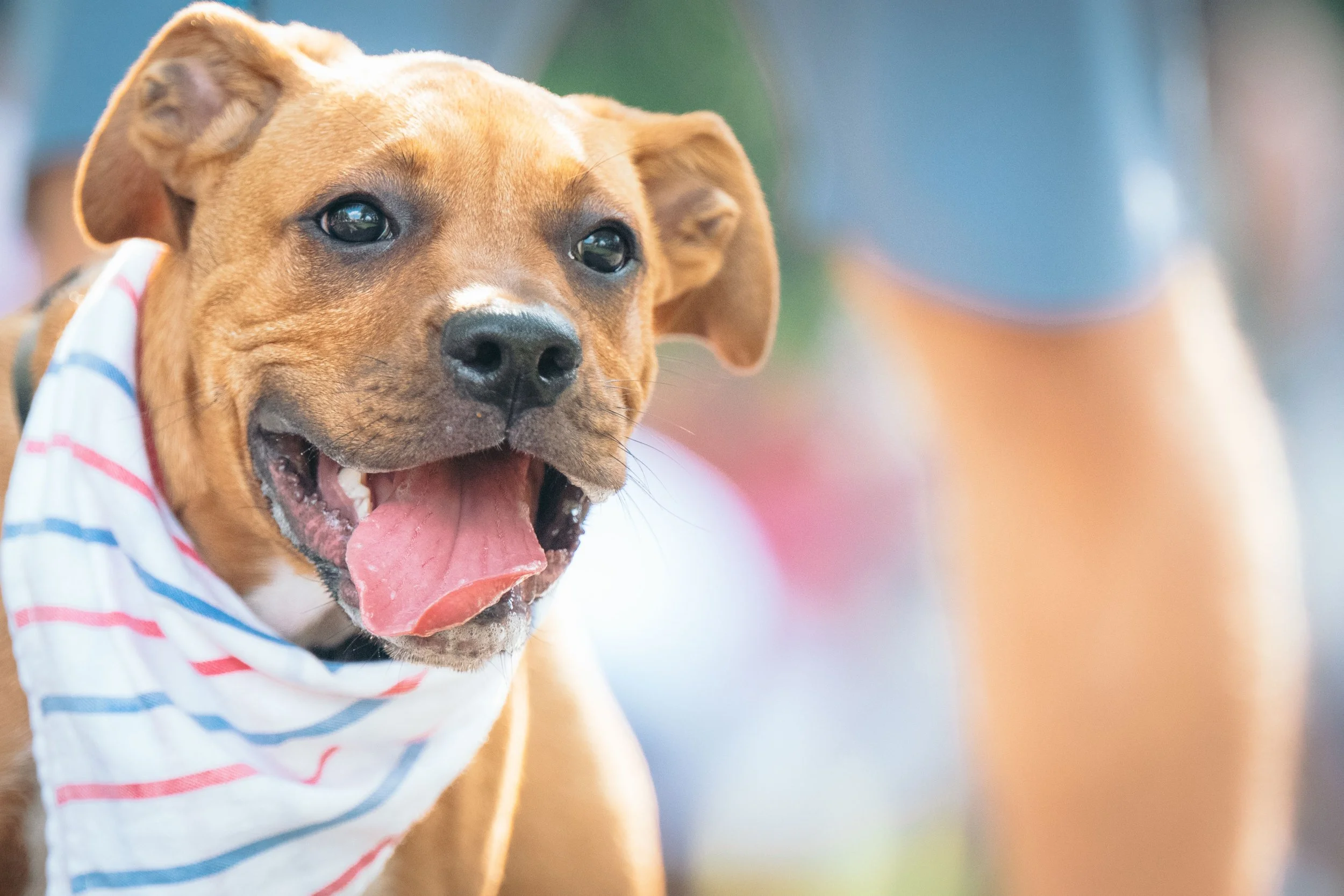
The 4th of July is one of the most stressful nights of the year for dogs, and preparation should start well before the holiday itself. About one dog in three experiences significant anxiety during fireworks, making this one of the most common issues pet parents deal with each summer. The most effective approach combines a safe physical environment, gradual behavioral training, and veterinary support when needed. Acting early gives your dog's nervous system time to adjust rather than asking them to cope in the middle of a stressful event.
Even with preparation, unexpected things can still happen on the night itself, so being ready to respond matters just as much as the lead up. The goal is to reduce anxiety and help your dog cope, both on the 4th and during any storms that roll through later in the summer.
Why Fireworks and Storms Trigger Anxiety in Dogs
Dogs experience fireworks, storms, and other loud noises as a cluster of overlapping threats: sudden loud sounds, unpredictable timing, bright flashes, low frequency vibrations, and in the case of storms, changes in barometric pressure and static electricity. Many dogs become scared during these events, showing their fear through trembling, hiding, or other anxious behaviors. According to a 2024 study published in the Australian Veterinary Journal, 44.4% of dogs surveyed were fearful of fireworks, with the most common response being seeking out their pet parent for comfort.
If left untreated, this fear can develop into broader anxiety issues over time, including separation anxiety, which is part of why prepping ahead of the 4th matters even if your dog has only ever shown mild signs.
Why Fear of Noise Often Gets Worse Over Time
Noise phobia in dogs is not a phase that resolves on its own. Without intervention, the fear response tends to intensify with each exposure as the dog's nervous system becomes increasingly sensitized to the trigger. This is true whether the trigger is fireworks on the 4th or a thunderstorm in August. Pet parents who address noise anxiety at the first signs, rather than waiting for it to become severe, consistently see better and faster outcomes.
Creating a Safe Space Before the Holiday
A designated safe space is one of the most practical tools for a noise anxious dog, and it's worth setting up before the 4th since you'll likely reuse it for storms later in the season. Choose a quiet, interior room or windowless basement that naturally muffles sound, or use a crate as a secure retreat. Set up the space in advance with your dog's bed, familiar scents, and access to water. Use blackout curtains or a blanket to block flashes from fireworks, and consider covering the crate with a blanket to help muffle sound and add extra comfort. Let your dog explore and rest in this space regularly beforehand so it's associated with comfort rather than introduced for the first time during the holiday itself.
Day of Prep & 4th of July Safety
Keep your dog indoors during fireworks, make sure doors, windows, and gates are securely closed, and double-check that your dog's microchip information and ID tags are current in case they do get loose. Skip the sparklers, glow sticks, and citronella candles around pets, as all of these can cause irritation or be toxic if ingested, and keep alcohol, matches, and lighter fluid well out of reach.
If you're heading to a barbecue, watch for table scraps like corn cobs, bones, and anything seasoned with onion or garlic, since these are common causes of emergency vet visits around the holiday. A little extra caution goes a long way toward making sure the only thing your dog remembers about the 4th is the backyard nap afterward.
If your pup is anxious, remember that your own behavior during a stressful event affects your dog's response. Staying calm and going about normal activities, rather than hovering anxiously, signals to your dog that nothing catastrophic is happening. Comforting a dog seeking reassurance is fine and won't reinforce the fear, but rewarding calm behavior specifically when your dog settles builds the association you actually want.
Environmental Adjustments
Closing windows and drawing curtains reduces both sound and visual stimulation from flashing lights, and this works just as well for storms as it does for fireworks. Running a white noise machine, a fan, or the television in the background helps mask sudden loud sounds rather than leaving silence in which every boom is more jarring. Playing calming or classical music can help soothe your dog further. Exercising your dog earlier in the day, at least one to two hours before fireworks are expected, helps lower their baseline arousal level so they enter the evening calmer.
Calming Tools
Several tools have evidence supporting their use as part of a broader plan, useful for both the 4th and storm season. Pressure wraps, like anxiety vests, apply gentle, consistent pressure that some dogs find calming. Calming supplements designed for dogs containing ingredients like Hemp and Chamomile may also promote relaxation without heavy sedation.
When Medication Is the Right Next Step
For dogs with moderate to severe anxiety, behavioral tools alone may not be enough. Always consult your veterinarian before administering any anti-anxiety medication. Most medications are most effective when given one to two hours before the stressor begins, so if your dog struggles with fireworks, this is a conversation worth having with your vet now.
FAQ
How far in advance should I start preparing my dog for the 4th of July? Ideally four to six weeks out, so starting now if the holiday is this week is still worthwhile, even if it's just the safe space and environmental basics.
Will comforting my anxious dog make the fear worse? No. Current veterinary behaviorist guidance supports comforting a fearful dog. What matters more is also rewarding calm behavior specifically, so your dog builds a positive association with settling.
Are pressure wraps effective for all dogs? Not universally. Many dogs respond well, but results vary and a vest is most effective when introduced before the stressful event rather than for the first time during one. Make sure to check with your Vet when considering any new addition to your pet’s care.
My dog was fine with fireworks last year. Should I still prepare for storm season? Yes. Noise phobia can develop or worsen at any age, and tolerance to fireworks doesn't always carry over to thunderstorms.
When should I contact a veterinary behaviorist instead of my regular vet? If your dog's anxiety is severe, isn't responding to standard interventions, or is affecting their daily quality of life beyond just the 4th and storms, a referral to a board-certified behaviorist is the right next step.