
What Should a Spring Checklist Be for a Dog’s Wellness?
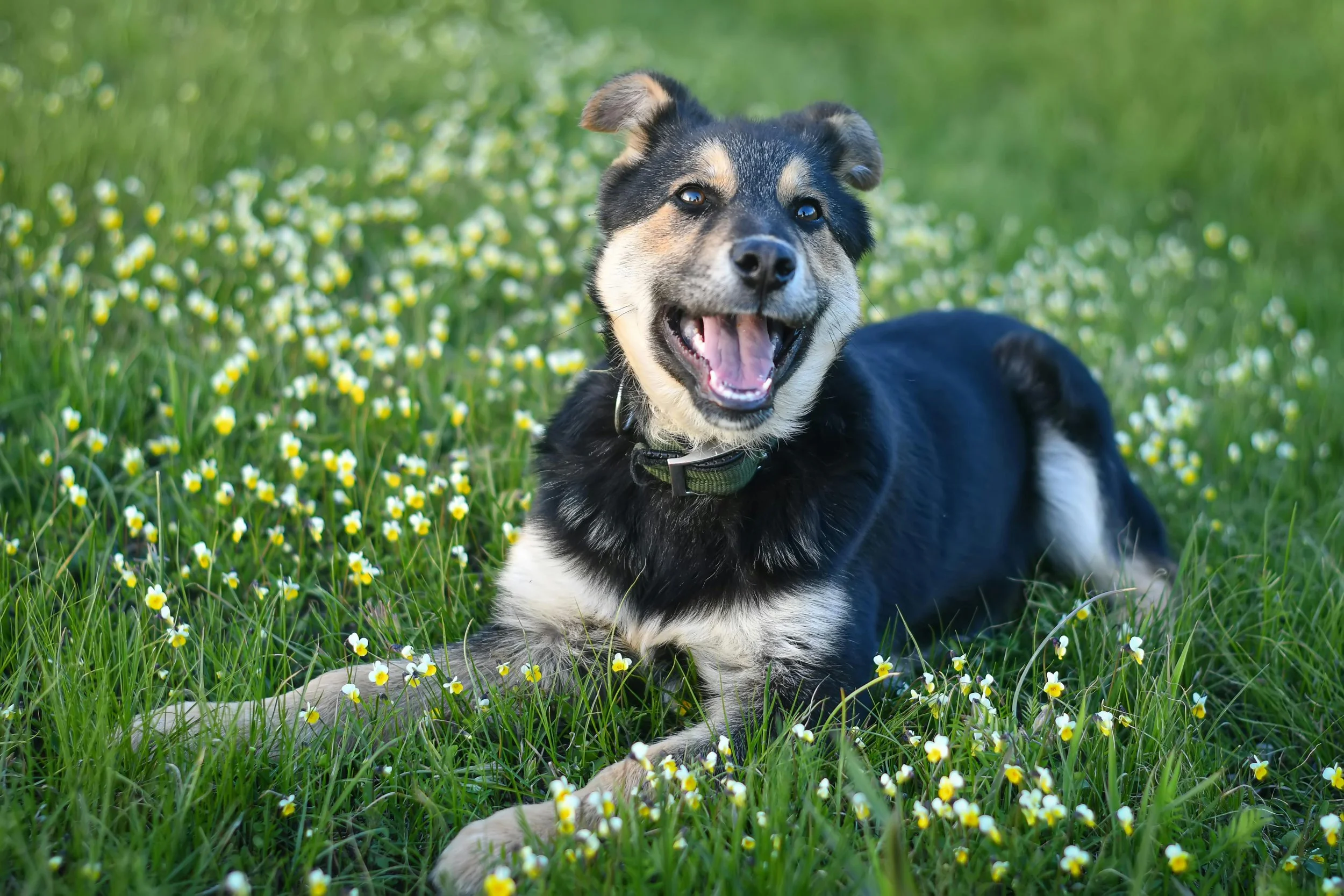
A spring checklist for a dog’s wellness should focus on preventative care, parasite protection, seasonal allergy management, and consistent routine hygiene. As dogs spend more time outdoors in spring, warmer weather also brings increased exposure to pollen, fleas, ticks, mud, and environmental irritants, making this the ideal season to refresh your dog’s wellness routine. A proactive spring checklist helps pet parents catch concerns early and keep dogs comfortable, clean, and healthy throughout the season.
Why Dogs Need a Spring Checklist
Spring introduces new seasonal health risks for dogs, including parasites, allergens, and increased outdoor exposure. Preventative wellness care helps reduce avoidable issues before they become larger medical concerns. Building a spring routine also improves consistency, which supports better long-term skin, coat, ear, and paw health.
What to Include in a Dog’s Spring Checklist
A complete spring dog wellness checklist should include parasite prevention, skin and coat care, paw checks, ear cleaning, nail maintenance, dental hygiene, and a veterinary wellness review. Each step helps address the most common springtime issues dogs face as activity levels and outdoor exposure increase.
Parasite Prevention Should Be a Priority in the Spring.
Fleas, ticks, and mosquitoes become more active as temperatures rise, increasing a dog’s risk of flea infestations, tick-borne illness, and heartworm exposure through mosquitoes. Many veterinarians recommend year-round prevention, but spring is a critical time to confirm your dog is protected before parasite activity peaks. Early prevention is far easier and more cost-effective than treating an infestation or disease later.
How Often to Check Your Dog for Ticks
Dogs should be checked for ticks after every hike, wooded walk, or time spent in tall grass. Daily checks improve early detection and reduce the time a tick has to attach and potentially transmit disease. Pay special attention to the ears, neck, armpits, toes, and groin.
Managing Spring Allergies in Dogs
Managing spring allergies starts with reducing allergen buildup on the skin and coat. Wiping paws after walks, rinsing the coat regularly, and increasing brushing frequency can help remove pollen and debris before irritation escalates. Watch for early signs such as paw licking, ear scratching, redness, or excessive itching.
According to Dr. Gentry (TAMU College of VM&BS), 10% of canines are known to suffer from allergies, especially in the spring seasons. Taking the right precautions and watching for signs of allergies can help your dog enjoy their spring months so much more. You should contact your veterinarian if allergy symptoms don't go away or if there is an increase in hair loss, odor, or redness.
Why Is Paw Care Important in Spring?
Spring surfaces often expose paws to mud, pollen, burrs, mulch, and hot pavement. Routine paw checks help identify cuts, debris, irritation, or dryness before they worsen. Wiping paws after walks can reduce allergen transfer into the home and prevent excessive licking.
The Importance of Ear Cleaning in Spring
Spring humidity, swimming, allergies, and outdoor play can increase moisture and debris in the ears. Dogs prone to ear issues may benefit from more frequent ear checks and routine cleaning during warmer months. Catching wax buildup, redness, or odor early can help prevent infections.
For more information on how to properly clean your dog's ears, click here to find a simple guide!
How Does Spring Affect Your Dog’s Coat and Skin?
Many dogs shed their winter coat in spring, leading to heavier fur loss and more trapped undercoat. More frequent brushing helps remove loose hair, distribute natural oils, and improve skin monitoring for lumps, hot spots, parasites, or irritation. Regular skin and coat checks support earlier detection of abnormalities.
Determine what grooming schedule is best for your dog by first determining what kind of coat they have.
Why Nail Care Should Be Part of Spring Wellness
As dogs become more active outdoors, overgrown nails can impact traction, posture, and joint comfort. Keeping nails trimmed supports healthy gait and helps prevent slipping on wet spring surfaces. For many dogs, nail maintenance every 3–4 weeks keeps length in a healthy range.
Including Dental Care in a Spring Dog Checklist
Oral health is a key part of total-body wellness in any season. Spring is a good time to evaluate your dog’s dental routine and look for signs such as bad breath, tartar buildup, red gums, or chewing discomfort. Consistent dental care supports better long-term health and can help identify issues before they require advanced treatment.
According to PubMed Central, about 80% of dogs have periodontal disease by two years of age. Dental care should remain part of your dog’s wellness routine year-round, including during the busy spring season.
When to Schedule a Veterinary Wellness Visit
Spring is an ideal time for an annual or semi-annual veterinary exam, especially before travel, boarding, or increased outdoor activity. A wellness exam can include vaccine review, parasite testing, weight assessment, and discussion of seasonal health concerns. Preventative visits improve early detection and help maintain care consistency year-round.
Common Spring Wellness Questions:
How often should I bathe my dog in spring?
Most dogs benefit from bathing every 4–6 weeks, though dogs with allergies or heavy outdoor activity may need more frequent bathing based on veterinary guidance. Every dog has different factors that play into how often they should be bathed. Determine your dog's coat or consult your local veterinarian or wellness specialist for guidance.
Can spring allergies cause ear issues in dogs?
Yes. Seasonal allergies often contribute to ear inflammation, itching, redness, and recurring ear infections.
What are the first signs of spring allergies in dogs?
Common early signs include paw licking, face rubbing, ear scratching, redness, and increased itching.
Do indoor dogs still need flea and tick prevention?
Yes. Fleas, ticks, and mosquitoes can still reach indoor dogs through people, other pets, and open doors.
How often should I brush my dog during spring shedding season?
Many dogs benefit from brushing several times per week during seasonal shedding, with some double-coated breeds needing daily brushing.
Keep Your Dog Healthy This Spring with a Routine
A thoughtful spring wellness checklist helps pet parents stay ahead of the season’s most common health concerns while keeping dogs comfortable, clean, and ready for more outdoor adventure. By focusing on prevention, consistency, and early detection, spring becomes the perfect time to reset your dog’s wellness routine for the months ahead.
At Scenthound, we are here to help you stay on top of your dog's wellness and give you more peace of mind throughout every season. We provide a monthly S.C.E.N.T. check that analyzes your dog in ways you might not do day to day. Contact or visit your local Scenthound for more detailed information on what we do and how we can help.