
Your dog's skin is usually so dry in winter because humidity drops both outdoors, where cold air holds far less moisture than warm air, and indoors, where furnace and heater use pull even more moisture out of the air your dog breathes and lies in. If you're a dog owner noticing winter itching, flakes, or dull skin, this is usually a manageable seasonal issue—but persistent scratching or flaking can also point to something beyond dry air. Below, you'll learn the main winter causes of dry skin in dogs, other medical and diet-related reasons it can happen, what helps at home—from humidifiers to smarter bathing—and when it's time to call your vet.
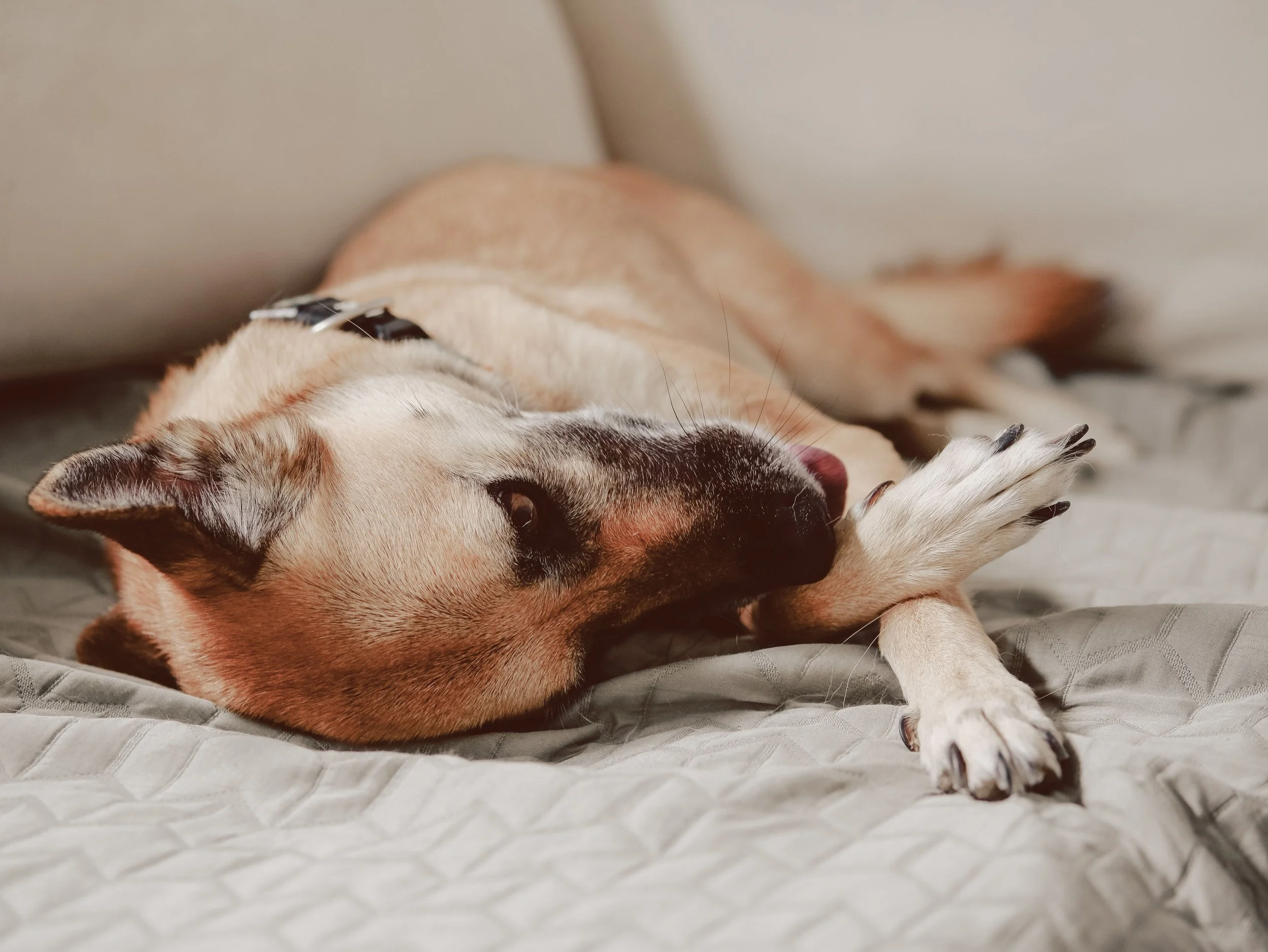
Cold Air and Dry Air Hold Less Moisture
Winter dryness starts before your dog even comes back inside. Cold outdoor air holds less moisture than warm summer air, and that dryness gets worse when wind or frigid temperatures are added to the mix. That's why dogs who spend time outside in winter often come back with skin that feels tighter or flakier than it did in warmer months, even without any change to their diet or routine.
Indoor Heating Makes It Worse
The air inside your home can be just as drying as the air outside. Winter heating systems can push humidity levels lowers and PetMD states that dry skin often shows up specifically in dogs who spend a lot of time in a dry environment or sleep near a heat source, so a favorite spot by the vent or fireplace can quietly be making the problem worse.
Dry Skin Can Come From More Than Just the Weather
Dry, flaky skin isn't automatically a weather issue, and it's worth ruling other causes out. Dry skin can also a symptom of fungal infections, bacterial infections, parasites, medication reactions, allergies, and more all of which can look similar to ordinary winter dryness at first glance and may also cause itchy skin.
If your dog is scratching at one specific spot rather than generally, or the flaking is paired with redness or hair loss, that's a signal to look past the weather for an explanation. Dandruff simply means dry skin cells are flaking off the skin. Severe dryness can also lead to cracked skin, scabs, or scaliness, and in some cases it may point to a broader skin condition, including irritation from dust mites or an underlying health conditions.
Diet Plays a Role Too
What's in your dog's bowl affects how their skin holds up through the winter. PetMD notes that dry skin can result from a poor diet or one that doesn't meet a dog's nutritional needs, particularly around essential fatty acids, which help maintain the skin's moisture barrier and support dog's skin health. A high quality diet in the winter can boost skin health by improving a dog's diet with omega-3 and omega-6 fatty acids, and fish oil is one example that can help keep a pet's diet aligned with healthy skin, a shiny coat, and a coat healthy.
Add Moisture Back Into the Air
The most direct fix addresses the root cause: low humidity. Adding a humidifier can help bring moisture back into dry indoor air, which can be good for your dog's skin and coat. When introducing one, choose a cool-mist model if possible, place it somewhere your dog can't reach or knock over, and keep the cord out of the way. Skip essential oils and other additives, since many can be harmful to dogs, and clean the humidifier regularly to prevent mold and bacteria buildup.
Watch for Signs That Need a Vet Visit
Most winter dryness responds well to at-home changes, but not all of it should be managed without guidance. If a dog is scratching more than usual, focusing on one spot in particular, or showing skin issues beyond simple dry, flaky skin, it's time for a veterinary visit. Catching a bacterial or fungal issue early, rather than waiting out the season, leads to a much faster resolution.
Where Routine Hygiene Fits In
Regular wellness care matters more, not less, in winter. Routine hygiene, including bathing, helps keep your dog's skin and coat clean and healthy. It also gives you a regular check-in on their skin and coat, so you can catch things like flaking and redness early, before they turn into bigger issues. Consistent brushing helps too, distributing natural oils through your dog's coat and removing loose fur, dead hair, and dead skin cells.
FAQ: Dry Winter Skin in Dogs
Why does my dog's skin get drier specifically in winter? Cold outdoor air holds less moisture, and indoor heating systems lower humidity further, both of which pull moisture from your dog's skin.
Can indoor heating really affect my dog's skin? Yes — furnaces and space heaters reduce indoor humidity, often well below the ideal range for skin health, even though your dog is inside and out of the cold.
Should I bathe my dog more or less if their skin is dry? If your dog is less active in the winter, they may not need baths as often, since they're spending less time outside and getting less dirty. Even so, monthly hygiene care should still be the standard.
Does diet affect dry skin in dogs? Yes — inadequate fatty acid intake can contribute to dry skin, and a vet can advise on the right amount for your dog's size and health.
When should I take my dog to the vet for dry skin? If scratching is excessive, focused on one area, or paired with redness, hair loss, or sores, it's time for a vet visit.
Will a humidifier actually help my dog's dry skin? It can help by adding moisture back into your home's air as long as the proper safety precautions are taken.
The Bottom Line
Dry winter skin in dogs is most often a straightforward result of low humidity, both outside and inside your home, and it usually responds well to a humidifier, a balanced diet, and routine hygiene care. Keep an eye out for excessive or localized scratching, redness, or hair loss, since those signs point to something beyond the season and are worth a trip to the vet.