
Why Monitoring Your Dog's Weight Matters More Than You Think
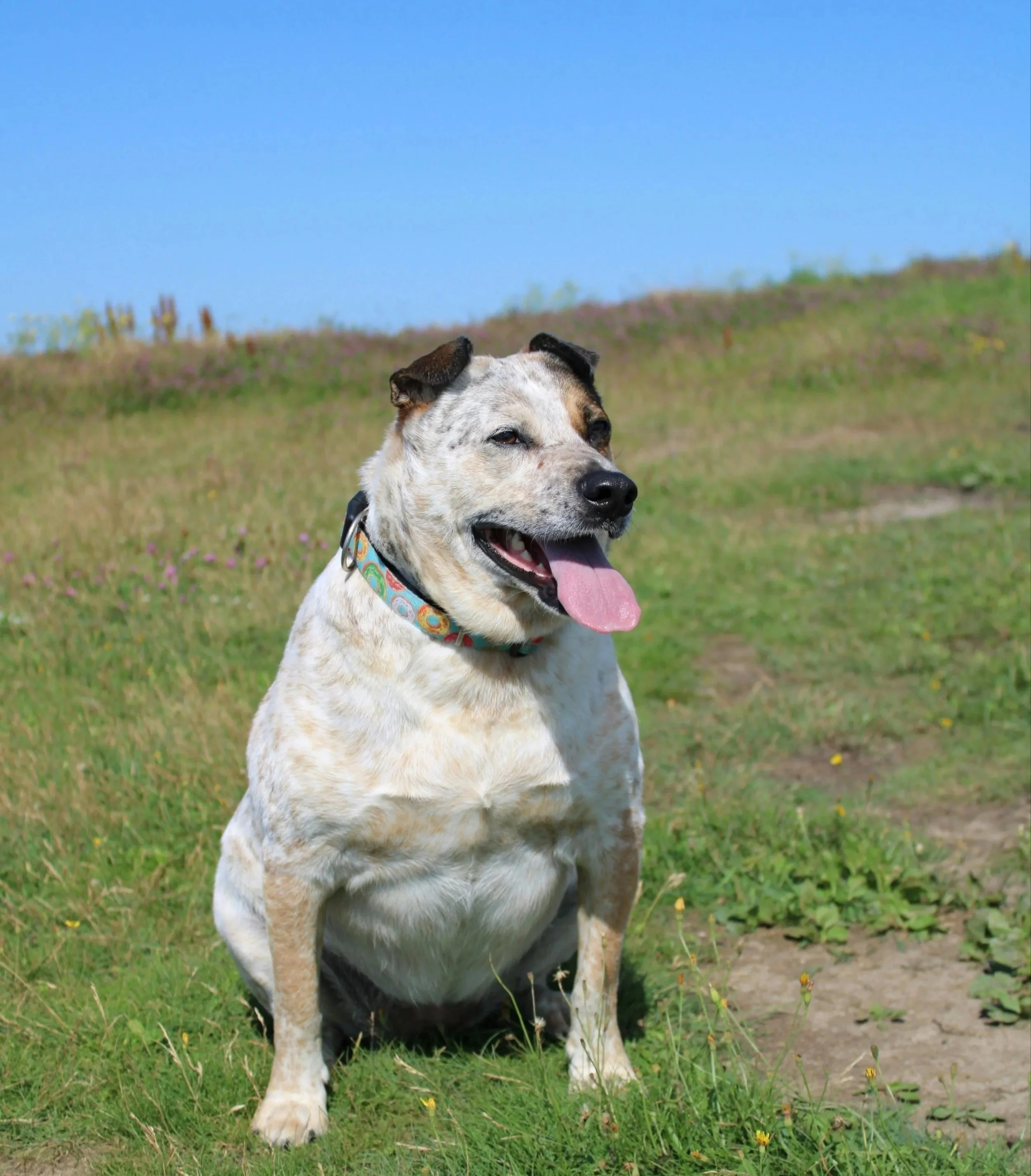
Keeping track of your dog's weight isn't just about how they look; it's one of the most reliable early indicators of their overall health. Even modest daily weight gain can quietly accelerate serious conditions like joint disease, diabetes, and heart disease, often before you notice any visible symptoms. The earlier a shift in weight is caught, the faster it can be addressed, and the better the long-term outcome for your dog. For pet parents, consistent weight monitoring is one of the simplest, highest-impact wellness habits you can build for your dog.
The Scale of the Problem
Canine weight issues are far more widespread than most pet parents realize. According to the Association for Pet Obesity Prevention's (APOP) 2024 survey, approximately 59% of dogs in the U.S. fall into an overweight or obese Body Condition Score range. Despite these numbers, only 17% of dog owners in a 2023 APOP survey acknowledged that their pets needed to lose weight—meaning the vast majority are unknowingly managing a dog at elevated health risk. That awareness gap is exactly why consistent weight tracking matters. A lot of people don't know what a normal weight is for their dog, so regularly weighing them can help give people a baseline weight to aim towards.
What Long-Term Excess Weight Actually Does to Your Dog's Body
Weight isn't just a number — it's a physiological signal. Excess body fat functions as an active endocrine tissue, releasing pro-inflammatory compounds that contribute to chronic, low-grade inflammation throughout the body. This sets the stage for a cascade of health conditions, including diabetes, heart disease, joint issues, respiratory difficulties, fluid retention, and certain types of cancer. According to integrative veterinarian Dr. Carol Osborne, being just 10% overweight can decrease a dog's lifespan by one-third and predispose them to heart, kidney, and liver disease, as well as diabetes, arthritis, and cancer. (Kennel Club)
How Much Does Weight Actually Shorten a Dog's Life?
The lifespan impact is striking. Research shows that being overweight can reduce a dog's lifespan by up to 2.5 years. For a breed with a 10–12 year average lifespan, that's a significant reduction in both time and quality of life. The good news: even small improvements matter. Studies show that as little as 6% body weight loss can make a meaningful difference—that's six pounds on a 100-pound retriever—improving quality of life as much as longevity. (Kennel Club)
Why Small Breeds Face an Outsized Risk
For toy and small-breed dogs, even a few extra pounds carries disproportionate consequences. Three extra pounds for dogs in the toy category is the equivalent of gaining approximately 30 pounds for a person — placing significant pressure on joints, organs, and the cardiovascular system. Small breeds are also frequently underfed on regular physical activity and overfed on treats, making consistent weight checks especially critical for pet parents in this category. Monitoring weight every 4–6 weeks for smaller dogs gives you a reliable baseline to catch upward trends before they compound so that you can make more informed decisions. (American Kennel Club)
What a Healthy Weight Actually Looks Like: Key Findings
Body Condition Scoring: The Tool Vets Use
Veterinarians use a standardized body condition score (BCS) system—typically a 9-point scale — to evaluate whether a dog is underweight, at an ideal weight, or overweight. A score of 4–5 out of 9 is considered ideal; at this range, you should be able to feel (but not prominently see) your dog's ribs, and they should have a visible waist when viewed from above. APOP's 2024 survey found that only 27% of dog owners recalled receiving a BCS from their vet but failed to have a consistent weight management system between visits.
Signs Your Dog May Be Gaining Weight
Common indicators include difficulty feeling the ribs through a layer of fat, loss of a visible waist, reduced energy during walks, and reluctance to jump or climb stairs. Determining if your dog is overweight can be challenging, especially if they have thick fur or a naturally stocky build — which is why relying on feel and measurement beats estimating by eye. These signs can be subtle, making consistent weigh-ins the most accurate, actionable tool you have. (AAHA)
How Often Should You Weigh Your Dog?
For most adult dogs, a weigh-in every 4–6 weeks provides enough frequency to detect meaningful trends without overreacting to normal daily weight fluctuations. Puppies, seniors, and dogs who are trying to prevent weight regain benefit from monthly or more frequent checks. Ultimately, whether the frequency is daily or weekly, maintaining a consistent routine of weighing and self-monitoring is crucial for effective weight management. This regular feedback allows individuals to make timely adjustments to their dietary intake and exercise routines to maintain weight loss. It also allows you and your vet to identify patterns and intervene early, ideally before a clinical condition develops or worsens so you can make more informed decisions.
The Role of Diet and Treats in a Weight Loss Journey
Overfeeding is the primary driver of canine weight gain, and treats are often the hidden culprit for sudden weight gain. Treats should account for no more than 10% of a dog's daily caloric intake — a threshold that's easy to exceed without measuring. Feeding guidelines on pet food packaging are a good place to start, but they are only guidelines; individual caloric needs vary by life stage, activity level, and health needs. Swapping calorie-dense treats for lower-calorie options like carrots or green beans can make a measurable difference over time without requiring a full diet overhaul. (AAHA)
Weight Monitoring as a Preventative Tool
Catching weight gain early — even 1–2 pounds above a dog's personal baseline — gives pet parents and healthcare providers the earliest possible intervention window. Pets at ideal weight move more easily, feel better, and engage more with their families, with a lower risk of chronic disease and fewer vet visits over time. That is why we promote weight loss maintenance, to ensure your dog can feel as healthy as possible throughout their life. Think of consistent weight monitoring the same way you think about dental care or annual bloodwork: it's not reactive care; it's proactive protection. (GAH)
More Specific Questions:
Q: How do I weigh my dog at home?
For small dogs, step on a bathroom scale while holding your dog, then weigh yourself alone and subtract. For larger dogs, a flat digital pet scale or your vet's scale provides the most accuracy. You may be able to log the number with the date each time for reliable trend tracking over weeks and months.
Q: Can my dog be overweight even if they seem energetic?
Yes. Many dogs remain active even at weights above their healthy range — especially younger dogs. Energy level alone is not a reliable indicator of ideal body condition. A BCS assessment gives you a more accurate picture than strictly the amount of physical activity your dog participates in.
Q: How quickly can a dog gain a dangerous amount of weight?
Weight can creep up gradually over months, making it easy to miss if you aren't conscious of weight maintenance. A dog gaining just half a pound per month can be several pounds overweight within a year, which for a 15-pound dog represents a 30%+ increase with real health consequences.
Q: Are certain breeds more prone to weight gain?
Yes. Labrador Retrievers, Beagles, Dachshunds, Cocker Spaniels and many brachycephalic breeds have higher predispositions to weight gain. Neutered dogs are also between 1.5 and 2.6 times more likely to become overweight or obese than intact dogs. (Dogster)
Q: What's the difference between overweight and obese in dogs?
Using the 9-point BCS scale, a score of 6–7 is considered overweight, and 8–9 is classified as obese. Both categories carry elevated health risk — a dog doesn't need to reach clinical obesity for weight to impact their quality of life and longevity.
Q: Should I put my dog on a weight loss diet without consulting a vet?
It's best to work with your veterinarian first. Pets with more to lose may need an entirely different diet to reduce caloric density without reducing important nutrients like vitamins, minerals, or fatty acids — and no one-size-fits-all weight loss diet exists. (Oakdalevet)
How Scenthound can Help
Your dog's weight is one of the clearest windows into their long-term health — and one of the most actionable data points you have. Consistent monitoring, early detection, and a clear personal baseline make the difference between getting ahead of a problem and reacting to one. At Scenthound, we weigh your dog at every appointment as a core part of our whole-dog wellness approach. That consistent weight data builds a meaningful health record over time, giving you and your care team a reliable reference point between vet visits — so small changes don't go unnoticed.