
Should I Shave My Dog in the Summer: What Pet Parents Need to Know
The short answer is: for most dogs, shaving is not recommended, and for double-coated breeds, it can actually cause more harm than good. A dog's coat is not just insulation against cold, it is a precisely engineered system that regulates body temperature in both directions, including protecting them from overheating in summer. The most effective thing you can do for your dog's comfort this season is not to remove their coat, but to keep it clean, brushed, and well-maintained through consistent routine hygiene.
How a Dog's Coat Actually Works in Summer
A dog’s double coat functions like insulation in a wall. The soft, dense undercoat acts as a natural cooling system and natural insulation, trapping air close to the skin to help regulate temperature. In breeds with two layers, the undercoat works beneath the protective outer coat, or fur coat, and a dog's fur helps shield the skin from harmful UV rays. When both layers are working together and well-maintained, they actively work to keep your dog cooler on hot days, not hotter. Removing that insulating layer and protective layer by shaving does not cool your dog down; it can increase overheating and heat stroke risk while leaving skin more exposed to sunburn, skin damage, and skin cancer.
The Breeds Most at Risk From Shaving
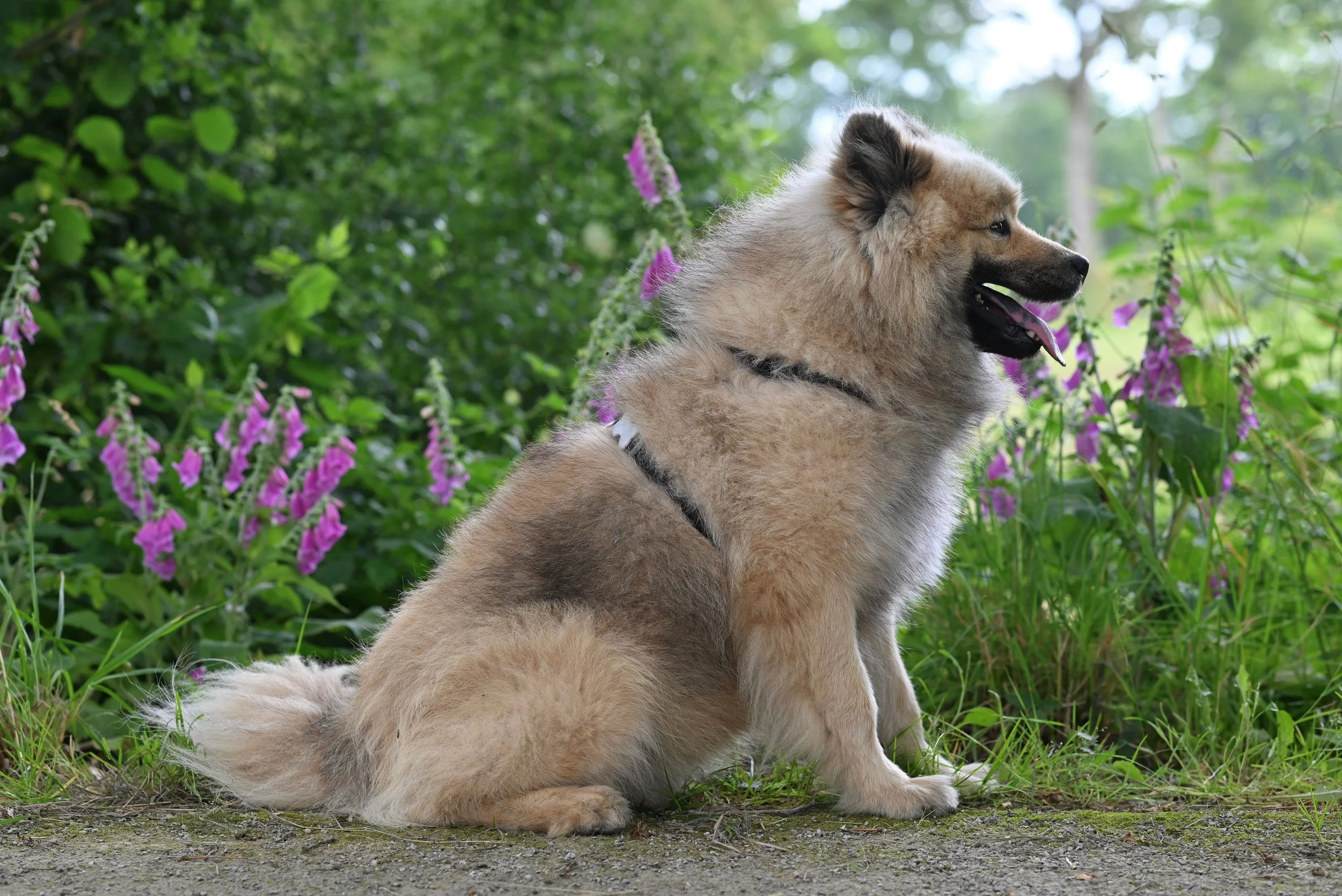
Double-coated breeds carry the highest risk when shaved. These include Siberian Huskies, Golden Retrievers, German Shepherds, Labrador Retrievers, Bernese Mountain Dogs, Corgis, Pomeranians, Samoyeds, and Alaskan Malamutes. Not all dogs should be shaved; while double-coated dogs are at the highest risk, some single coated breeds with long hair or short hair may do better with light trims or a summer haircut instead. If you are unsure whether your dog has a single or double coat, your wellness care provider can help you identify your dog’s coat type and advise on the right summer care routine based on your dog’s breed as well as coat type.
The Real Risks of Shaving Double Coated Dogs
Shaving a double-coated dog removes less fur-cooling benefit than many pet parents assume while exposing the skin directly to UV radiation, which significantly raises the risk of sunburn and long-term sun damage. Without the guard hair layer, the fur acts as a protective layer, and dogs with sensitive skin also become more vulnerable to insect bites, minor cuts, and bacterial skin infections because that barrier is no longer in place. According to Kika USA’s double coat care guide, shaving can cause more harm than good, and removes the coat’s precisely engineered structure that provides natural cooling, leaving dogs more vulnerable to overheating while simultaneously exposing their skin to UV rays, insect bites, and environmental irritants the coat was designed to block. In many dogs, excess undercoat may grow back faster than the outer coat after shaving, creating a patchy, uneven appearance.
Post-Clipping Alopecia: A Long-Term Consequence Worth Knowing
One of the most underreported risks of shaving double-coated dogs is a condition called post-clipping alopecia, also known as coat funk. According to the University of Minnesota’s Small and Large Animal Dermatology Handbook, post-clipping alopecia occurs when hair follicles stall after shaving and fail to regrow within the expected 3 to 4 month window, with some cases taking 12 to 24 months for full regrowth, and some dogs never fully recovering their original coat texture or density. The condition is most commonly seen in plush-coated Nordic breeds including Siberian Huskies, Samoyeds, Alaskan Malamutes, and Keeshonds, but can affect any double-coated breed. This is not a cosmetic inconvenience: the undercoat often grows back faster than the outer coat, creating a patchy, uneven coat that can permanently impair regrowth of the normal seasonal winter coat and compromise the dog’s ability to regulate temperature and protect their skin.
Does Shaving Reduce Shedding?
This is one of the most common reasons pet parents consider shaving, and the answer is no. Shedding comes primarily from the undercoat, and shaving does not remove excess fur in a way that stops shedding because the undercoat continues to cycle and release. In fact, shaving can stimulate the follicles to produce more undercoat than normal, resulting in shorter but more abundant loose hairs that are often harder to manage than the original shed. The only reliable way to reduce shedding volume and keep it manageable is consistent brushing and routine wellness care that removes loose fur before it builds up into matted fur.
What Actually Keeps Your Dog Cool in Summer
Effective summer comfort for dogs comes from a combination of consistent coat maintenance, environmental management, and timing adjustments, not coat removal. Brushing three to five times per week during summer removes the loose undercoat that traps heat closest to the skin, improves air circulation through the coat, and helps the dog cool naturally in hot weather. Bathing with a pH-balanced, dog-specific shampoo every three to four weeks removes accumulated debris, allergens, and dead skin cells that can make the coat feel heavy and dull. Cooling mats and vests designed for dogs help support body temperature without disrupting the coat’s natural cooling system. Trimming the fur between the paw pads can also help with evaporative cooling, since dogs have sweat glands in their paws.
Environmental and Routine Adjustments That Make a Measurable Difference
Walking your dog in the early morning or late evening, when pavement and air temperatures are lower, is one of the most effective adjustments pet parents can make during summer months. Providing consistent access to fresh water and shaded rest areas helps keep your dog hydrated and reduces heat stress meaningfully, and according to Trupanion data, heat stroke claims are 297% higher in summer months compared to the rest of the year, which puts the stakes of proactive management into clear perspective. Cooling mats, indoor rest during peak heat hours between 10 AM and 4 PM, and cool water for outings or after walks round out a summer routine that keeps your dog comfortable without touching their coat.
When Shaving Is Medically Appropriate
There are specific circumstances where a veterinarian may recommend shaving, and those recommendations should always be followed. For single-coated breeds, a summer trim can help, but they should not be shaved to the skin, and at least one inch of hair should remain to protect against ultraviolet rays, biting insects, sunburn, and skin cancer. At-home shaving can also injure your pet's hair and skin because clipper blades can get hot quickly, increasing the risk of clipper burns and skin damage. Severe matting that has become too dense and painful to brush out, preparation for surgery, or localized medical treatment of a recurring skin condition are all legitimate medical reasons for trimming or coat removal under the care of a professional. Outside of a direct veterinary recommendation, shaving for comfort or convenience is not a decision supported by veterinary dermatology, particularly for double-coated breeds. If you have any concern about your dog’s coat health or comfort, the right first step is a conversation with your vet, not a shave.
FAQ
My dog seems hot in summer. Isn’t shaving the obvious solution? It feels intuitive, but it works against your dog’s biology. A well-maintained double coat actively insulates against heat in summer and protects in cold weather, so less fur is not what keeps a dog comfortable in hot weather. The most effective response to summer discomfort is consistent brushing to remove loose undercoat, access to shade and fresh water, and adjusting walk timing to cooler parts of the day.
What breeds should never be shaved? Double-coated breeds, including Siberian Huskies, Golden Retrievers, German Shepherds, Labrador Retrievers, Samoyeds, Alaskan Malamutes, Corgis, Pomeranians, and Bernese Mountain Dogs, should not be shaved outside of a direct veterinary recommendation; a dog's breed and coat type determine whether only light trims are appropriate. If you are unsure whether your dog’s breed has a double coat, your wellness care provider can help you identify it.
What is post-clipping alopecia and how likely is it to happen? Post-clipping alopecia is a condition where hair follicles stall after shaving and fail to regrow on a normal timeline, sometimes taking 12 to 24 months, with some dogs never fully recovering their original coat. It is most common in plush-coated Nordic breeds but can affect any double-coated dog. There is no reliable way to predict which dogs will be affected before the shave occurs.
Will shaving my dog reduce the amount they shed? No. Shedding originates from the undercoat, which continues to grow and release regardless of whether the outer coat is present. Regular brushing and routine wellness care are the only reliable tools for managing shedding volume in summer.
How often should I brush my dog in summer to keep them comfortable? For double-coated and heavy-shedding breeds, three to five times per week during summer is the recommended baseline, with daily brushing during peak shed season providing the most consistent results. Not all dogs should be managed the same summer long, and if trimming is needed, keeping at least one inch of hair helps protect against ultraviolet rays and biting insects. Even shorter-coated breeds benefit from two to three sessions per week to remove loose fur and keep the coat clean and healthy.
Is there anything I can apply to my dog’s coat to help with summer heat? Stick to products recommended or approved by your vet or wellness care provider. Some pet parents use cooling sprays formulated specifically for dogs, but these should complement rather than replace brushing, bathing, and environmental management. Avoid applying human sunscreen or other non-dog-specific products to the coat or skin without veterinary guidance, and seek veterinary advice if you notice excessive panting despite cooling efforts.
Shaving your dog this summer might seem like a straightforward way to help them stay cool, but for most dogs, and especially double-coated breeds, it creates more problems than it solves. Consistent routine hygiene, proactive environmental management, and a wellness care schedule tailored to your dog’s coat type are the most effective and evidence-supported tools available. When in doubt, your vet or wellness care provider is always the right first stop.