
Summer Safety Tips for Dogs: What Do I Need to Know This Summer?
Summer is one of the highest-risk seasons for dogs, and most of the emergencies that happen are preventable with the right information. Heat stroke, paw pad burns, dehydration, and toxic plant or water exposure are the most common warm-weather threats, and all of them can escalate quickly once they begin. Knowing what to watch for, and what to do in the first few minutes, is what gives your dog the best chance of a safe summer.
Heat Stroke: The Risk Most Pet Parents Underestimate
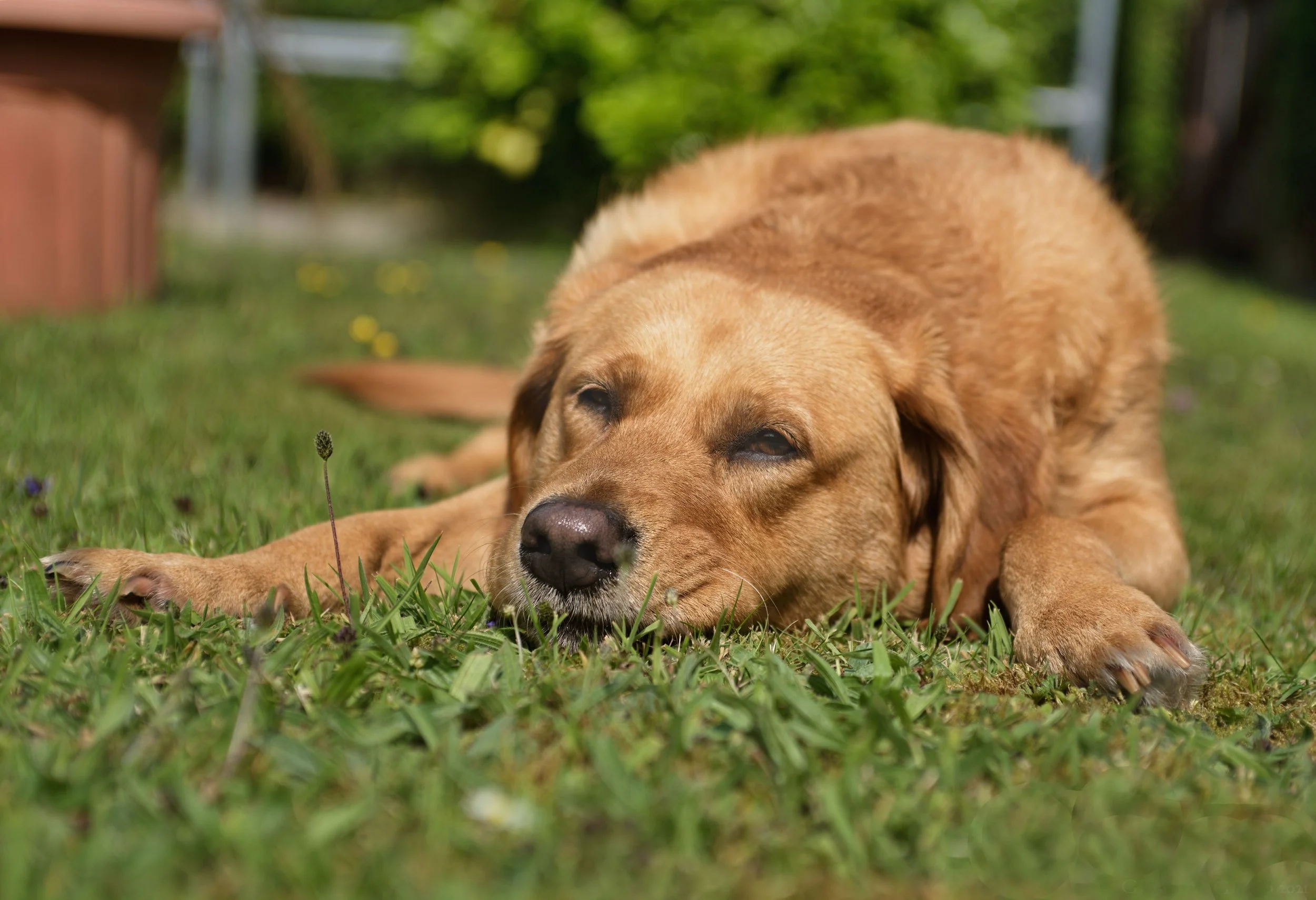
Dogs do not sweat the way humans do. They cool themselves almost entirely through panting, which becomes ineffective quickly when the air temperature is high or humidity is elevated. According to Trupanion insurance data, heat stroke claims are 297% higher in summer months compared to the rest of the year, with treatment costs averaging $1,664 per incident. Heat stroke is not a condition that resolves on its own, it is a medical emergency that requires immediate veterinary care.
The Early Signs of Heat Stroke Worth Knowing
Cornell University’s College of Veterinary Medicine identifies the early signs of heat stroke as heavy panting, excessive panting, excessive drooling, vomiting, diarrhea, weakness, and collapse. Bright red or very pale gums, along with difficulty breathing, are particularly reliable visual indicators that your dog’s body temperature has risen to a dangerous level. A dog’s body temperature above 104°F constitutes a heat stroke emergency.
What to Do If Your Dog Overheats
Acting quickly and correctly in the first few minutes makes a meaningful difference in outcomes. Move your dog to a shaded or air-conditioned space immediately, offer small sips of cool water, and gently apply cool —not ice-cold— water to the groin, armpits, and paw pads to gradually lower their body temperature. According to DVM360, using ice or cold water on the body can cause shock and should be avoided, and wet towels draped over the dog can trap heat rather than release it.
When to Head Straight to the Vet
If your dog is not improving within a few minutes of cooling efforts, is losing coordination, is having seizures, or has gums that are white or blue rather than pink, this is a full emergency. Do not wait to see if they improve at home. Call your veterinary clinic or emergency animal hospital on the way so they can prepare to receive your dog.
Hot Asphalt, Pavement, and Paw Pad Burns
Pavement and asphalt absorb significantly more heat than the surrounding air temperature suggests. When the air temperature is 86°F, asphalt in direct sun can reach 135°F, and at 90°F, surface temperatures can climb to 140°F, hot enough to cause burns in under 60 seconds. Trupanion data shows burned paw pad claims peak every year in July, making this one of the most consistently documented and preventable warm-weather injuries in dogs. The most reliable real-world test is placing the back of your hand flat on the pavement for 7 seconds: if you cannot hold it there comfortably, the surface is too hot for your dog's paws.
Safer Walking Habits in Summer
Walking your dog during the cooler times of day, especially in the early morning or evening hours, when pavement has had time to cool, is the single most effective adjustment most pet parents can make during summer months. The hottest part of the day is usually the late afternoon, around 3 p.m. to 5 p.m., so try to avoid walks and skip strenuous exercise during that window. Sticking to grass, dirt trails, or shaded surfaces during midday heat reduces burn risk significantly. Rinsing paws after every walk removes surface irritants including allergens, lawn chemicals, and pesticide residue, and a brief paw check between each toe catches foreign bodies and early redness before they develop into a larger issue. When you head out, bring a portable water bottle and a collapsible water bowl.
Never Leave Your Dog in a Parked Car
This is not a guideline with exceptions: a hot car is dangerous fast. A car parked in 70°F weather can reach 90°F in under 10 minutes and climb to 100°F or higher within 20 minutes, even with the windows cracked. Even with the windows down, a parked or hot car can become dangerous fast and lead to heatstroke. During car trips, secure your dog in a travel crate or a pet seat-belt harness to reduce the risk of physical injury in sudden stops or accidents. If you need to run an errand where your dog cannot come with you, leaving them at home is always the safer choice.
Water Safety: Lakes, Pools, and Blue-Green Algae
Not all water is safe for dogs to swim in or drink from. Blue-green algae, which blooms in warm, slow-moving bodies of freshwater during summer, is toxic to dogs and can cause liver failure within hours of exposure. The blooms are not always visible, and even a small amount of water ingested while swimming is enough to cause serious illness. If your dog has been in a body of water and is showing vomiting, lethargy, seizures, or yellowing of the skin within a few hours, contact your vet immediately and mention potential algae exposure.
Pool Safety for Dogs
Pools present a different set of risks, specifically drowning and chlorine ingestion. Not all dogs are natural swimmers, and even strong swimmers can panic and struggle to find the exit if they fall in unexpectedly. Introduce your dog to pool entry and exit points intentionally before allowing unsupervised pool time, and rinse your dog with clean water after swimming to remove chlorine residue from their coat and skin. Dogs who drink pool water regularly can experience gastrointestinal upset from chlorine accumulation, so to keep pets safe around the pool in high temperatures, fresh drinking water should always be nearby and easy to reach.
Summer Foods and Backyard Hazards to Know
Summer gatherings introduce a range of safety tips for pets worth reviewing before the season begins. Corn on the cob, grapes, onions, garlic, xylitol (found in sugar-free products), and cooked bones are among the most commonly ingested summer hazards for dogs. Fertilizers, pesticides, and certain flowering plants including azaleas, oleander, and sago palm are also highly toxic and more accessible during the warmer months when gardens are in full use. Fleas, ticks, and mosquitoes are also common summer hazards, and pet parents should ask a veterinarian about prevention that fits the animal's lifestyle. Check pets for fleas and ticks after outdoor activity. Knowing what is in your yard and keeping human food securely out of reach are the most reliable preventive measures during backyard gatherings. Double-coated dogs should not be shaved in warmer weather because their coat also helps insulate against heat.
FAQ
How do I know if my dog is dehydrated in summer? The most reliable at-home check is the skin tent test: gently pinch the skin at the back of your dog's neck and release it. In a well-hydrated dog, the skin springs back immediately. Slow return or skin that stays tented is an indicator of dehydration. Dry gums, sunken eyes, and lethargy are additional signs that warrant a vet call.
What breeds are most at risk for heat stroke? Brachycephalic breeds, those with short muzzles including Bulldogs, Pugs, French Bulldogs, and Boston Terriers, are at the highest risk because their airway structure makes panting less efficient as a cooling mechanism. Older dogs, overweight dogs, and dogs with existing heart or respiratory conditions are also at elevated risk and should be monitored more carefully during heat events.
Can my dog get sunburned? Yes, particularly dogs with light-colored or thin coats and pink skin on their nose, ears, or belly. Repeated sun exposure in these areas can lead to skin damage over time. Pet-safe sunscreen applied to exposed areas before outdoor time is a practical and underused protective measure, but always confirm with your vet that the product you choose does not contain zinc oxide or para-aminobenzoic acid, both of which are toxic to dogs.
Is it safe for my dog to drink from puddles or outdoor water sources? Generally no, particularly in summer. Standing water can harbor bacteria, parasites like Giardia, and in warm weather, toxic blue-green algae. Bringing fresh water from home and offering it regularly during outdoor time is the safest approach and also helps prevent dehydration-driven drinking from unknown sources.
How much water should my dog drink in summer? A general guideline is approximately 1 ounce of water per pound of body weight per day, with more needed on hot days or after exercise. If your dog is consistently reluctant to drink, try adding a small amount of low-sodium broth to their water or offering ice cubes made from diluted broth as an alternative way to increase fluid intake.
Should I change my dog's exercise routine in summer? Yes. Limiting strenuous outdoor exercise to early morning and late evening is the most effective adjustment during peak summer heat. Shortening the duration of walks on very hot or humid days, replacing outdoor activity with indoor enrichment like puzzle toys or training sessions, and watching your dog's energy and breathing closely during any outdoor time are all practical ways to keep them active without increasing their heat risk.
Summer with your dog should be enjoyable, and it can be with a few consistent habits in place. The pet parents who navigate summer most successfully are the ones who know their dog's baseline, recognize the early warning signs of heat-related illness, and act quickly when something changes. A little preparation at the start of the season goes a long way toward keeping your dog safe, comfortable, and healthy through it.