
Is Dog Drooling a Concern? A Simple Guide for Dog Parents
Whether your dog's drooling is a concern depends almost entirely on whether it is normal for them specifically, or whether something has changed. Some dogs drool as a baseline part of their anatomy, and for those dogs, consistent drooling is not a warning sign. When drooling increases beyond your dog's established baseline, appears suddenly in a dog that does not typically drool, or comes paired with other symptoms, it becomes a signal worth taking seriously.
What Normal Drooling Actually Looks Like
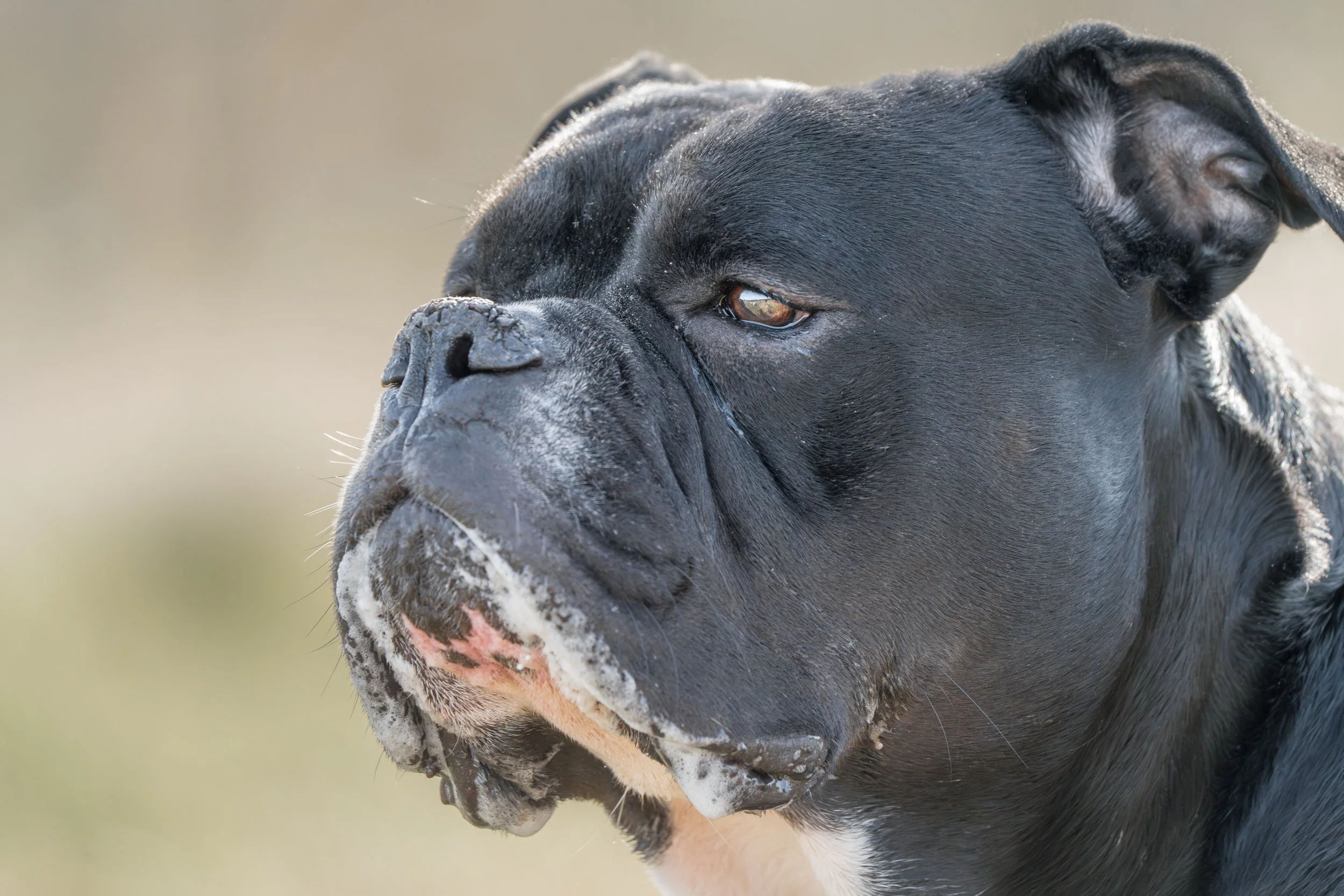
Dogs produce saliva continuously to support digestion, protect their teeth, and keep their mouth comfortable; a dog's saliva also helps maintain oral health and support the digestive process. Brief, situational drooling, triggered by smelling food, the sound of a dog food bag opening, excitement, mild car nausea, or warm weather, is completely normal and typically clears within a few minutes once the trigger is removed. Panting can let excess saliva pool and spill out, so some drooling in heat or after exertion can be normal. The key distinction is duration and context: normal drooling may happen with food anticipation, excitement, or breed anatomy, while abnormal drooling is persistent, unprompted, or noticeably heavier than the dog's usual baseline.
Breeds That Drool More by Design
Certain breeds are anatomically built to drool more than others, and for them, consistent slobbering is not a health concern. Some breeds naturally drool because their mouth shape and loose jowls do not effectively hold saliva, so breeds drool at different levels; Saint Bernards, Bloodhounds, Mastiffs, Newfoundlands, Bulldogs, and Bernese Mountain Dogs are all dogs prone to heavier slobber. If you have a jowly breed, your baseline expectation for drooling should be calibrated to that breed’s norm, and changes are still worth monitoring even against that higher baseline.
Severe Dental Disease: The Most Overlooked Driver of Drooling
One of the most common medical causes of increased drooling in dogs is dental disease, and it is frequently missed because dogs rarely show obvious signs of oral pain until the condition is already advanced. Cornell University’s College of Veterinary Medicine notes that studies show 80 to 90% of dogs over the age of three have some component of periodontal disease, and that drooling, pawing at the mouth, mouth odor, and reluctance to chew are all signs the disease has already progressed. Tartar buildup, inflamed gums, abscessed teeth, and oral infections are common dental problems; tartar accumulation traps bacteria and can progress into more severe dental issues that cause excessive salivation as a response to irritation and pain. Severe dental disease, broken teeth, mouth injury, or oral tumors can trigger excessive salivation through pain and inflammation, and injuries or growths in the mouth can also signal urgent causes of drooling that need prompt veterinary attention.
How to Spot Dental-Related Drooling Early
Drooling linked to dental disease is often accompanied by bad breath that is stronger than usual, visible yellow or brown buildup along the gum line, a decreased appetite, signs that a dog may drop food, or trouble swallowing food because of oral pain. According to the AKC,pet parents who brush their dog’s teeth daily and schedule annual dental wellness visits with their vet are significantly better positioned to catch oral disease before it reaches the stage where drooling becomes one of the symptoms. With periodontitis, bony tissue deteriorates around the teeth, which is why advanced cases become so painful. The earlier oral disease is identified, typically within the first few months of development, the more straightforward the treatment and the lower the risk of secondary complications, making it easier to identify and treat the underlying cause before dogs lose appetite gradually or change their eating routine because chewing becomes uncomfortable.
Nausea, Stomach Upset, and Motion Sickness
Nausea is one of the most consistent triggers of sudden, unexpected drooling in dogs, and an upset stomach is a common reason this happens. When a dog feels nauseous, their salivary glands produce excess saliva in preparation for potential vomiting, which is why drooling often precedes or accompanies stomach upset, whether from motion sickness, dietary indiscretion, short-term stressors like greetings, fireworks, or car rides, or a gastrointestinal condition. According to PetMD, nausea-related drooling is typically accompanied by a loss of appetite, restlessness, or vomiting, and a vet call is appropriate if those symptoms appear together or last more than a few hours. If drooling keeps happening alongside gulping, neck extension when swallowing, reduced appetite, or behavior changes, it can point to more serious issues, and you should consult your Vet.
What Motion Sickness Drooling Looks Like
Motion sickness is one of the more manageable causes of drooling and tends to be easy to identify because it is consistently tied to car rides or travel. Dogs who drool in the car but return to normal within minutes of stopping are almost certainly experiencing motion-related nausea rather than a systemic health issue. If car-related drooling is frequent or distressing for your dog, your vet can discuss desensitization strategies and, if needed, anti-nausea medication to make travel more comfortable.
When Excessive Drooling in Dogs Is a Medical Emergency
Some causes of sudden, heavy drooling are a life threatening emergency, not just a reason for urgent care or a same-day appointment. According to the GSVS Veterinary Emergency service, excessive drooling in dogs is especially concerning when the drooling accompanied difficulty breathing, inability to swallow, facial swelling, signs of suspected toxin ingestion, neurological symptoms including seizures or loss of coordination, heavy panting, collapse, extreme lethargy, or discolored gums; these warning signs and severe symptoms can point to a life threatening problem that needs prompt veterinary care right away. Toxin exposure in particular, from certain plants, household chemicals, human medications, xylitol, or chocolate, can cause sudden, profuse drooling as one of the earliest signs before more serious symptoms develop. Heavy drooling can also happen when a dog produces excessive saliva while trying to cool down through evaporation, which may signal heatstroke rather than harmless panting. Drooling accompanied by difficulty breathing or facial swelling can also reflect a severe allergic reaction and needs immediate veterinary care. Major medical problems, including kidney disease or heatstroke, can disrupt internal systems and lead to drooling, and bloat is another life threatening emergency that needs immediate evaluation.
Additional Red Flags and Other Concerning Symptoms Worth Knowing
Several other patterns indicate drooling has moved beyond routine. Other concerning symptoms also include changes in the drool itself, since normal saliva is clear and watery, while excessive saliva that is blood-tinged, yellow, green, thick, ropey, frothy, or sticky can signal internal problems. Drooling paired with bloated or distended abdomen, retching without producing vomit, pale or bluish gums, or significant behavioral changes including withdrawal, lethargy, or aggression can all point to conditions that worsen rapidly without treatment.
Anxiety and Stress as Drooling Triggers
Anxiety-driven drooling is typically short-lived and tied to a specific trigger, such as thunderstorms, fireworks, separation, or unfamiliar environments. Dogs who pant heavily when stressed may also drool more as a secondary effect of rapid mouth breathing.
When Anxiety-Related Drooling Becomes a Pattern
Drooling that only occurs during specific stressful events and resolves once the trigger passes is generally not a medical concern on its own, though it is a useful indicator of your dog's anxiety level. If stress-related drooling is frequent, intense, or accompanied by other behavioral signs including destructiveness, pacing, or house soiling, discussing anxiety management options with your vet is worthwhile. Addressing underlying anxiety early tends to produce better and faster outcomes than waiting until the behavior becomes entrenched.
FAQ
My dog never drools and suddenly started. Should I be worried? Yes, a sudden onset of drooling in a dog with no history of it is a meaningful change that warrants a vet call, particularly if it is heavy, continuous, or comes with any other symptom including gagging, pawing at the mouth, or behavioral shifts. Same-day contact with your vet is appropriate.
Can stress or anxiety cause my dog to drool? Yes, but typically in a short-lived, context-specific way. If your dog drools during a car ride or a thunderstorm and returns to normal within minutes of the stressor passing, anxiety is a likely explanation. Drooling that persists beyond the stressor or is accompanied by other symptoms should be evaluated medically.
How do I know if my dog’s drooling is dental-related? Dental-related drooling is often accompanied by other oral signs including persistent bad breath, visible tartar buildup, reluctance to chew, or pawing at the mouth. A dental exam by your vet, which should be part of your annual wellness visit, is the most reliable way to confirm whether oral disease is present.
Is drooling more dangerous in certain breeds? Breed affects baseline drooling levels, not necessarily risk. Jowly breeds like Mastiffs and Saint Bernards drool more by anatomy, but any significant increase beyond their individual baseline, or drooling in a breed that does not typically do so, is worth investigating regardless of breed.
How often should I have my dog’s mouth checked by a vet? Annual dental wellness exams are the standard recommendation for adult dogs, with twice-yearly exams for seniors. Between appointments, routine hygiene care helps maintain your pup's oral care and catch potential issues before they begin. This article does not constitute medical advice, and persistent or worsening signs should always be assessed by a veterinarian.