
Dog Won't Stop Licking Their Paws: What's Normal and What's Not
If your dog won’t stop licking their paws, allergies are the most likely cause, and the behavior is almost always a symptom of an underlying issue rather than a habit your dog has picked up. Dogs lick their paws as part of their normal care, but excessive licking can indicate a problem that needs attention. The sooner you identify the cause, the easier it is to stop the cycle before secondary problems develop.
Common reasons dogs lick include allergies (such as environmental, food, or contact allergies), parasites, and stress.
Symptoms of dog paw allergies often include itching between the toes, redness, irritation, and can lead to excessive licking and chewing.
It’s important to pay attention when dogs lick their paws frequently, as this behavior can signal underlying health issues that require proper diagnosis and treatment.
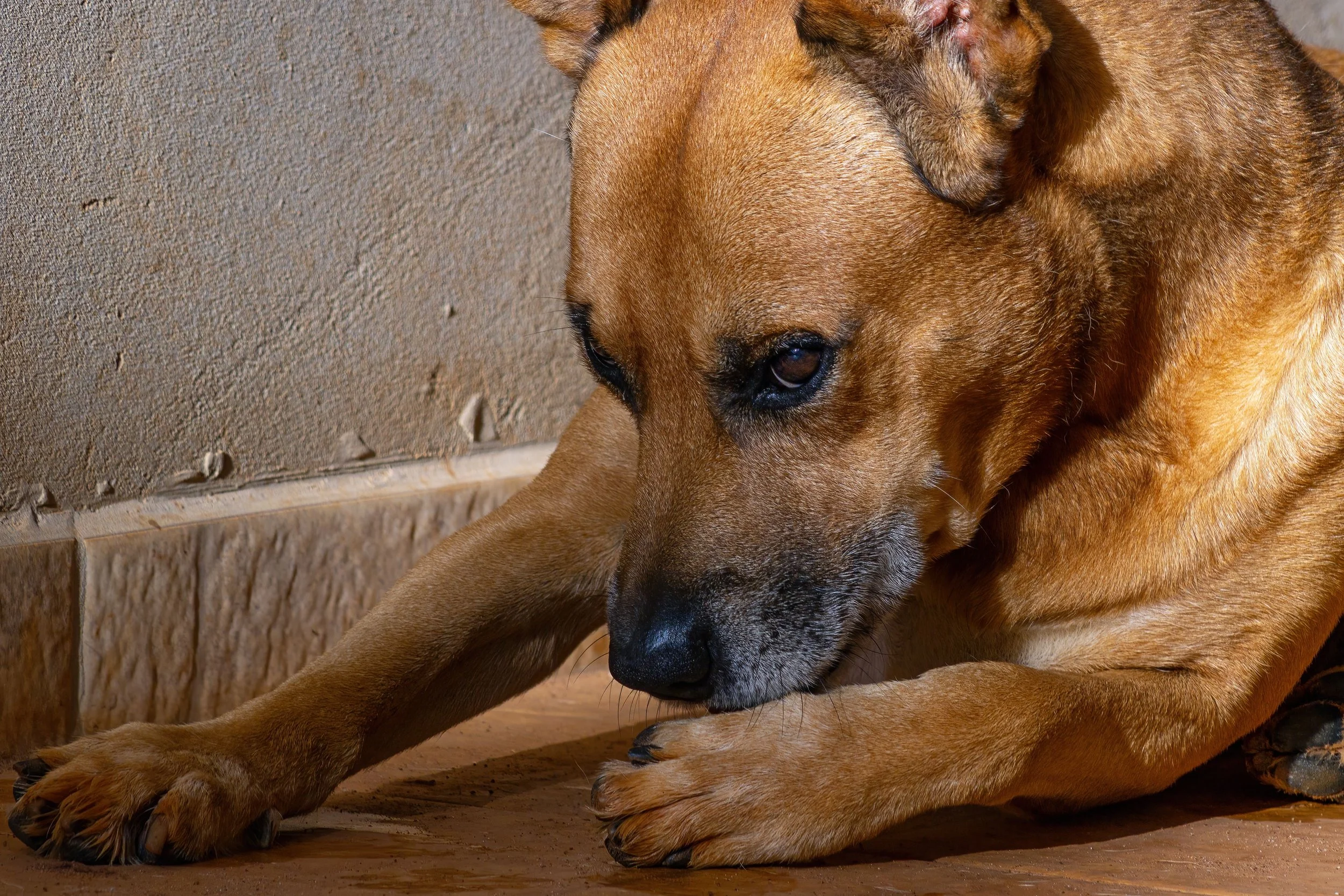
Why Paw Licking Becomes a Problem
When a dog licks their paws repeatedly, constant licking can escalate the behavior, breaking down the skin barrier and creating warm, damp conditions where bacteria and yeast thrive. According to Vetster, heat, moisture, and abrasion from repeated or excessive licking can damage the skin barrier, allowing secondary bacterial or yeast infections to develop and worsening the original itch. This feedback loop, where excessive licking causes infection, and infection causes more itching, is why paw licking left unaddressed tends to escalate rather than resolve on its own. Excessive paw licking can also become a compulsive behavior in dogs, often a response to stress or anxiety, and can lead to further skin irritation and infections if left unchecked.
The Difference Between Normal and Excessive Paw Licking
Normal paw licking is brief and occasional, typically occurring after a walk or outdoor activity. When a dog paws excessively—licking frequently, interrupting play or rest, and focusing on one or both paws persistently—it can lead to visible signs like redness, swelling, brown salivary staining on the fur, or a musty odor between the toes. If your dog is stopping mid-activity to lick, licking at night, or returning to the same paw repeatedly throughout the day, that pattern warrants a closer look.
Veterinarians formally refer to paw inflammation as pododermatitis, and treatment is based on identifying the specific root cause of the excessive licking.
Allergies: The Most Common Driver of Paw Licking
Allergies are the leading medical cause of chronic paw licking in dogs, specifically environmental allergies and food allergies. Dogs can develop allergies to common allergens such as food, grass, or chemicals, which trigger an allergic reaction that can result in itchy paws, redness, irritation, and sometimes watery eyes. Cornell University’s College of Veterinary Medicine notes that atopic dermatitis, an inflammatory allergic skin condition, may affect 10 to 15% of the dog population, with paw licking and chewing among the most consistent early presenting signs. Allergies, localized injuries, fungal or bacterial infections, parasites, and behavioral issues like anxiety are also common causes of excessive paw licking in dogs.
How to Tell If Allergies Are Causing the Licking
Allergy-related paw licking often follows a seasonal pattern, worsening in spring and fall when environmental allergens peak, then improving during other months. Licking that is consistent year-round, regardless of season, is more likely to have a food allergy component or a concurrent infection. In addition to excessive licking, watch for other signs of allergies such as redness, inflammation, watery eyes, patches of hair loss, sores, hot spots, or infections. Brown or rust-colored staining on the fur between the toes, caused by saliva contact over time, is one of the clearest visible indicators that paw licking has been happening consistently, often before pet parents realize the extent of it.
Other Medical Causes Worth Ruling Out
Allergies are not the only medical explanation for persistent paw licking. Bacterial or yeast infections can develop independently or as secondary complications of licking, and both require veterinary diagnosis and treatment to resolve. Parasites, including fleas, mites, and ticks, can cause intense itching and lead to excessive licking or biting, especially around the dog's toes, where issues like interdigital warts, cysts, and parasite bites often occur. Environmental factors and seasonal changes may lead to cracked paw pads, which can further prompt licking and discomfort. Persistent licking can also result in open sores, increasing the risk of infection and complicating healing. Pain, including arthritis, a foreign object lodged between the toes, a cracked pad, or a nail injury, can also produce focused licking on a single paw that appears suddenly without other skin symptoms. Identifying the exact cause of your dog's paw issues with a visit to your vet is crucial for effective treatment. Using protective measures such as booties or paw balms can help shield your dog's paws from allergens and irritants, especially for those with sensitive skin.
When Sudden Single-Paw Licking Points to Injury
According to the AKC, sudden onset licking focused on one paw specifically is most often a sign of pain or a physical issue, such as a thorn, splinter, insect sting, or developing wound, rather than an allergy. Checking the affected paw carefully for debris, swelling, heat, or visible cuts is the right first step before assuming the cause is systemic. If nothing is visible but the licking continues beyond 24 to 48 hours, a vet exam is the appropriate next step to prevent further damage. If licking persists for more than a few days or if the skin appears red, raw, or bleeding, a professional veterinary visit should be scheduled.
Anxiety and Behavioral Causes
Stress and anxiety, including separation anxiety, are less common drivers of paw licking than medical causes, but they are real contributors in a meaningful percentage of dogs. Dogs may begin licking their paws obsessively, or even nonstop, as a self-soothing behavior during periods of change, separation, under-stimulation, or chronic low-grade stress, which can lead to irritated paws if the behavior is not addressed. Key behavioral indicators include licking that occurs primarily when alone or at night, a new-onset that coincides with a household or routine change, and licking that does not produce any visible skin changes even after weeks of behavior.
Why Behavioral and Medical Causes Are Often Confused
Pet parents frequently assume paw licking is anxiety-driven when it is actually allergic in origin, a misidentification that can delay appropriate treatment by weeks or months. Vetster notes that this assumption is one of the most common reasons treatment for the underlying allergic disease is delayed, as pet parents manage the behavior rather than addressing the physical cause. The most reliable way to distinguish between the two is through veterinary care, including a veterinary consultation that rules out skin disease, infection, and pain before behavioral causes are explored.
Using protective booties or paw balms can also help reduce exposure to allergens and irritants, especially for dogs with sensitive skin.
What You Can Do at Home While Waiting for a Vet Appointment
There are several practical steps worth taking before or alongside a vet visit. First, always keep your dog's paws clean and dry after every outdoor outing by rinsing with clean water and wiping them with a clean cloth, especially before bedtime, to prevent itchiness and infections. For early intervention, consider home remedies such as applying soothing natural treatments like coconut oil or diluted apple cider vinegar to moisturize and reduce irritation, which can provide relief and help your dog find relief from discomfort. If your dog has sensitive skin, use gentle products like medicated shampoos and paw balms to soothe and protect irritated areas, and maintain hydration and protective measures to prevent and repair cracked paw pads. It's also important to maintain a regular flea prevention routine to avoid infestations that can worsen paw licking, especially in dogs with sensitive skin.
To address boredom or anxiety-driven licking, ensure your dog receives adequate mental stimulation and physical stimulation through daily exercise, interactive play, enrichment toys, and chew toys. These activities help keep your dog engaged and reduce compulsive behaviors. Keep a simple daily log of when licking occurs, which paw or paws are involved, and whether there are any seasonal, dietary, or environmental patterns. Even three to five days of notes gives a vet significantly more diagnostic clarity. If licking is causing visible redness or broken skin, a recovery cone worn consistently prevents self-trauma while you work toward a diagnosis.
Routine Wellness Care That Reduces Paw Licking Risk
Consistent routine hygiene is one of the most accessible preventive measures a pet parent can use. Regularly checking and caring for your dog's paw pads is essential, as trimming the fur between the toes helps reduce moisture retention and makes it easier to spot early signs of redness, dryness, or debris that can irritate the paw. Briefly inspecting your dog's paw after each walk—running a finger between each toe and across the paw pads—takes under a minute and can catch foreign bodies, early hot spots, and developing infections before they cause your dog to start licking his paws or licking his paws constantly due to irritation or discomfort. If your dog continues to lick his paws or shows signs of irritation despite your efforts, seek further advice from your veterinarian.
FAQ
Is it normal for my dog to lick their paws every day? Brief, occasional paw licking after a walk is within normal range. Daily licking that is frequent, prolonged, or produces visible skin changes, including redness, staining, or odor, is beyond normal and warrants a veterinary evaluation to identify the underlying cause.
Can food cause my dog to lick their paws? Yes. Food allergies can cause itchiness that primarily affects the paws, ears, and belly. An elimination diet trial under veterinary guidance, typically lasting 8 to 12 weeks, is the most reliable way to identify or rule out a food allergy when environmental causes have been addressed and licking persists year-round.
My dog only licks their paws at night. What does that mean? Nighttime licking is often linked to anxiety or under-stimulation, particularly if your dog is otherwise inactive in the evenings. It can also reflect an itch cycle that intensifies when your dog is at rest and not distracted. Noting the timing consistently and sharing that pattern with your vet helps narrow down whether the cause is behavioral or physical.
How long does it take for paw licking to resolve once the cause is treated? It depends on the underlying cause. Licking driven by a superficial infection often improves within one to two weeks of appropriate veterinary treatment. Allergy-related licking requires ongoing management and may take four to eight weeks of treatment before significant improvement is visible. Behavioral licking linked to anxiety typically improves over several weeks with consistent enrichment and, in some cases, veterinary behavioral support.
Paw licking is one of the most common concerns pet parents bring to their vet, and one of the most consistently misread. The behavior itself is rarely the problem; it is the signal. Knowing your dog’s baseline, catching pattern changes early, and getting a veterinary diagnosis before the cycle has a chance to escalate are the most reliable ways to keep your dog comfortable and your wellness care routine one step ahead of the issue.