
Summer Hygiene Dogs Parents Miss: Tips Most Dog Parents Overlook
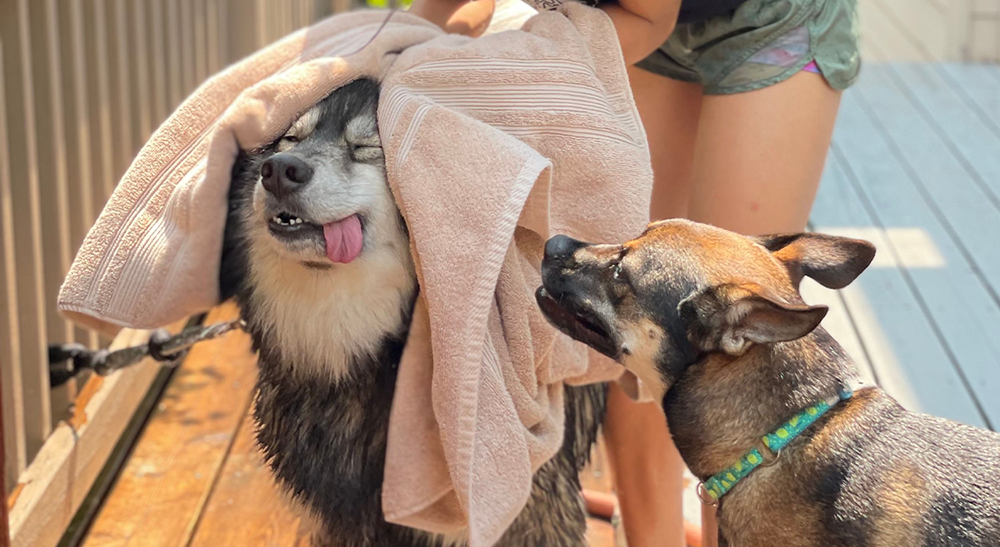
Most dog parents think about heat and hydration in summer, but may not realize that dogs rely on panting to regulate their body temperature, making them more susceptible to heat exhaustion and dehydration during hot weather. The wellness care gaps that cause the most problems tend to be quieter ones: ears that stay damp after a swim, paws that make contact with pavement reaching temperatures that can cause burns in under 60 seconds, and coats that trap heat and moisture close to the skin. Summer changes your dog’s environment significantly, and because dogs do not sweat like humans and can overheat quickly, monitoring their body temperature is critical and the hygiene routine that worked in cooler months often needs to be adjusted to match it.
Introduction to Summer Safety Tips
As the days get longer and temperatures climb, summer brings a whole new set of challenges and opportunities for dog parents. While the season is perfect for outdoor fun and bonding, it also means extra vigilance is needed to keep your dog cool and comfortable. Summer safety tips are more than just a checklist—they’re essential for preventing heat-related issues, managing seasonal allergies, and protecting your dog’s coat and paws from the unique stresses of the season. By staying proactive and focusing on your dog’s needs, you can ensure that every summer adventure is safe, healthy, and full of fun for both you and your best friend.
Why Summer Changes Your Dog's Hygiene Needs
Warm weather, increased outdoor activity, water exposure, and higher humidity all create conditions that accelerate the growth of bacteria and yeast on your dog’s skin, in their ears, and between their paw pads. The combination of heat and humidity also creates an ideal environment for pests like fleas and fungi to thrive, making consistent hygiene care essential. Moisture that would evaporate quickly in dry conditions lingers in summer, making areas like skin folds, ear canals, and the spaces between toes significantly more prone to infection. Pet parents who maintain the same routine year-round without adjusting for seasonal conditions are more likely to catch these issues after they have already become uncomfortable for their dog. Regularly cleaning bedding and mats is crucial during summer to reduce the risk of fleas and other pests infesting your dog's environment.
The Hygiene Areas Most Commonly Overlooked in Summer
The five areas that see the highest rate of summer-related wellness issues are ears, paws, skin and coat, teeth, and the areas between paw pads and under skin folds. Certain parts of a dog's body, such as the belly and other sun-exposed areas, are especially vulnerable to sunburn and need extra attention during summer. Additionally, a dog's breed can influence which hygiene areas require the most attention, as some breeds are more prone to heat sensitivity or seasonal coat changes. Ears and paws are the most commonly missed because they look fine on the surface even when moisture or debris has already started causing problems internally. Building a quick post-outing check into your daily routine, covering all five areas, takes less than five minutes and catches the majority of early-stage issues before they require a vet visit.
Ears: The Most Underestimated Summer Risk
According to Trupanion claims data, ear infections in dogs increase by 15% during the late summer months, driven largely by water exposure from swimming, sprinklers, and outdoor play. Dogs with floppy ears, including Basset Hounds, Cocker Spaniels, and Labrador Retrievers, are at greater risk for ear infections during summer because their ear flaps trap moisture against the canal rather than allowing it to evaporate. Drying your dog’s ears gently with a clean towel within 30 minutes of any water exposure is one of the single most effective preventive steps you can take during the summer months. Consulting an expert for thorough ear cleaning can also help prevent infections, especially for dogs prone to ear issues.
How to Check and Clean Ears Safely at Home
A healthy ear should be light pink, odorless, and free of visible debris or discharge. A dark discharge, yeasty smell, or your dog shaking their head repeatedly after being in water are all early indicators that moisture has created an environment where bacteria or yeast are starting to grow. Using a veterinarian-approved ear cleaning solution once a week during peak swim season, applied with a cotton ball rather than a cotton swab, removes debris from the outer canal without risking damage deeper inside.
Paws: The Summer Hazard Most Parents Underestimate
Asphalt and concrete absorb and retain heat far beyond what the air temperature suggests. When the air is 86°F, asphalt in direct sunlight can reach 135°F, and at 90°F, surface temperatures can climb to 140°F, hot enough to cause burns in under 60 seconds. It is recommended to limit outdoor time for dogs during peak heat hours, typically between 10 a.m. and 4 p.m., to reduce the risk of paw burns and overheating. According to Trupanion insurance data, burnt paw pad claims peak every year in July, with treatment costs averaging hundreds of dollars per incident. The 7-second test is the most reliable real-world check: place the back of your hand flat on the pavement, and if you cannot hold it there comfortably for a full 7 seconds, the surface is too hot for your dog’s paws. To help prevent overheating, dogs can cool down by using cooling mats or damp towels, which help lower their body temperature naturally during hot weather.
Paw Pad Wellness Care Between Walks
Beyond burn prevention, summer paws need consistent attention after every outing. Fleas and ticks are more prevalent in summer and can affect your dog's paws, making consistent preventive measures essential. Using vet-recommended flea and tick prevention products is crucial to keep your dog's paws and overall health protected. Rinsing paws after walks removes allergens, pesticides, lawn chemicals, and road salt residue that dogs can ingest while licking. Checking between the toes for debris, seeds, or early signs of redness takes less than a minute and catches small foreign bodies before they work their way deeper into the tissue. Applying a paw balm two to three times per week keeps pads supple and reduces the risk of cracking, which creates open entry points for bacteria during the months when your dog’s paws are most active.
Coat and Skin: More Frequent Attention, Not Less
A common misconception is that summer requires less coat maintenance because the weather is warmer. In practice, the opposite is true. Increased outdoor activity means more contact with allergens, dirt, parasites, and surface irritants, and a coat that is not brushed regularly traps moisture and debris close to the skin where it accelerates the development of hot spots and fungal conditions. Brushing three to five times per week during summer removes loose fur and excess fur, improves airflow to the skin, and helps prevent overheating. Regular brushing also gives you frequent, close contact with your dog’s coat, which plays a crucial role in protecting against environmental factors like sun exposure, dryness, and irritants. Keeping your dog's coat healthy is an important indicator of overall health; regular hygiene and good nutrition are key to maintaining both the coat and your dog's skin. Poor nutrition can lead to a dull coat, dry skin, and excessive shedding, so a balanced diet is essential for optimal coat and skin health. Additionally, dogs with light coats, thin fur, or exposed skin are at greater risk of sunburn, especially on the nose, ears, and belly, and need extra protection during summer.
Bathing Frequency in Summer
Dogs who are active outdoors in summer typically benefit from bathing every three to four weeks rather than the standard four to six week interval. A pH-balanced, dog-specific shampoo removes accumulated allergens and bacteria without stripping the skin's natural protective oils. After bathing, drying your dog thoroughly before they go outside again, particularly in humid conditions, is important because a damp coat held close to the skin in warm weather is one of the most reliable conditions for hot spot development.
Dental Health: The Summer Wellness Step Most Parents Skip
Dental disease affects an estimated 80% of dogs by age three, according to the American Veterinary Medical Association, and summer is one of the lowest points for routine dental care because pet parents are busy and dogs are spending more time outdoors. Consistent teeth brushing three to four times per week, or daily where possible, using a dog-specific toothpaste, is the most effective at-home tool for preventing plaque buildup and the gum inflammation that precedes more serious dental disease. Catching early signs of dental issues, including persistent bad breath, yellow or brown buildup at the gum line, or reluctance to chew, within the first few weeks of their appearance, gives your vet the best possible window for intervention before the issue requires a more involved procedure.
Keeping Your Dog Cool in Hot Weather
When the summer heat is on, keeping your dog cool becomes a non-negotiable part of daily care. Pet parents should always provide access to fresh water and shaded areas, especially during outdoor activities. Avoid walking your dog on hot pavement, as it can burn sensitive paw pads in seconds—dog booties or a layer of paw wax can offer extra protection. Regular wellness care helps keep your dog’s coat healthy and allows for better airflow, making it easier for your pup to stay cool. Never leave your dog in a hot car, even for a few minutes, as temperatures can become life threatening faster than you think. With a few simple adjustments, you can help your dog beat the heat and enjoy every summer day safely.
Managing Seasonal Allergies
As temperatures rise, many dog parents notice their pups dealing with itchy skin, excessive panting, or more frequent scratching—classic early signs of seasonal allergies. Summer brings a surge in pollen and other allergens, which can trigger skin issues and discomfort. Regular grooming, including brushing and ear cleaning, helps reduce allergen buildup and keeps your dog’s skin healthier. Using air conditioning or fans at home can minimize pollen and dust exposure, creating a more comfortable environment. If you spot signs like persistent licking, scratching, or changes in your dog’s coat, consult your vet for tailored advice. Staying alert to early signs and maintaining a clean environment can make a big difference in your dog’s comfort all season long.
FAQ
How often should I clean my dog’s ears in summer? For most dogs, once a week during peak swim season is appropriate. Dogs who swim daily or who have a history of ear infections may benefit from a gentle wipe-down after every water exposure. Always use a veterinarian-approved solution rather than water alone, which can make moisture issues worse.
My dog’s paws look fine after walks. Do I still need to rinse them? Yes. Surface-level appearance is not a reliable indicator of what has been picked up during a walk. Allergens, lawn chemicals, and pesticides are invisible on the pad but can cause skin irritation and digestive issues when your dog licks their paws. A brief rinse after every outdoor outing is a low-effort habit with consistent preventive value. After walks, also make sure your dog is offered cool water to help your pup cool down and stay hydrated, especially in hot weather.
Should I shave my dog’s coat in summer to keep them cooler? For most breeds, shaving is not recommended and can actually reduce the coat’s ability to insulate against heat. A double coat, in particular, regulates temperature in both directions, and removing it disrupts that function. Regular brushing to remove loose undercoat is far more effective at improving airflow and comfort than shaving.
How do I know if my dog has a hot spot starting? Early hot spots appear as a small area of redness, moisture, or matted fur, often accompanied by your dog licking or scratching the area repeatedly. Catching them within the first 24 to 48 hours, before the skin breaks down fully, makes home management with a gentle antiseptic and a recovery cone far more effective than waiting until the spot has spread.
What is the best time of day to walk my dog in summer? Early morning or late evening, when pavement has had time to cool, is the safest window for most dogs. As a general rule, outdoor temperatures above 85°F call for caution, and above 90°F, walks should be limited to short potty breaks on grass rather than pavement. Always provide access to fresh, cool water and shaded areas for your dog to rest during and after walks to keep your dog hydrated and help your pup cool down.
Is summer a good time to schedule a dental cleaning? Any time is a good time, but summer is particularly practical because many dogs are already due for a mid-year wellness visit. Combining a dental check with your summer wellness appointment ensures the visit covers both preventive and diagnostic needs without requiring a separate trip.
What are the signs of heatstroke in dogs? Signs of heatstroke include excessive panting, drooling, lethargy, vomiting, bright red gums, uncoordinated movements, and even collapse. If you notice any of these symptoms, seek immediate veterinary attention.
How can I help prevent heatstroke in my dog? To help prevent heatstroke, always provide your dog with access to fresh, cool water and shaded areas, especially during outdoor activities or after exercise. Keeping your pup cool and well-hydrated is essential during hot weather.
What are the signs of dehydration in dogs? Signs of dehydration in dogs include dry gums, fatigue, sunken eyes, excessive drooling, and heavy panting. If you observe any of these signs, provide cool water immediately and seek veterinary attention if symptoms persist.
Summer is a time for making memories with your dog, but it’s also a season that demands extra care and attention. By following summer safety tips, keeping your dog cool, and managing seasonal allergies, you’re setting the stage for a safe and enjoyable season together. Always provide access to fresh water and shaded areas, and never leave your dog in a hot car. Stay alert to early signs of discomfort, and don’t hesitate to reach out to your vet for guidance on keeping your dog safe and healthy. With a little planning and the right precautions, you and your furry friend can enjoy all the fun and adventure that summer has to offer—while staying cool, comfortable, and protected.