
Found a Red, Irritated Spot on Your Dog? Here's What to Do
If you’ve spotted a red, irritated area on your dog’s skin, the most important first step is to stop your dog from licking or scratching it, then take a close look at the size, texture, and location. The most likely culprit is a hot spot, one of the most common skin conditions veterinarians treat in dogs. Hot spots, also known as acute moist dermatitis, typically have a distinct appearance: they are painful, red areas of skin that show visible redness, inflammation, and may look moist, raw, or raised. These lesions can occur anywhere on your dog’s body, including the face, neck, limbs, or hips. Hot spots can go from minor irritation to a painful, spreading lesion within 24 hours if left unaddressed, so knowing what you’re looking at, and acting quickly, makes a significant difference in how fast your dog recovers.
What Is a Hot Spot on a Dog?
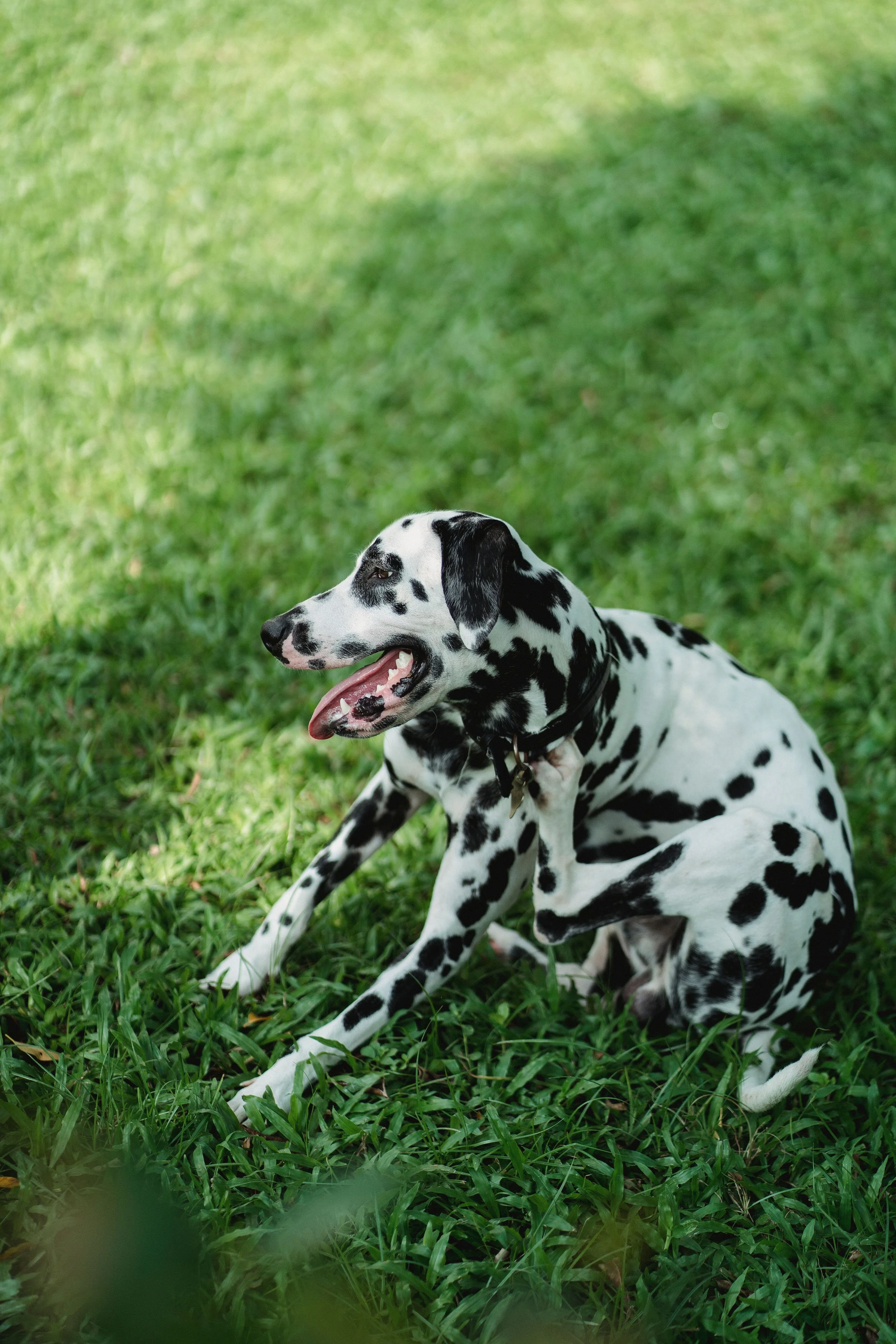
A hot spot is a localized area of inflamed, moist, and often painful skin caused by a self-reinforcing cycle of scratching, licking, and bacterial overgrowth. Itchiness and excessive licking are common symptoms and contributors to hot spot development, and hair loss often accompanies these lesions. Many dogs are affected by these skin conditions, which are frequently triggered by underlying issues such as allergies, ear infections, or poor hygiene care. The skin breaks down under repeated trauma, creating an open wound that bacteria quickly colonize. Skin-related issues overall account for more vet visits than almost any other category of canine health concern.
Why Hot Spots Spread So Fast
Hot spots can develop from previously normal skin in just a few hours. Once a dog begins scratching, licking, or biting at an irritated area, the moisture and broken skin create the exact conditions bacteria need to multiply. The lesion grows outward as the infection spreads, which is why a spot that looks minor in the morning can be significantly larger by evening.
Common Causes of Red, Irritated Skin in Dogs
Red spots don’t always have the same origin, and the underlying cause matters for both treatment and prevention. The most frequent triggers include flea bites or other parasite activity, environmental or food allergies, ear infections, moisture trapped under a dense coat after swimming or bathing, and stress-related scratching. It's important to notice and watch for early signs of irritation, such as swelling, or discharge, as some cases can become infected and may develop into more serious issues if not treated promptly.
If the area becomes infected, veterinary care is essential. Flea control and regular tick checks are also crucial in preventing skin problems. To ensure proper treatment and prevention of recurrence, it's important to determine the underlying cause of your dog's skin condition. According to Nationwide Pet Insurance’s 2024 claims report, atopic or allergic dermatitis was the number one health claim for dogs for the 12th consecutive year, with over 410,500 individual claims filed in 2023, representing 20% of all canine insurance claims.
Does Coat Type or Breed Play a Role?
Yes, and it’s worth knowing whether your dog falls into a higher-risk category. Dogs with long, thick, or double-layered coats are more prone to hot spots because moisture gets trapped close to the skin and doesn’t dry out easily. Breeds like Golden Retrievers, Labrador Retrievers, German Shepherds, and Newfoundlands are particularly susceptible. That said, any dog can develop a red irritated spot, especially in warm, humid weather or after extended time in water. Caring for your dog regularly is an important preventive measure. It helps remove excess moisture and prevent matting, which can lead to hot spots.
For best results, follow these tips: brush your dog frequently, keep their coat clean and dry, and check for any signs of irritation after baths or swimming to maintain coat health and prevent hot spots.
How to Assess the Spot Before Calling Your Vet
Not every red spot requires an emergency visit, but all of them require attention. Gently part the fur around the area and note the size, whether the skin is wet or dry, and observe the appearance—look for redness, inflammation, moisture, raw or raised lesions. Also, check for any odor or discharge, and whether your dog reacts painfully to light touch or shows signs of excessive licking, which can indicate irritation or underlying issues. Monitoring and early intervention can help prevent hot spots from worsening. A spot that is dry, small (under 1 inch), and not spreading may be manageable at home with close monitoring. A spot that is moist, spreading, foul-smelling, or causing your dog visible discomfort warrants a same-day or next-day vet call.
Signs the Spot Needs Immediate Veterinary Care
Some warning signs indicate the irritation has moved beyond surface-level inflammation. Seek prompt veterinary care if the area is actively oozing pus or fluid, if the surrounding skin is swelling or feels warm to the touch, if your dog is in significant pain or won’t let you near the area, or if the spot has doubled in size within 12 to 24 hours. These are indicators of a deeper infection that won’t resolve with at-home care alone, so proper care and monitoring are essential for recovery. The AKC reports that with prompt veterinary intervention and consistent at-home follow-through, most hot spots resolve in 3 to 7 days.
What You Can Do at Home Right Away
The most effective immediate step is preventing further self-trauma, which is essential for recovery. Place a recovery cone or soft collar on your dog to block licking and chewing, which is the primary driver of how hot spots spread. Carefully trim the fur around the spot using clippers rather than scissors, then clean the area gently with a mild antiseptic solution. Some home remedies, such as oatmeal-based shampoos, can help soothe skin irritation and calm inflammation.
For targeted relief, a medicated spray formulated specifically for hot spots, like Houndswell’s Skin Relief Spray, which combines hydrocortisone and pramoxine to reduce inflammation and soothe discomfort at the site, can be a practical part of your at-home care routine. It is also essential to maintain good hygiene, including regular bathing and flea control, to prevent hot spots from developing.
Routine Hygiene Habits That Support Faster Healing
Consistent wellness care plays a measurable role in how quickly skin issues resolve. Making sure your dog’s coat is thoroughly dried after baths or swimming removes the moisture that creates ideal conditions for bacterial growth. Brushing regularly helps you catch new spots early, often before they reach the painful stage. Routine hygiene and bathing are essential for preventing hot spots and maintaining healthy skin. Dogs whose coat and skin health is monitored consistently are more likely to have issues caught within the first 24 hours, which directly improves outcomes.
Identifying and Addressing the Underlying Trigger
Treating the visible spot is only part of the solution. It is essential to determine and address the underlying issue to prevent recurrence. Your vet may recommend allergy testing, a change in diet, a more consistent flea and parasite prevention protocol, or evaluation for ear infections or other recurring irritants.
FAQ
Can I treat a hot spot at home without going to the vet? Minor, dry, and clearly contained spots can sometimes be managed at home with a recovery cone, gentle antiseptic cleaning, and close monitoring every 6 to 8 hours. Any spot that is moist, spreading, oozing, or worsening should be evaluated by a veterinarian promptly.
How long does it take for a red, irritated spot to heal? With early treatment and consistent at-home care, most hot spots resolve within 3 to 7 days. Untreated or undertreated spots can persist for 2 to 3 weeks and are more likely to cause secondary infection or scarring. Red spots are often a sign of a skin condition, and redness is an important symptom to watch for, as it can indicate inflammation or infection.
Is my dog’s red spot contagious to other pets or people? Hot spots themselves are not contagious. However, if the underlying cause is a parasite like fleas or mange mites, those can spread to other animals in the home, so it’s worth ruling that out early with your vet.
Why does my dog keep getting red spots in the same area? Recurring spots in the same location usually point to an unresolved underlying trigger, such as an unmanaged allergy, a chronic ear infection, or a parasite issue. Working with your vet to identify and address that root cause is the most reliable way to reduce recurrence.
Should I use human antiseptic products like hydrogen peroxide on the spot?No. Products like hydrogen peroxide, rubbing alcohol, or iodine can damage the skin and slow healing. Use only veterinarian-recommended or mild pet-safe antiseptic solutions on any open or irritated skin.
Does stress cause red, irritated spots in dogs? Yes. Stress can trigger or intensify scratching and licking, which creates the conditions for hot spots to form. If your dog’s skin issues coincide with changes in routine, environment, or household dynamics, discussing stress management strategies with your vet is worthwhile.
A red, irritated spot on your dog is one of the most common reasons pet parents call their vet, and also one of the most manageable when caught early. Stopping self-trauma immediately, assessing the spot carefully, and getting veterinary guidance when needed gives your dog the best chance at a fast, full recovery. Consistent wellness care, watching for early signs like redness or excessive licking, and taking steps to prevent hot spots such as wellness care, flea control, and managing allergies are the most reliable tools for catching skin issues.