
Too Much Shedding: What Your Dog's Coat Is Telling You
There is no universal number for how much shedding is normal because every dog’s baseline is different. Hair shedding is a natural part of the hair growth cycle and a natural process, where old hair strands fall out to make way for new growth, and it typically does not lead to noticeable thinning. Seasonal changes, particularly in spring and fall, can cause pets to shed their undercoats as they adapt to temperature changes. What matters most is whether your dog’s current shedding pattern is consistent with their personal history, their breed, and the season. When shedding increases noticeably beyond that baseline, changes in texture or distribution, or comes alongside other symptoms, it shifts from a routine coat cycle into a signal worth investigating.
Normal Shedding vs. Shedding That Warrants Attention
Normal shedding follows a predictable rhythm: moderate and steady throughout the year, with heavier volume in early spring and early fall as seasonal coat transitions occur. According to PetMD, the amount of shedding that is normal for any individual dog depends on breed, anatomy, physiology, and genetics, and establishing that baseline early is one of the most useful things a pet parent can do. On average, it is normal to shed between 50 to 100 hairs daily as part of the hair growth cycle, and understanding how much hair is typically lost can help you recognize when the amount of hair shed becomes excessive. Hair shedding is a normal part of the hair growth cycle, where old hairs fall out to make way for new growth, while hair loss occurs when too much hair is lost and new hair does not grow back. A dog who has always shed heavily is not concerning. A dog whose shedding has suddenly increased, shifted location, or changed texture is a different situation.
Why Knowing Your Dog's Baseline Matters
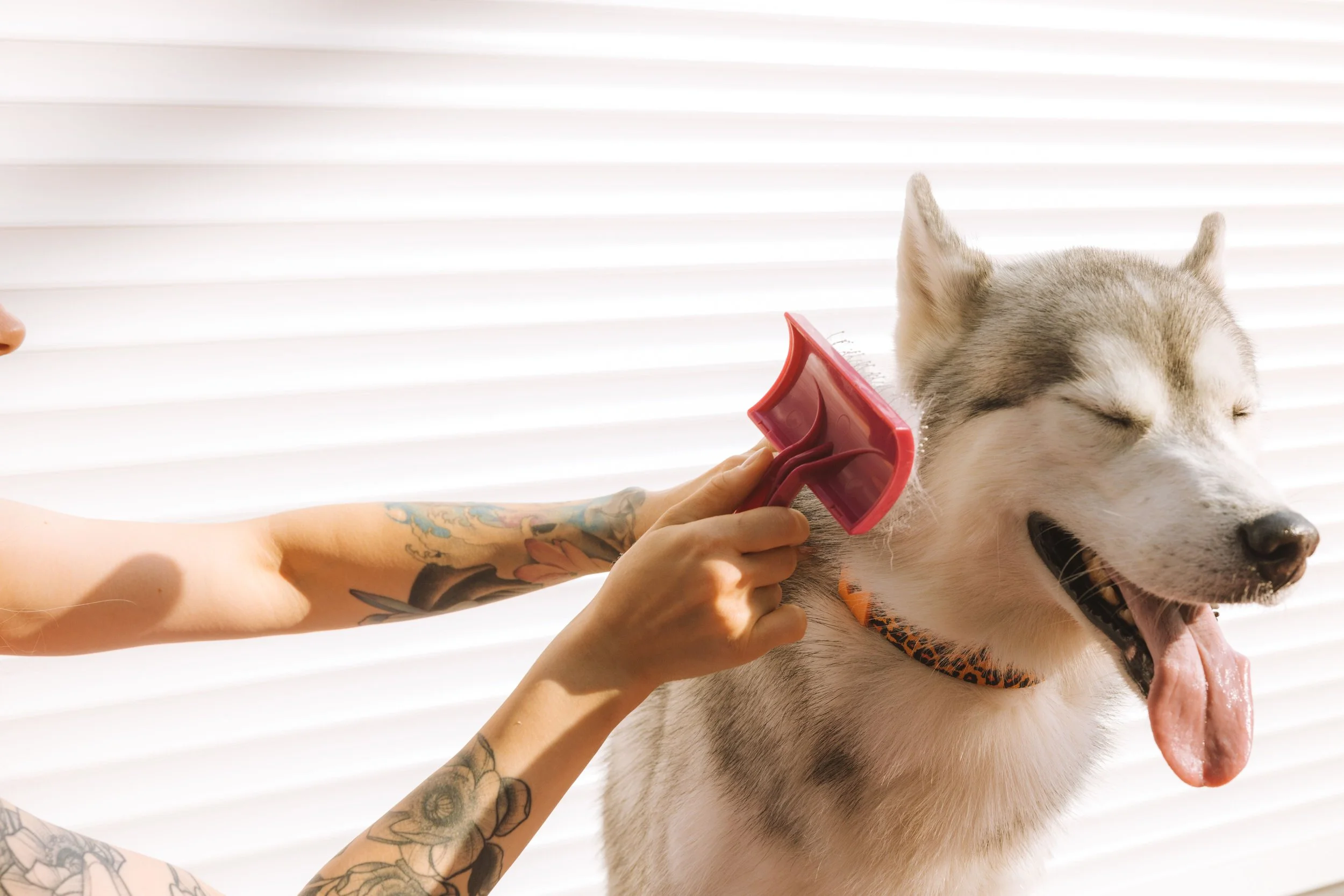
Pet parents who track their dog’s coat from the start are significantly better positioned to detect changes early. Native Pet notes that beginning to monitor shedding patterns while a dog is young makes subtle changes more evident as they age, and that healthy skin and coat characteristics are reliable early indicators of whether shedding is within a normal range. A sudden increase in shedding volume, clumping or thinning in specific areas, dull or brittle hair texture, visible skin beneath the coat, or noticeable thinning of the coat are all signs that something has shifted and should prompt further investigation.
Medical Conditions That Cause Excessive Shedding
Excessive shedding outside of seasonal cycles is one of the more consistent early signals of an underlying health condition. According to the AKC, endocrine disorders such as Cushing’s disease and hypothyroidism, both of which disrupt normal hormone production, are among the most common medical causes of abnormal hair loss or thinning in dogs in breeds including Bulldogs, Dobermans, Greyhounds, and Dachshunds being particularly prone to these conditions. Additional medical triggers include liver or kidney disease, autoimmune diseases, hormonal imbalances (including thyroid disorders), food allergies, skin conditions, and skin infections such as bacterial or fungal infections. Nutritional deficiencies, particularly in protein, iron, biotin, and B12, as well as hormonal changes during pregnancy, menopause, or due to conditions like polycystic ovary syndrome (PCOS), can also be underlying issues that contribute to increased hair shedding. Identifying the root cause or underlying causes of excessive shedding is crucial for effective treatment and restoring hair health.
The Difference Between Hair Loss and Heavy Shedding
Heavy shedding means more fur than usual coming out during brushing, on furniture, or on your clothing, but the coat remains full and the skin is not visible. However, if you notice thinning hair—where the coat appears less dense or you can see more of the skin—this is a sign of concern. Hair loss, also called alopecia, means the coat is thinning in specific areas, bald patches are appearing, or the skin beneath is exposed, discolored, or irritated. Excessive hair shedding may also be indicated if you notice significantly more hair than usual in your brush, on your pillow, or in the shower drain, which could signal an underlying issue. The distinction matters because hair loss in specific patterns is far more likely to indicate a medical cause than generalized heavy shedding. As Wag Walking notes, a dog’s coat should not be thin enough to clearly see the skin and should not have bald patches where it should be thick and full.
How Stress and Anxiety Drive Shedding Changes
Stress is a well-documented and often underestimated driver of sudden shedding increases. Dogs experiencing acute stress; such as a vet visit, a move, or the arrival of a new family member; can experience temporary shedding—a short-term, reversible condition often caused by stress or changes in the household. Pet parents should not worry about brief, mild increases in shedding due to stress, as these are often temporary and resolve once the underlying cause is addressed. Stress can lead to excessive hair shedding by causing the body to release cortisol, which pushes hair follicles into the shedding phase prematurely. Excessive shedding, or telogen effluvium, can occur when a stressor causes a large number of hairs to enter the resting phase at once. Chronic stress or anxiety, including separation anxiety, can produce sustained elevated shedding that does not resolve on its own without addressing the underlying emotional cause.
What Stress-Induced Shedding Looks Like
Stress-driven shedding tends to be diffuse and sudden rather than gradual or patterned. It often spikes during or immediately after a stressful event, and typically resolves within one to two weeks once the trigger is removed or managed. Managing stress is crucial for reducing hair shedding, as high stress levels can increase cortisol, which pushes hair follicles into the shedding phase prematurely. If shedding remains elevated beyond two weeks after a known stressor has passed, or if the dog continues to scratch or bite at their coat, a visit to the veterinarian could be warranted.
Diet, Hydration, and Coat Health
Nutrition is one of the most direct levers pet parents have on their dog’s shedding. According to PetMD, poor diet is the number one reason for excessive shedding in dogs, and feeding a diet that meets the nutritional standards set by the Association of American Feed Control Officials (AAFCO) is the most reliable baseline for supporting coat health. Proper nutrition is essential for maintaining hair health. Nutritional deficiencies, particularly in enough protein, iron, biotin, and B12, can lead to increased hair shedding and weakened hair follicles, so ensuring a balanced diet with adequate nutrients is crucial. Dogs lacking adequate protein and fat, the two primary nutritional building blocks of healthy fur, may shed more frequently and produce coats that are dull, brittle, or slow to regrow after normal shedding cycles. Hydration matters too, as chronic low water intake negatively affects skin barrier function and can accelerate hair loss.
Omega-3s and Coat Support
Omega-3 fatty acids, found in fish oil and certain formulated dog foods, are consistently associated with healthier skin, stronger hair follicles, and reduced inflammatory shedding over time. Omega-3s help promote strong hair and maintain healthy hair by supporting the hair shaft and scalp. This is one of the most accessible and evidence-supported nutritional interventions available for dogs who shed heavily but have no identified medical cause.
Wellness Care Habits That Help Manage Shedding
Consistent routine hygiene is one of the most practical tools for managing shedding volume and catching changes early. Pets should be brushed 2-3 times weekly to remove loose hair and distribute skin oils. Using a brush during routine hygiene care helps pet parents notice excess hair and monitor for signs of too much shedding. Wellness care, such as brushing and bathing, help remove loose hairs before they have a chance to shed onto furniture or clothing. Bathing with a mild, pH-balanced dog shampoo every four to six weeks removes accumulated loose fur and supports a healthy skin barrier without stripping protective oils. Maintaining consistent, year-round flea and tick prevention is also critical for managing shedding in pets.
When to Schedule a Vet Visit Over Shedding
A vet visit is the right call if shedding is significantly heavier than your dog's established baseline and is not explained by season, if you notice bald patches, visible skin, or asymmetrical thinning anywhere on the body, if shedding is paired with increased scratching, skin irritation, changes in weight or energy, or shifts in appetite or temperament, or if the coat does not return to its normal volume within four to six weeks after a known stressor has passed. Earlier evaluation consistently leads to better outcomes, particularly when an endocrine condition or allergy is involved, because these conditions respond more effectively to treatment when caught before they progress.
FAQ
Is it normal for my dog to shed year-round? Yes, for many breeds. Year-round dog shedding is common, particularly in dogs exposed to indoor artificial lighting, which softens the seasonal coat cycle. The key is whether the volume and pattern are consistent with your dog’s personal baseline, not whether shedding is happening at all. However, if you notice your dog is shedding so much more than usual, or if there is excessive hair loss, it may be a sign of an underlying issue.
What does it mean if my dog’s fur is coming out in clumps? Clumping or patchy hair loss is different from general heavy shedding and warrants a vet visit. Excessive hair or shedding so much in clumps can indicate a skin condition, parasites, a hormonal disorder, or an allergic reaction, all of which require diagnosis before treatment.
Can I tell from looking at the fur whether something is wrong? Yes, in part. Healthy shed hair has a consistent texture and sheen. Hair that is brittle, dull, broken at the shaft, or falling out with the root still attached suggests a structural or nutritional problem with the hair follicle itself. Noticing excessive hair in the shower drain or brush can also indicate a problem. These observations are worth sharing with your vet.
How long does it take for a coat to recover after a health issue is treated? It depends on the underlying cause, but most dogs show visible coat improvement within 6 to 12 weeks of starting appropriate treatment for an identified condition. As part of the hair growth cycle, old hairs are shed and replaced by new growth. Endocrine conditions like hypothyroidism often require ongoing management, and coat recovery timeline should be discussed with your vet as part of the treatment plan.
Does breed affect how much shedding is considered excessive? Yes, significantly. Dog shedding varies by breed—German Shepherds, Labrador Retrievers, Siberian Huskies, and other double-coated breeds have a naturally high shedding baseline that would look alarming in a low-shedding breed. Always assess your individual dog’s pattern against their own history and breed norms, not a general standard.
Can I reduce shedding at home without a vet visit? For shedding that is within your dog’s normal range, yes. Regular brushing, appropriate bathing, high-quality nutrition, and consistent hydration are the most effective at-home tools. If shedding has increased beyond your dog’s baseline, changed in pattern, or is accompanied by any other symptoms, a vet visit should come before any at-home intervention.
How is excessive shedding diagnosed? Diagnosis often involves a thorough evaluation of your dog’s scalp and scalp health. A veterinarian will assess the scalp for inflammation, infection, or other conditions that may be causing hair loss, and may recommend further tests to determine the underlying cause.
Can stress cause my dog to shed more? Yes. Stress can push hair follicles into the resting phase of the hair growth cycle, leading to increased shedding. Addressing sources of stress and supporting overall health can help manage this type of shedding.
Shedding is one of the most visible indicators of what is happening with your dog’s overall health. For most dogs, it is entirely manageable with consistent wellness care and a strong nutritional foundation. The goal for pet parents is not to eliminate shedding, but to know their dog’s normal well enough to recognize when something has changed, and to act on that observation early enough to make a real difference.