
Why Indoor Dogs Shed Occasionally: Understanding Seasonal Shedding and What to Do About It
Yes, your indoor dog sheds seasonally and it’s completely normal. Dogs tend to shed more hair during seasonal transitions as they grow thicker, warmer coats for winter and shed their winter undercoats for a lighter summer coat. Even though your dog lives in a climate-controlled home, their body still responds to natural light cues that trigger coat changes twice a year.
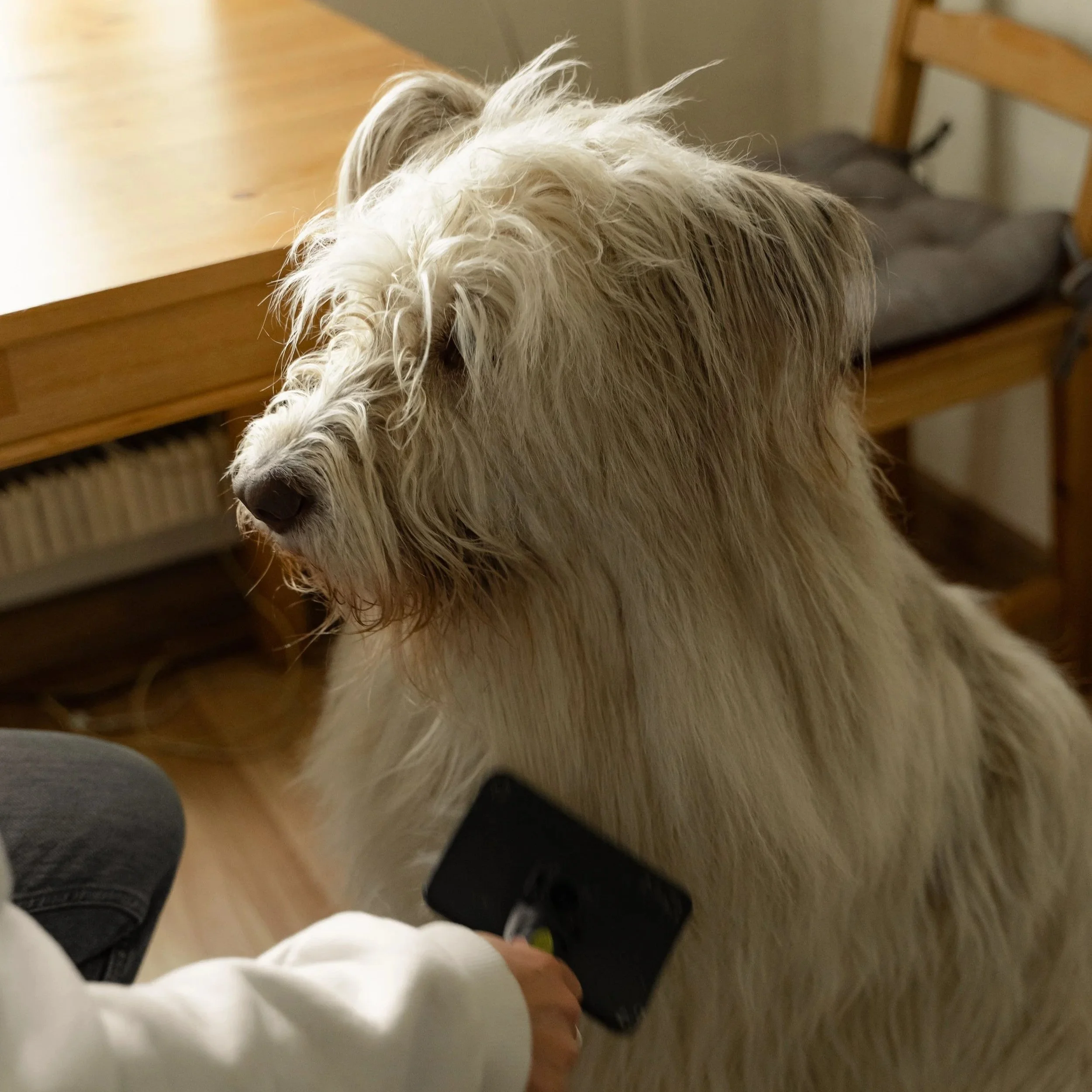
Seasonal shedding in dogs typically during the spring and fall as they adjust their coats to the changing temperatures. That said, indoor life does change how and how much they shed compared to dogs who spend most of their time outside.
Introduction to Dog Shedding
Dog shedding is a natural process that most dogs experience as part of maintaining a healthy coat and skin. Shedding allows dogs to get rid of old or damaged hair, making way for new growth that helps regulate body temperature throughout the year. While a certain amount of shedding is normal and expected, excessive shedding in dogs can sometimes signal underlying health issues or skin problems that need attention. Understanding the causes and patterns of dog shedding can help pet parents distinguish between normal seasonal changes and signs of potential health issues. By learning how to manage shedding in dogs, you can keep your pet’s coat in top condition and minimize the amount of loose hair around your home.
The Real Driver Behind Seasonal Shedding: Photoperiod
Shedding isn’t primarily about temperature, it’s about light. The amount of daylight your dog is exposed to each day, known as photoperiod, is the most powerful biological trigger for coat cycles. As days shorten in autumn, the body produces more melatonin, which signals hair follicles to grow a thicker, warmer coat. In spring, rising prolactin levels prompt the shedding of that heavy undercoat in favor of a lighter one. Double coated dogs and certain dog breeds, such as Labrador Retrievers and German Shepherds, experience more pronounced shedding during these seasonal transitions to prepare for warmer or cooler weather.
How the Hair Growth Cycle Works
A dog’s coat moves through three phases: anagen (active growth), catagen (transition), and telogen (rest and release). Shedding happens when new growth pushes out resting hairs at the end of the cycle. How long each phase lasts depends on breed, overall health, and critically, the time of year. Up to 50% of hair follicles can be in the resting phase during winter, which is why spring shedding often feels sudden and intense. The normal amount of shedding varies among individual dogs and should be evaluated as part of their overall health, as what is normal for one dog may not be for another.
How Indoor Environments Shift Shedding Patterns
Indoor dogs are exposed to artificial lighting and stable indoor temperatures year-round. Stable temperatures from heating and air conditioning remove the need for a thick winter undercoat or a light summer coat in dogs. This constant light exposure disrupts the natural photoperiod signals that would otherwise produce two concentrated shedding seasons. The result is more moderate, continuous shedding spread throughout the year rather than two dramatic coat blows. Dry air from indoor heating systems can dry out a dog's skin, making hair more brittle and prone to falling out. In a health survey by Embark Veterinary, nearly 47% of dog parents reported their dogs shed consistently year-round, a pattern directly linked to artificial light exposure. Sudden environmental changes can also trigger stress shedding due to a release of epinephrine, and this may last a few months as the dog adjusts.
Does Indoor Life Mean Less Shedding Overall?
Not exactly. Indoor dogs don’t shed less, they shed differently. Instead of two intense seasonal surges, the same total amount of dog hair is released more gradually. Monitoring how much dog hair your dog is shedding can help you identify the most common causes of excessive shedding, such as changes in environment, diet, or health issues. Double-coated breeds like German Shepherds, Huskies, and Golden Retrievers may still experience noticeable seasonal peaks even indoors, because their undercoat transitions are more hormonally driven and harder for artificial lighting to fully suppress.
Regular brushing is the most effective tool for managing shedding, as it removes dead hair before it falls on surfaces.
When Shedding Is a Signal Worth Watching
Seasonal shedding is healthy and expected, but some patterns are worth flagging. Shedding paired with bald patches, excessive scratching, skin irritation, or behavioral changes can indicate an underlying health issue. A poor diet is the number one reason for excessive shedding in dogs, as it may lack sufficient protein and nutrients necessary for a healthy skin and coat. Food allergies or intolerances are another common cause of excessive shedding in many dogs, often accompanied by itchy dog's skin and skin infections. The American Animal Hospital Association (AAHA) notes that irregular heavy shedding outside of seasonal cycles may point to parasites, hormonal imbalances, nutritional deficiencies, or chronic stress. Skin parasites, such as fleas and mites, can cause excessive itching and scratch behavior in dogs, leading to increased shedding, skin infections, and potential skin conditions. Excessive shedding in dogs can also be caused by food/environmental allergies or intolerances, which often lead to itchy skin and skin infections. Hormonal imbalances, such as those caused by Cushing's disease or hypothyroidism, are also common causes of excessive shedding and may be accompanied by other symptoms like skin discoloration.
Regular veterinary checkups are important to rule out skin conditions, underlying health conditions, or diseases that may contribute to excessive shedding. If you notice your dog losing fur in clumps or areas that don’t grow back within 4–6 weeks, a vet visit is the right next step.
Stress Is a Shedding Trigger Too
Physical and emotional stress can push multiple hair follicles into the telogen (resting) phase simultaneously, causing them to release at once rather than gradually. This creates sudden, diffuse shedding that can look alarming but is often temporary. Common stress triggers include changes in routine, new environments, separation anxiety, or illness. Sudden environmental changes can trigger stress shedding due to a release of epinephrine. If shedding spikes after a life event, monitoring your dog’s coat over 2–3 weeks often reveals whether it’s resolving on its own. Maintaining routine and caring for your dog regularly can help minimize stress-related shedding.
Practical Wellness Care Habits That Actually Help
You can’t stop shedding, but you can manage it effectively and support a healthier coat in the process. Using a vacuum with a pet hair attachment can help maintain a clean environment by removing hair from furniture and floors. Regular brushing (3–5 times per week for heavy shedders) with an appropriate brush for your dog's coat type removes dead hair before it ends up on your furniture and helps distribute natural skin oils that keep the coat conditioned. Bathing your dog every 4–6 weeks with a gentle, dog-safe, pH-balanced shampoo is essential, as human shampoos can be too harsh and may lead to excessive shedding and skin irritation, while also removing loose fur efficiently without stripping protective oils. Consistent wellness care is one of the most reliable preventative tools a pet parent has during peak shed seasons. Additionally, a diet lacking in essential nutrients, particularly omega-3 and omega-6 fatty acids, can weaken hair follicles and lead to increased fallout.
Nutrition's Role in Coat Health
Nutrition plays a key role in the health of your dog's skin and coat. A coat that sheds excessively or appears dull and brittle often reflects internal health, including dietary factors. Choosing a high-quality protein source in your dog's food supports a healthy coat, as hair is made primarily of keratin, a protein. A diet lacking in essential nutrients, particularly omega-3 and omega-6 fatty acids, can weaken hair follicles and lead to increased fallout. Omega-3 fatty acids, found in fish oil and certain formulated dog foods, support skin barrier function and can reduce inflammatory shedding over time. A healthy dog's coat is less likely to shed excessively. Pet parents who notice coat changes alongside changes in energy, weight, or appetite should flag those together at their next wellness appointment, as they may point to a systemic issue rather than a hygiene one.
Caring for Your Shedding Dog
Regular hygiene is one of the most effective ways to manage dog shedding and prevent excessive hair loss. Using an appropriate brush for your dog’s coat type—whether they are a double coated breed or have a single, shorter coat—helps remove loose hair before it ends up on your floors and furniture. Brushing also distributes natural oils like those found in coconut oil or salmon oil, which nourish the skin and promote healthy hair growth. Bathing your dog with a gentle, dog-safe shampoo can further help remove loose hair and keep the coat clean. For breeds that tend to shed heavily or have double coats, more frequent care is essential to prevent matting and tangling. Routine hygiene sessions also give you the chance to check for skin problems or infections early, so you can treat any issues before they become more serious.
FAQ
Does my indoor dog still need to be on a shedding schedule if they shed year-round? Yes. Consistent brushing and wellness care routines are especially important for year-round shedders, because loose fur can accumulate faster without the natural clearing effect of two defined shed seasons.
Can I reduce how much my dog sheds by changing their diet? Diet won’t eliminate shedding, but it can influence coat quality. Omega-3 supplementation and high-quality protein sources are consistently linked to healthier skin and reduced inflammatory hair loss over time.
Is spring shedding worse than fall shedding? For most dogs, yes. Spring shedding tends to be heavier because dogs are releasing a full winter undercoat. Fall shedding is usually shorter in duration and lighter in volume, though double coated dogs and certain dog breeds like Labrador Retrievers and German Shepherds may experience both seasons intensely.
What’s the difference between normal shedding and hair loss I should be concerned about? Normal shedding is distributed evenly across the body and the coat grows back on schedule. Hair loss worth investigating includes bald patches, asymmetrical thinning, skin changes, or fur that doesn’t regrow within 4–6 weeks.
Can stress cause my dog to shed more indoors? Yes. Acute or chronic stress can push groups of hair follicles into the resting phase at once, producing sudden diffuse shedding. This often resolves within a few weeks once the stressor is addressed.
Do all indoor dogs shed year-round? Not all. Shedding patterns depend on dog breeds, coat type, and how much natural light exposure your dog gets through windows and outdoor time. Double coated dogs tend to shed more, especially during seasonal changes, while single-coated breeds shed less and produce less dander. Breeds with less fur or hair-type coats (like Poodles or Shih Tzus) shed minimally and tend to produce less dander, which is beneficial for people with allergies.
Shedding is one of the most consistent signals your dog’s coat gives you about their overall health. When patterns shift in timing, volume, or coat quality it’s worth paying attention. Regular wellness care, balanced nutrition, and routine vet check-ins are the most effective tools pet parents have to stay ahead of coat health all year long.